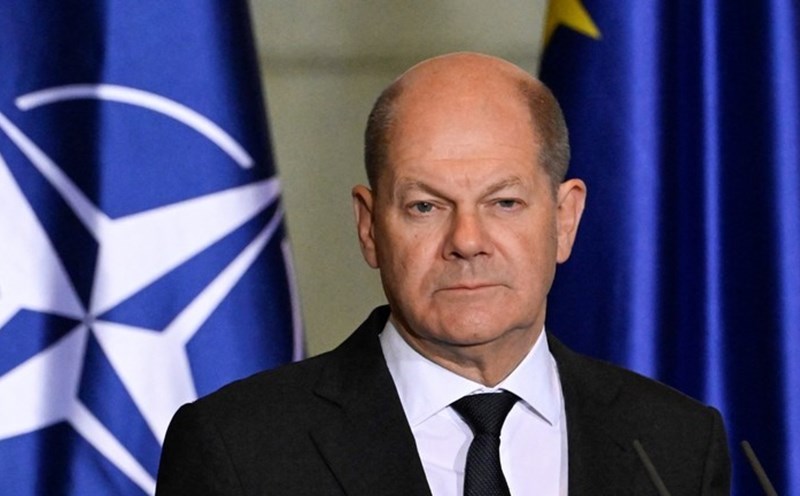
Cảnh sát Đức đang lên kế hoạch cho các vụ bắt giữ mới khi tiếp tục điều tra âm mưu đảo chính của một nhóm cực hữu bị tình nghi lên kế hoạch lật đổ chính phủ ở Berlin bằng vũ lực.
Hơn 130 cuộc khám xét và 25 vụ bắt giữ đã được thực hiện vào ngày 7.12, số nghi phạm trong vụ án hiện đã tăng lên 54 - ông Holger Muench, người đứng đầu Văn phòng Cảnh sát Hình sự Liên bang, nói với đài truyền hình ARD hôm 8.12. Theo ông Muench, con số này có thể tăng hơn nữa khi cuộc điều tra tiếp tục.
Truyền thông đánh giá đây là chiến dịch có quy mô lớn chưa từng thấy của cảnh sát Đức.
Theo chưởng lý chống khủng bố Peter Frank trả lời truyền thông Đức và được AFP trích dẫn, mạng lưới trên được thành lập muộn nhất là vào cuối năm 2021, theo đuổi tư tưởng "Reichsbürger" (Công dân của Đế chế) và được tổ chức như một chính phủ thu nhỏ. Các bước chuẩn bị đảo chính ở giai đoạn hoàn thiện, dù chưa ấn định ngày tấn công vào Quốc hội Đức nhưng "chắc chắn là sẽ hành động".
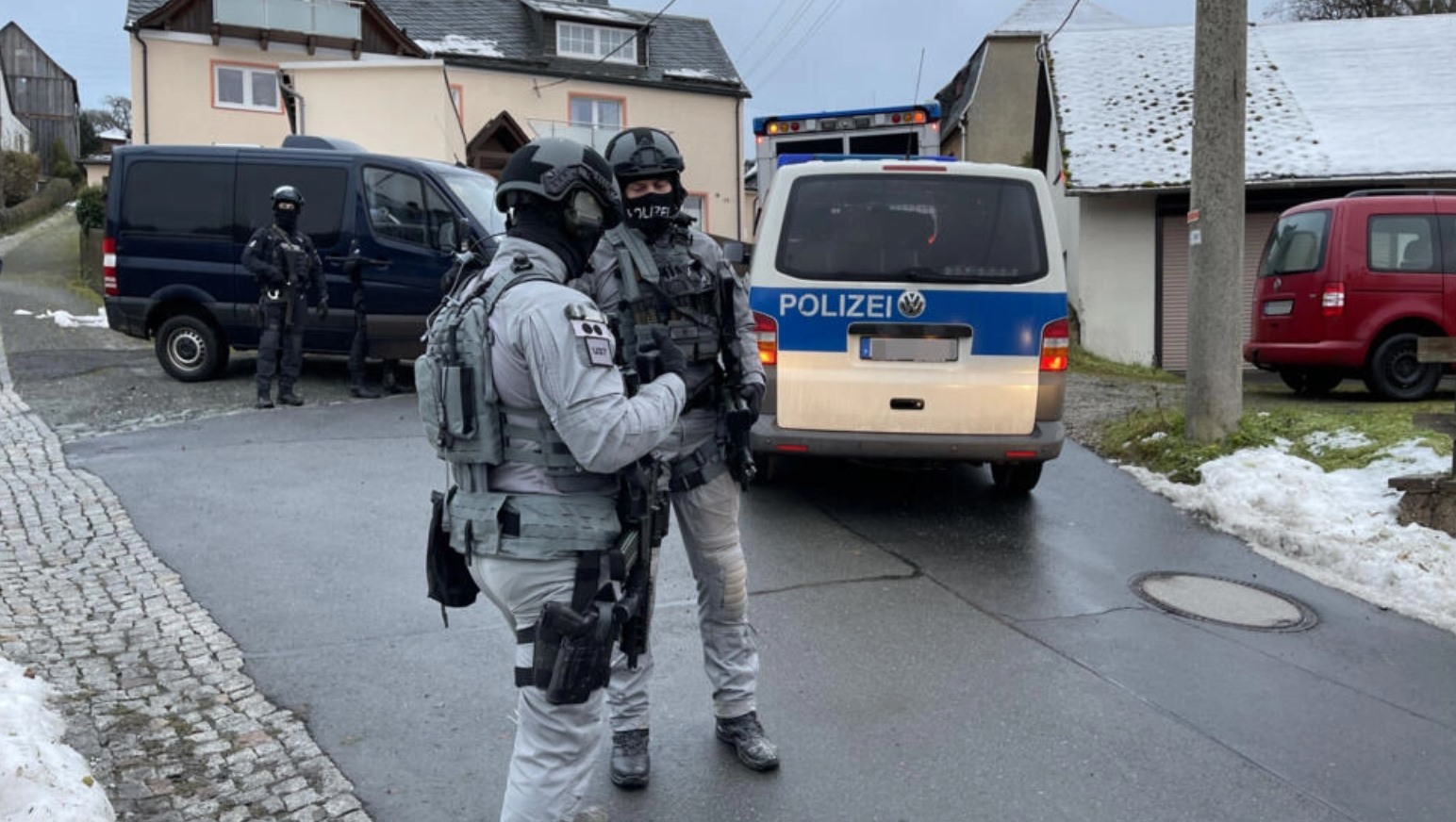
Truyền thông Đức đưa thông tin về một số nhân vật đầu não, gồm người có biệt danh "hoàng tử Heinrich XIII", 71 tuổi, hậu duệ nhà Ruess ở bang Thuringen. Người này hiện là doanh nhân và bị bắt ở Frankfurt.
Một công dân Nga có biệt danh "Vitalia B", được báo chí Đức cho là bạn gái của "hoàng tử Heinrich XIII" và được coi là trung gian để liên lạc với chính quyền Nga nhằm tìm kiếm ủng hộ. Điện Kremlin đã bác bỏ mọi cáo buộc Nga can thiệp trong vụ này.
Tiếp theo là một cựu trung tá, chỉ huy một tiểu đoàn lính dù trong thập niên 1990, và là nhà sáng lập một lực lượng đặc biệt (KSK) của quân đội Đức. Nhiều quân nhân khác tham gia âm mưu đảo chính, trong đó có một người vẫn tại chức và là thành viên của KSK. Ngoài ra còn có một nữ thẩm phán, bà Birgit Malsack-Winkemann, từng là dân biểu của đảng cực hữu AfD.
Ông Muench nói với đài truyền hình ARD: “Các nghi phạm bao gồm những đối tượng nguy hiểm: Những đối tượng đang tuân theo những niềm tin phi lý, một số có rất nhiều tiền, những đối tượng khác sở hữu vũ khí và có kế hoạch tiến hành các cuộc tấn công cũng như mở rộng mạng lưới của chúng”.
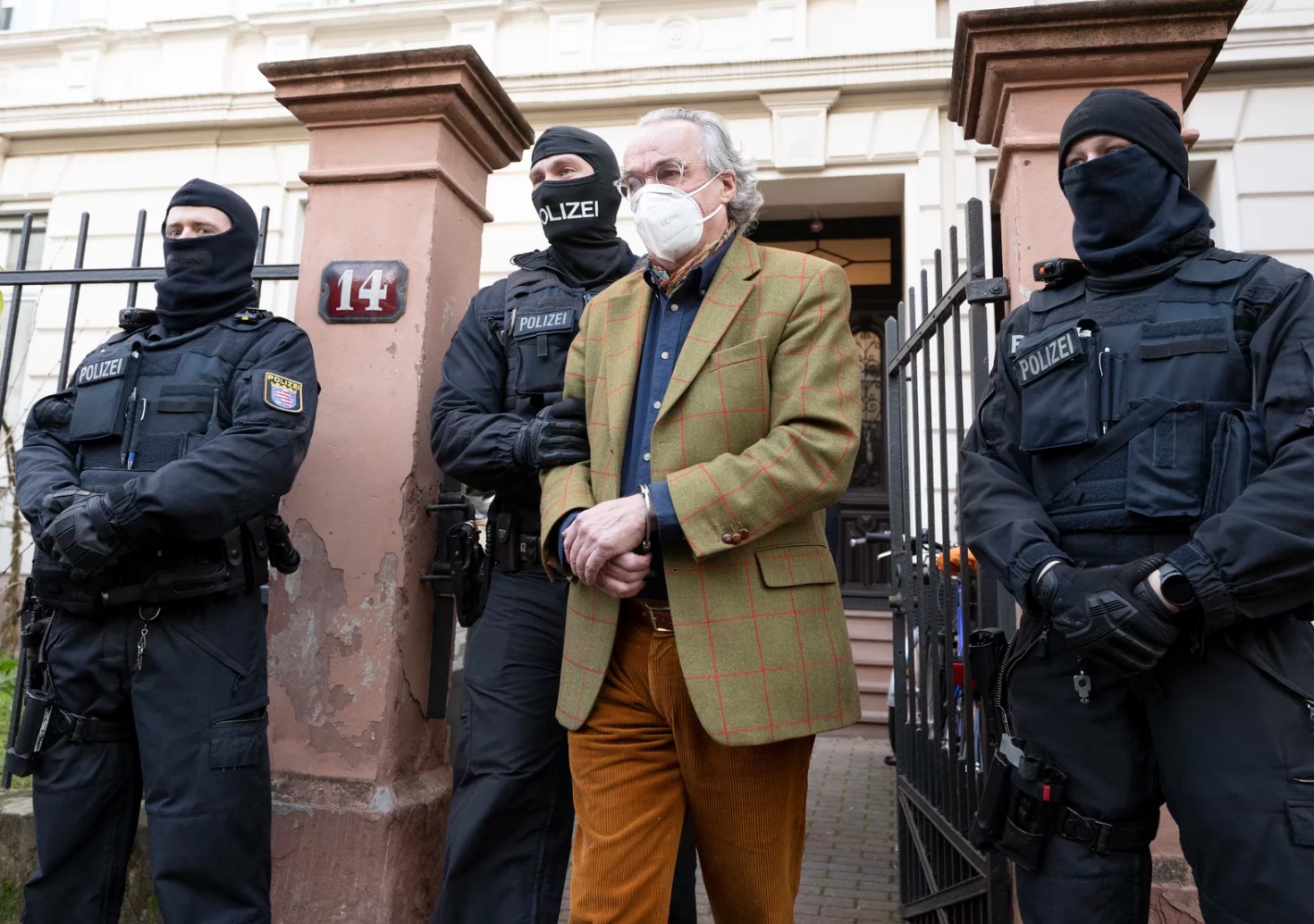
Ngày 8.12, cảnh sát đột kích vào nhà nghỉ săn bắn Waidmannsheil ở bang Thuringia, thuộc sở hữu của nhà Reuss. Các nhà chức trách nghi ngờ nhà nghỉ kiểu tân Gothic thế kỷ 19, trên đỉnh có tháp canh và các trận địa, có thể từng là kho vũ khí và điểm gặp gỡ của những kẻ âm mưu đảo chính.
Một sĩ quan giấu tên nói với Reuters, cảnh sát đã làm việc suốt đêm để tìm bằng chứng về vũ khí và chất nổ.
Phó thị trưởng thị trấn, ông Andree Burkhardt, cho hay, người dân địa phương đã nhận được thư thông báo rằng hộ chiếu của họ do chính quyền hợp pháp của Đức cấp không còn hiệu lực.
"Tất cả công dân của Bad Lobenstein đã nhận được một lá thư vào mùa hè vừa qua. Chúng tôi được thông báo rằng chúng tôi không phải người Đức vì hộ chiếu của chúng tôi không phải là người Đức" - ông Burkhardt giải thích.
"Sau đó, chúng tôi có cơ hội nộp đơn xin giấy tờ gốc Đức của mình với chính quyền Reuss. Điều này tất nhiên đã gây ra sự phản đối kịch liệt trong dân chúng" - ông nói thêm.
Những kẻ bị cáo buộc âm mưu đảo chính dường như đã lên kế hoạch xông vào Quốc hội Đức, bắt các nhà lập pháp làm con tin và nhắm mục tiêu vào cơ sở hạ tầng năng lượng với hy vọng gây ra các cuộc đụng độ giống như nội chiến.
Mặc dù truyền thông nhấn mạnh rằng, mối nguy hiểm đối với nền dân chủ tại Đức là rất ít nhưng không nên đánh giá thấp những vụ việc như trên. Nhật báo thiên tả Taz viết: "Đừng vội yên tâm. Cho đến giờ, xã hội chúng ta vẫn chưa tìm ra được cách đáp trả những xu hướng cực đoan đang xuất hiện. Mối nguy hiểm không biến mất sau chiến dịch hôm qua".
Trong giới chính khách, Bộ trưởng Nội vụ Nancy Faeser nói đến "sự hèn hạ của một mối đe dọa khủng bố". Người phát ngôn của Thủ tướng Đức Olaf Scholz nhắc tới một "nhóm đặc biệt nguy hiểm có mục tiêu hủy hoại nhà nước pháp quyền của Đức".
Ngoài việc lên án, các nhà lãnh đạo hoan nghênh vụ triệt phá âm mưu đảo chính, đồng thời yêu cầu nhiều biện pháp triệt để hơn. Ủy ban Quốc phòng đã đưa vấn đề trên vào chương trình nghị sự, trong khi nhiều thành viên của quân đội cũng tham gia.