The movie "Ngã đích sơn dữ hải" is adapted from the literary work of writer Mao Chun, gathering a cast of talented actors such as Dam Tung Van, Vuong Kim Tung and Luu Vi.
Once expected to attract attention when it aired, but immediately after its release, the film faced many mixed opinions when viewers said that the plot was unreasonable and not convincing enough.
The film tells about the turbulent life journey of Phuong Uyen Chi played by Dam Tung Van. She is a girl born in the 1970s, who grew up in a special situation when she discovered she was abandoned by her biological parents after her adoptive mother passed away.

Successive shocks in life, from the truth about her background to her lover's betrayal, forced her to drop out of school at the age of 20 to go to Shenzhen alone to start a career.
The story follows Phuong Uyen Chi from the hard days working at the dining hall to seizing opportunities in the wave of reforms and opening up of China.
With perseverance and constant effort, she gradually rose up, eventually becoming the CEO of a company. That journey is not only a story of success in her career but also a process of maturity and searching for happiness in love life.
However, despite possessing a richly potential contemporary setting, the film has caused much controversy about how to build the story. "Ngã đích sơn dữ hải" surprises viewers when choosing a rather outdated and tragic storytelling style.
Right from the first episodes, the film has pushed up the drama with unbelievable coincidence details. When Phuong Uyen Chi was only 7 years old, her adoptive mother took her to the countryside to treat people and accidentally met her own biological sister. Such details create a dramatic feeling, but also make the story forced.
The social context in the film is also portrayed quite heavily. The image of women being seen as "reproductive machines", constantly enduring violence and contempt from their families, repeated many times makes the audience feel tired.
Even, there are situations that are destined to the point of being illogical. Once while out, the female lead accidentally meets her biological father and is saved by him. Then, when the foster mother and biological father face each other, the secret buried for many years between the two families is gradually revealed.
It turned out that Phuong Uyen Chi's biological father abandoned her as soon as he knew the gender of the child. Her foster mother was the midwife during childbirth. Because she could not have children, she and her husband decided to raise Phuong Uyen Chi as their own daughter.
However, the way the film handles the story about the female lead's background also makes many viewers confused. After her foster mother passed away, the whole truth was revealed, unintentionally pushing Phuong Uyen Chi into a very hurtful situation.
Although she knew she had been abandoned by her biological parents, she still tried to find them again and finally met a poor family with many burdens. This makes many people question the real motive of the character.
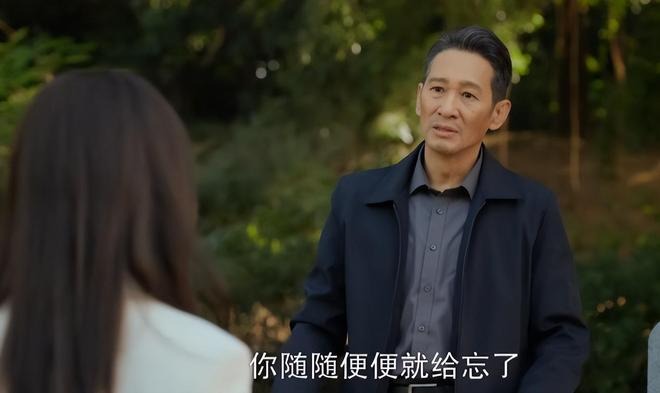
Notably, the relationship between Phuong Uyen Chi and her adoptive father was also built quite negatively. Instead of expressing gratitude, the female lead repeatedly appeared cold and distant to him - the person who raised her from a young age. Even, due to troubles related to her ex-boyfriend, she also caused her adoptive father to almost lose his position as deputy mayor.
Therefore, many opinions believe that the film has focused too much on creating conflict and ignored logic in the development of the story. The female lead character - who should have been built as a model of a strong woman rising from adversity - becomes difficult to empathize in the eyes of the audience. Many people believe that the screenwriter seems to have misunderstood the concept of an independent and resilient female character.
However, with the participation of Dam Tung Van - an actress who is loved for her natural acting ability - "Ngã đích sơn dữ hải" still attracts the attention of viewers. The story of rising up in a turbulent era still has a certain attraction, but the storytelling and character building are probably factors that make the film cause much controversy.