
According to Netflix's new announcement, "Life's Lesson" starring Kim Moo Yeol, Lee Sung Min, Jin Ki Joo and P.O continues to hold the leading position in the rankings of Netflix's best-selling non-English TV shows for the second consecutive week.
In particular, in its second week, the film reached 21.1 million views worldwide, more than 3 times higher than the 6.4 million views recorded in its first week of release.
The film revolves around the Department for the Protection of Educational Rights - a fictional task force of "outlaw punishment" established by the government, aimed at restoring order in classrooms that have been ruined by rebellious students and harmful parents.
According to experts, "Life's Lesson" became a global "phenomenon" because it created strong empathy and a sense of satisfaction for viewers.
Many viewers believe that the content of the film accurately reflects the reality they are experiencing.
On social networks, audiences from many countries have shared their education situation in their countries, both feeling comforted and discouraged when realizing that the problems in the film are exactly the same as what they are facing.
A viewer from England wrote on Reddit: "I thought this was just a simple story about bullies being punished, but the dialogue, characters and sense of justice in the film are extremely close. Even though it's a Korean film, everything in it is perfectly suited to the reality in England".
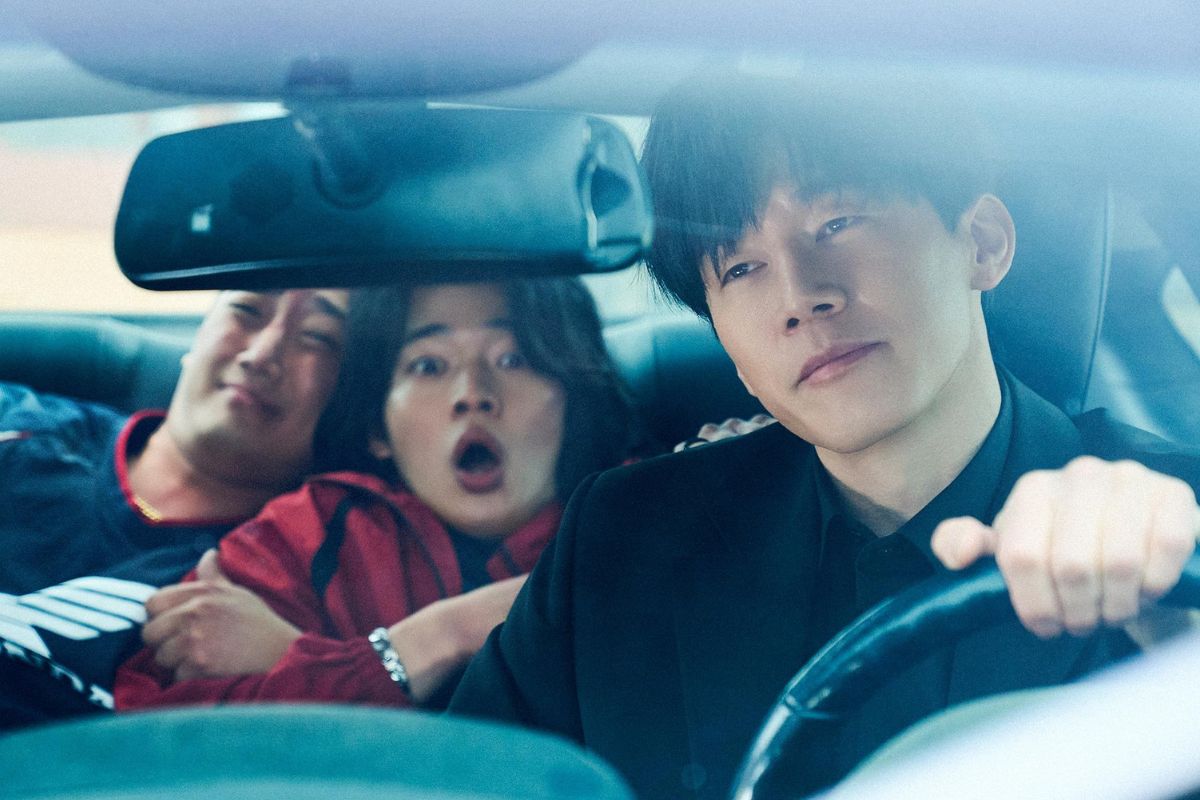
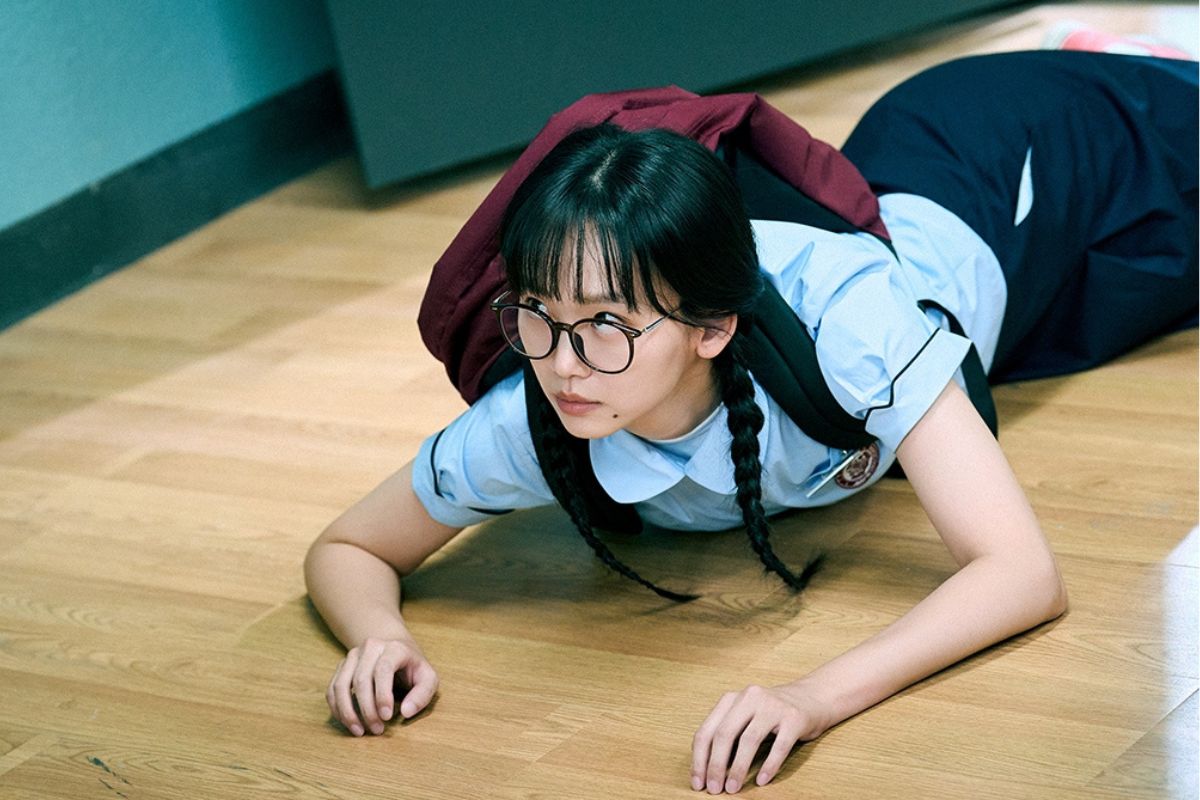
Park Ju Hyoung, a professor at Gyeongin National University of Education, said that the collapse of public education depicted in the film - expressed through students abusing smartphones in classrooms and school violence - has become a global issue.
He said: "In Western countries, where student rights and individual freedoms are emphasized, similar breakdowns have been going on for a long time. That is why international fans react strongly to the way the film solves these problems through an institutional force.
Another part of the audience praised the film as a "pure dose of dopamine".
One viewer commented: "Being able to witness students, parents, and even the school ultimately taking responsibility in a very unusual way makes me extremely satisfied. The film reminds me that education is not just about scores but also about respect, discipline and personality.
Cultural and educational experts believe that audiences should see the film as a work that brings to light the reality of a fractured education system, while promoting society to seek solutions in real life.
Cultural critic Jung Duk Hyun commented: "The fact that the public deeply sympathizes with this fictional story and feels it so new shows how suffocating and disappointing their real life is.
Unlike the real world, where similar education crises are repeated without a solution, the inspectors of the Department of Educational Rights Protection in the film proactively intervene, punish those who cause the problem and, on behalf of the victims, bring a strong relief to the audience.
The critic further analyzed: "If the story only revolves around bad students, it will simply become a school action film or a film denouncing social corruption.
But by building villains with diverse and complex circumstances and issues, the film addresses systemic issues instead of simply justifying the use of violence.
The film has succeeded in multi-dimensionally depicting the educational problems of Korea, and at the same time leaves space for the audience to reflect more deeply".


