
Live fully from the fragments
Going to work in the revolution from the age of fourteen or fifteen, not studying properly, and accustomed to a life of hardship and deprivation in all aspects, many people are known as war correspondents but on peaceful days they have never even touched modern cameras.
To integrate into the new flow, they are forced to rush into a new battle: the battle of learning to read, learning a profession, and fostering professional skills with all the will of a soldier.
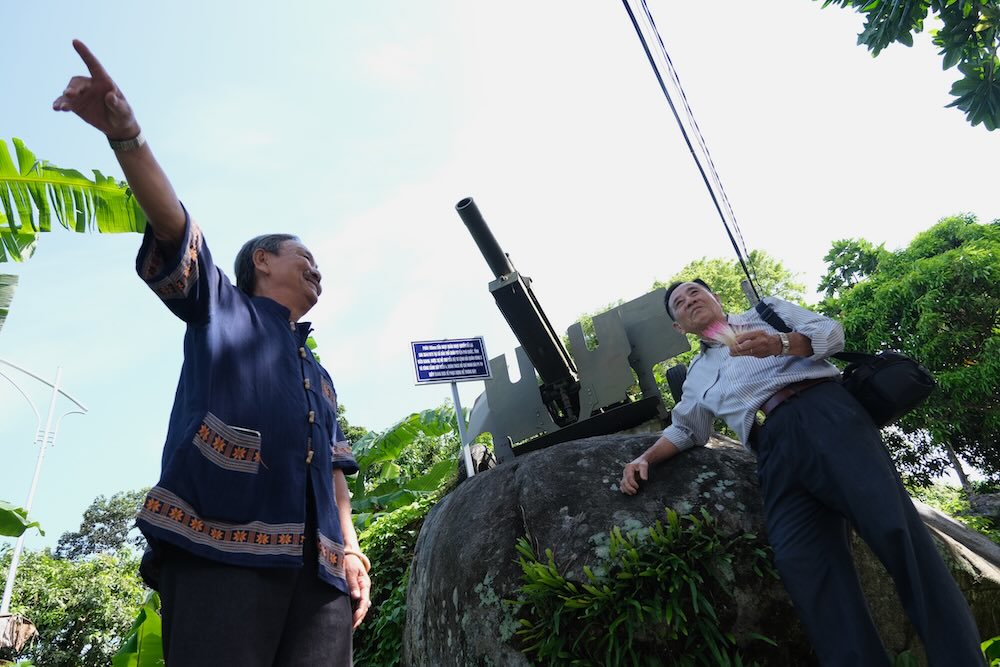
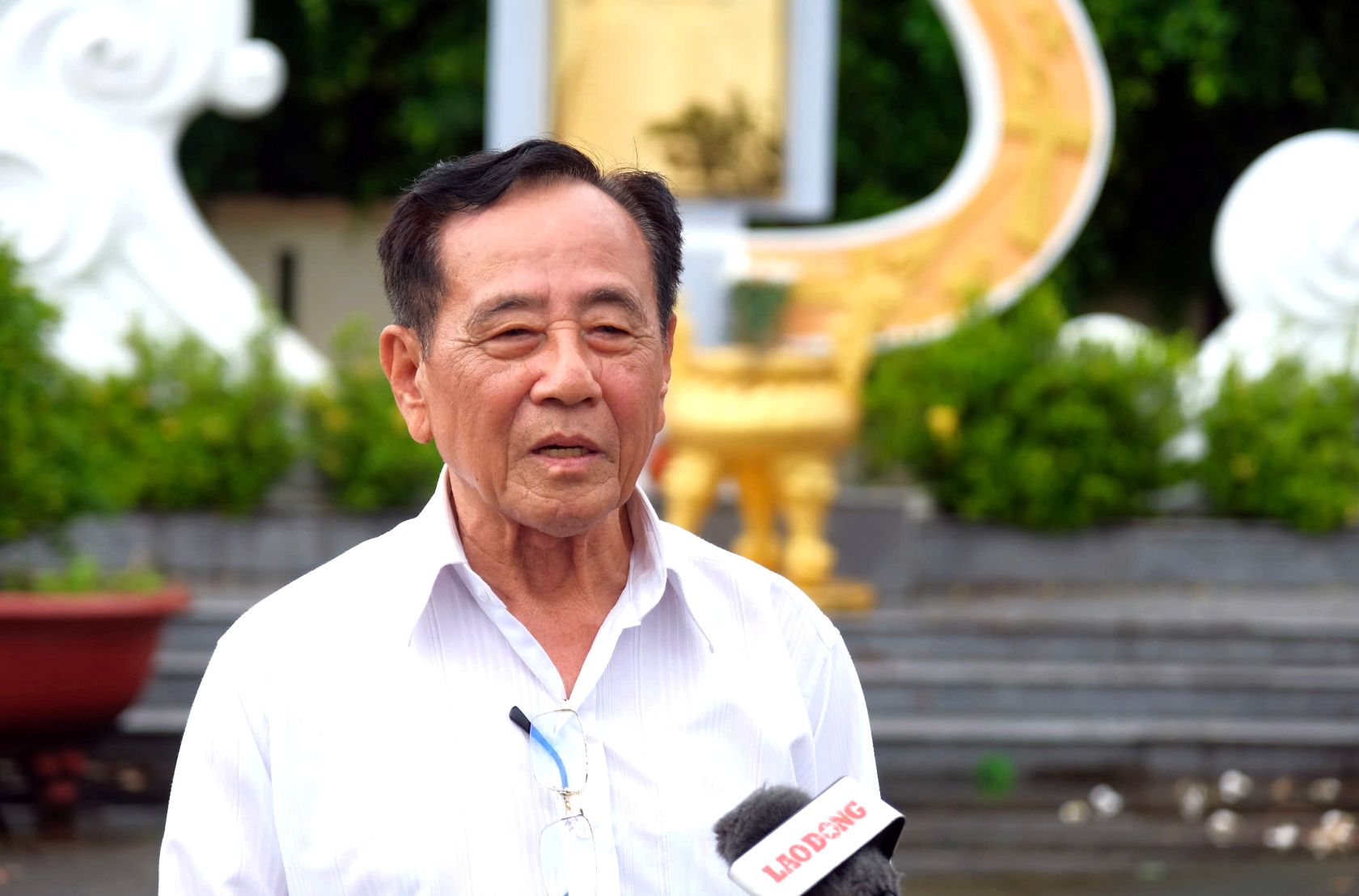
With that spirit, they have affirmed their capacity and successively been trusted with important responsibilities: journalist Truong Thanh Nha became Editor-in-Chief of Kien Giang Newspaper; journalist Nguyen Thanh Ha was Director of Kien Giang Radio and Television Station; journalist Hoang Dung held the position of Vice Chairman of the Dong Thap Provincial Literature and Arts Association; or Mr. Nguyen Dac Hien (Muoi Long) held the position of Standing Deputy Secretary of the Dong Thap Provincial Party Committee...
More preciously, those positions are built entirely with the value of competence, absolutely no place for "protection" or special favors for disability.
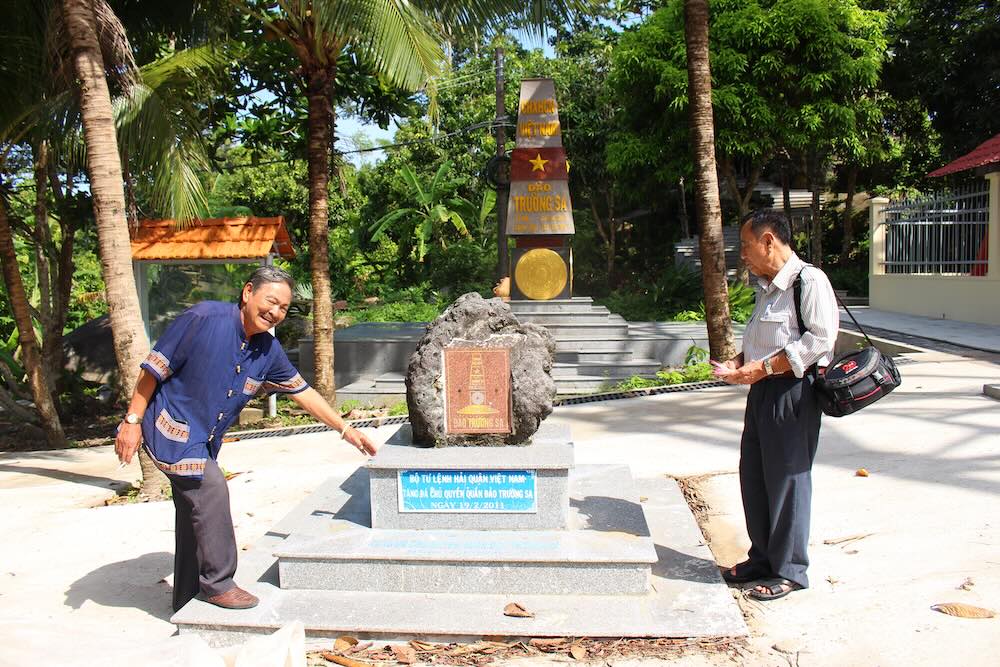
The story of Mr. Muoi Long twice refusing the position of head of the provincial education sector is a testament to his self-respect. Realizing that he had completed the task of reviewing and organizing the post-war school building movement, when being considered by the organization to be promoted to Director of the Department of Education and Training (GDĐT), he frankly refused.
He clearly analyzed his limits and proactively nominated a talented young person, educator Le Vu Hung, for that position. History has proven that Mr. Muoi Long's decision was completely correct. Educator Le Vu Hung not only brought Dong Thap education to break through but also became a core factor of the industry, and was transferred to be Deputy Minister of Education and Training in 1997.
Peacetime cultural architects
Not stopping at overcoming adversity, the wounded journalists of the Southwest region also laid the foundation for many cultural, artistic and historical works that have widespread influence to this day.
On the art and archival fronts, journalist Truong Thanh Nha, from an amateur, diligently taught himself to take photos, reaped a "rain" of international awards and was respected by colleagues as a photography expert on red-crowned cranes.
Not keeping it for himself, he donated all the precious resistance press resources stored to local newspapers in the region to enrich the traditional history page.
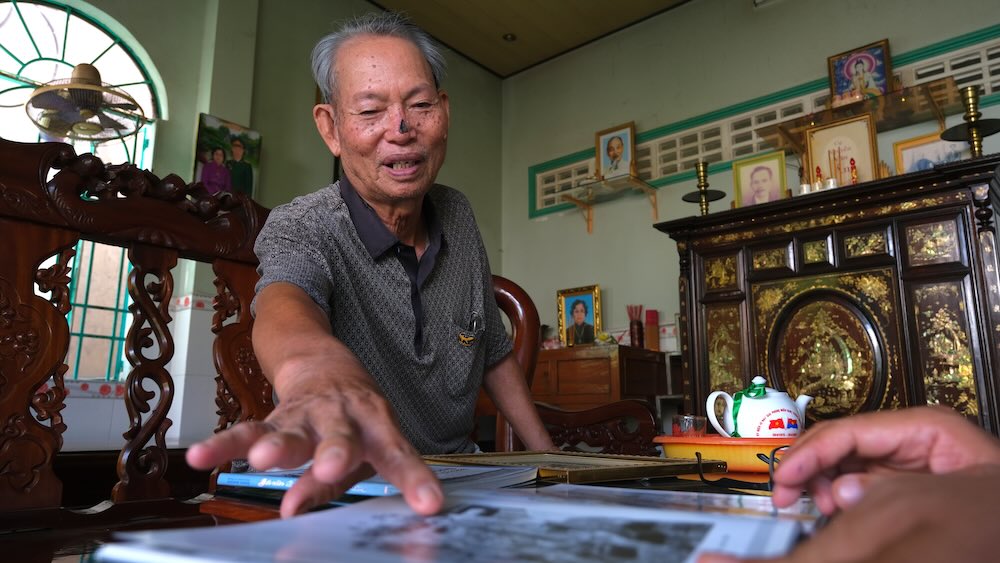
In Dong Thap, journalist Hoang Dung was also the person who laid the first brick that gave birth to the art photography industry of the province, opening training classes, "nurturing" dozens of generations of future photo reporters.
On the front of historical preservation, journalist Nguyen Thanh Ha has devoted all his efforts and squeezed out relationships to build a "one-of-a-kind" war relics display area on the top of Hon Me (Hon Dat district, Kien Giang).
From an initial broadcasting station, he persuaded provincial leaders to keep this place as a point to preserve memories of the bombing era. He painstakingly knocked on the doors of each comrade's house to ask for each keepsake, collecting more than 200 war artifacts (from airplanes, tanks to mortars) and nearly 400 agricultural and wet rice artifacts in the Mekong Delta region. This place has now become a "red address" for spiritual tradition education for the young generation.
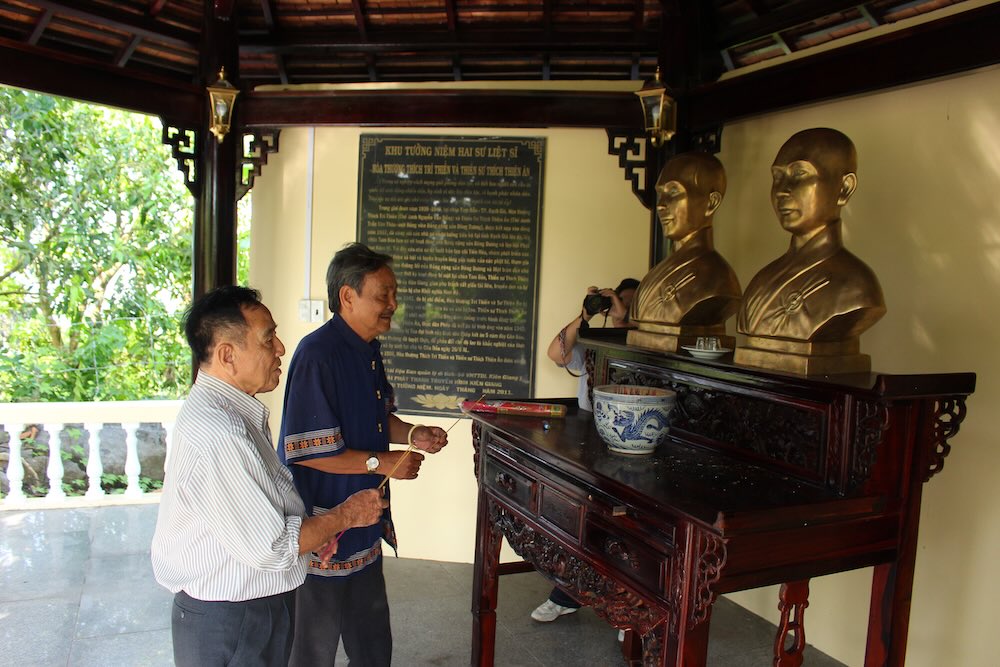
Dedication to service
Meanwhile, Mr. Muoi Long, with the only leg left behind after the bullets, has spectacularly opened up the pages of local history. In 2000, after retiring, he stood up to mobilize the establishment of the Dong Thap Provincial Historical Science Association in the context of "3 no's": no staff, no headquarters, no finances.
Diligently asking for each old table and chair, he has made the Association a typical example of the whole country with massive works such as Dong Thap Geography, Dong Thap Địa Danh Dictionary... and the publication "Dong Thap - Past and Present" regularly published throughout 87 issues.
He was also the one who went on field trips, restoring and embellishing the spacious graves for dozens of famous people who had contributed to opening the country and keeping the land like Mr. and Mrs. Nguyen Tu (Cao Lanh) when the old graves were encroached upon and degraded at the foot of Dinh Trung bridge.
Dedicating their youth and part of their bodies to the cause of national liberation and peace restoration, wounded soldiers journalists continue to promote the spirit of responsibility to do many useful things for today and the future. They are not only'tàn but not phế' people as Uncle Ho taught, but also a bright example for the young generation of cadres to reflect on themselves, cultivate the spirit of dedication to serving the people" - comments by Mr. Phan Van Thang, Standing Deputy Secretary of the Provincial Party Committee, Chairman of the People's Council of Dong Thap province, about journalist Nguyen Dac Hien.
The last witnesses of the generation of resistance journalists in the Southwest region hope to have a memorial work to commemorate and pay tribute to the soldier journalists. A gratitude work not only to look back at the past, but more importantly, it carries the mission of leading the future. The humility of the previous generation unintentionally leaves a vast empty space of memories for the team of young reporters working in peacetime, digital technology, who rarely have the opportunity to touch the "ink mixing blood" period of their fathers and brothers.
Clearly aware of this mission, the An Giang Provincial Journalists Association has proactively "ordered" veteran journalists to compile the book "Rach Gia Provincial Press Portal - Unforgettable Years".
In particular, the An Giang Provincial Party Committee has assigned the Council to advise and select the name of a typical martyr journalist to be named for the Provincial Press Award. That is the way to educate tradition and local journalistic qualities in the most vivid and direct way.


