
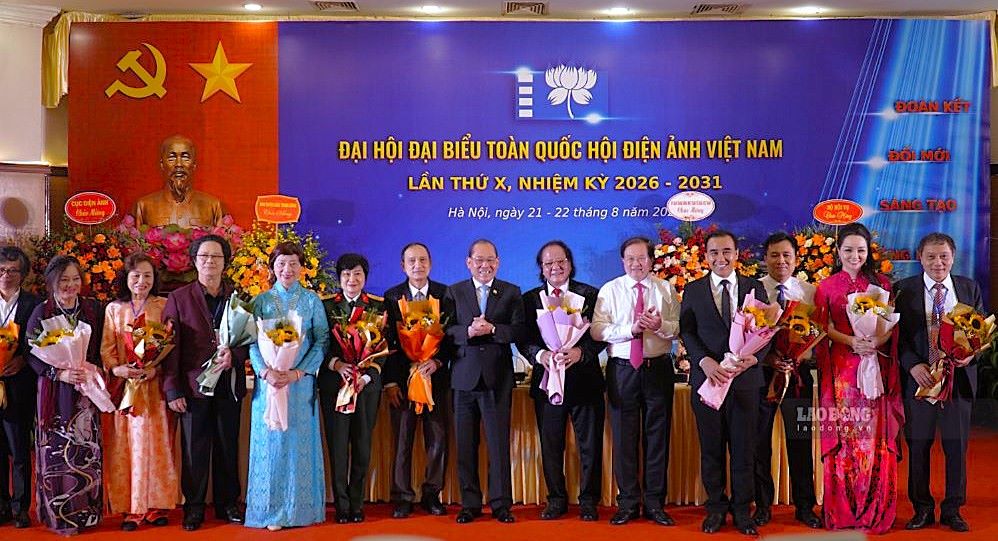
The 10th National Congress of the Vietnam Cinema Association, term 2026-2031, held its official session with the theme "Solidarity - Innovation - Creativity and Contribution" in Hanoi.
Speaking to direct at the Congress, Member of the Party Central Committee, Vice Chairman - Secretary General of the Central Committee of the Vietnam Fatherland Front Ha Thi Nga said that the Association's activities need to have stronger innovations to have a deeper impact on the quality of creation.
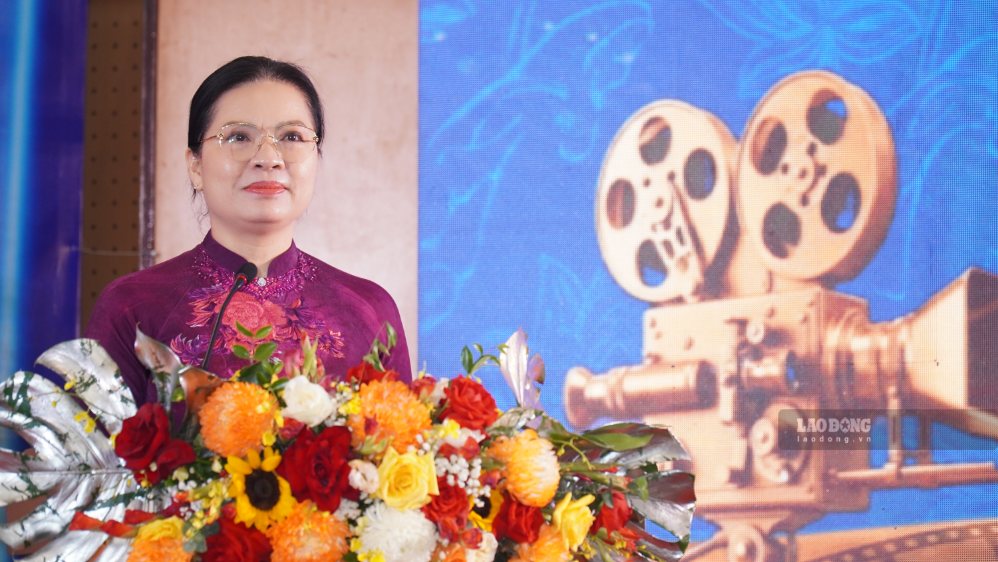
According to Ms. Ha Thi Nga, in the context of increasingly deep international integration, cinema is not only an art field but also an important channel to promote the image of the country, people and culture of Vietnam to the world.
Cinema narrows the gap between countries. To create those values, the role of artists and filmmakers is extremely important," she emphasized.
At the Congress, delegates elected the Executive Committee of the Vietnam Cinema Association for the term 2026-2031, consisting of 15 members.
Speaking at the congress, Assoc. Prof. Dr. Do Lenh Hung Tu emphasized the spirit of solidarity, innovation, creativity and dedication, towards building an increasingly effective Association organization, accompanying the team of filmmakers in the new period.
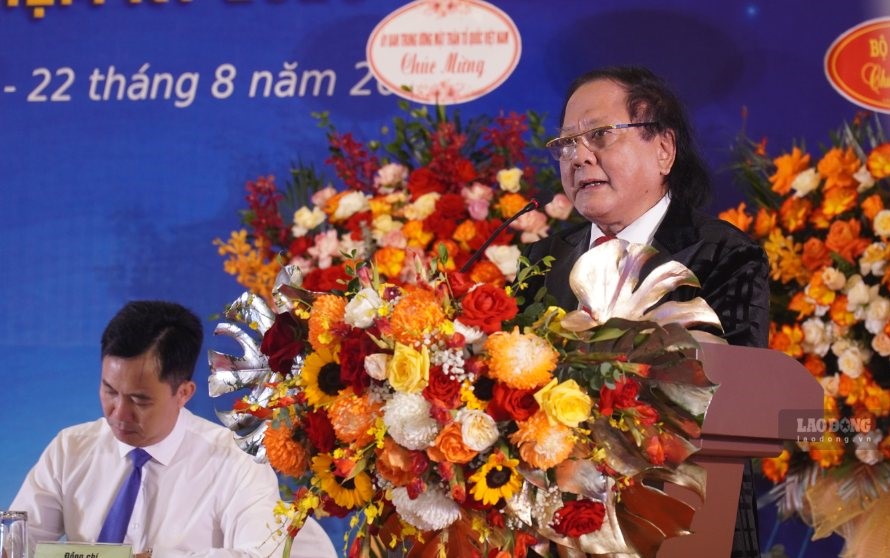
In the 2026-2031 term, the Vietnam Cinema Association determines to continue to innovate its operating methods, focusing on grassroots levels and taking members as the center.
One of the tasks set out is to develop members, focusing on young forces, freelance filmmakers and teams working at non-state film institutions.
The Association also aims to enhance the role of advising, policy criticism and social supervision; promote the strengths of cinema and television in promoting Vietnamese culture, history, country and people.
According to the orientation at the Congress, cinema is facing a new development space when culture is associated with science, technology, innovation and digital transformation.
These are also areas that require the Association to have a more substantive approach in the next term. Digital transformation, foreign affairs activities, copyright protection and mobilization of social resources for cinema are identified as issues that need to continue to be concerned about.
In the context of the increasingly expanding film market, improving the quality of works is not only meaningful in terms of art but also contributes to increasing the value of cinema in the process of developing the cultural industry.
The 2026-2031 term is expected to create more changes in the quality of creation, human resource development, technology application and expand the presence of Vietnamese cinema in cultural life as well as the international market.


