
From a few minutes of entertainment to an endless habit
At 10:30 PM, Quynh Trang (19 years old, Hanoi) turned off her computer after a day of studying. The young girl told herself to only watch a few videos before going to bed. A short film about the mother-in-law - daughter-in-law conflict appeared, then adultery, jealousy, revenge. After this video, another video immediately followed.
“I often think I'll stop after watching this video, but every time a video ends, I want to know what the next part is like,” Quynh Trang recounted.
Initially, she only watched for about 30 minutes each night. Then, the time stretched to one or two hours without realizing it. The phone gradually appeared in every free space. One day Quynh Trang told herself not to use Faceook Reel, Tiktok because she found herself using too much, but a few days later she reused it.
It is worth mentioning that she was not really looking for a specific content. Just opening the application, the video stream automatically continued.
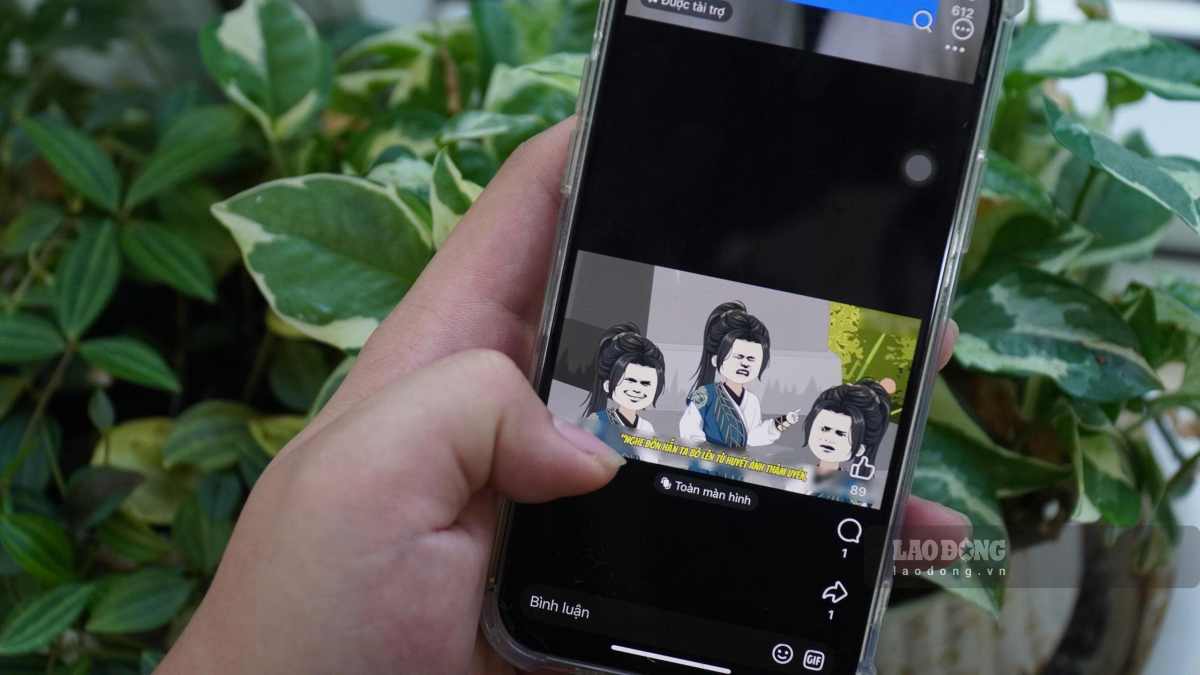
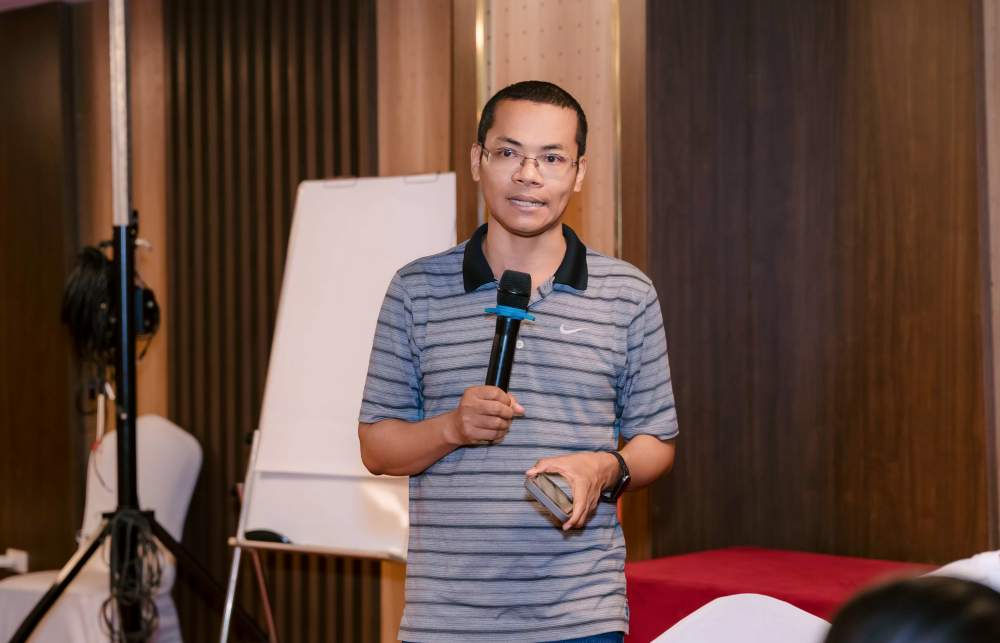
According to social media expert Nguyen Ngoc Long, the appeal of short videos and dramas on social networks lies in the ability to hit very quick emotional reactions of people.
People watch this short video without thinking. It directly hits the most instinctive and easy-going emotions of the crowd: curiosity, anger and finally the feeling of glee," Mr. Long analyzed.
An unfinished story that makes viewers want to know what happens next. Conflict makes them angry instead of the character. When bad guys pay the price, viewers feel satisfied. That series of emotions is repeated in dozens of consecutive videos.
Children addicted to eating snacks, even though they know it's not good for their health, adults are also'addicted' to watching dramas online just like that," Mr. Long joked.
Drops of ink" dripping into the mind
According to experts, part of the power of short videos comes from algorithms. The platform does not need to know whether the user is watching good or bad content; the system mainly observes behavior to predict which content is likely to retain them.
The algorithm only measures by the user's'taste': the time you stop to watch videos, the number of times you like, share, or type comments, even if it's abusive comments," Mr. Long said.
When a video of jealousy or family conflict causes users to stop, argue, or watch until the end, the algorithm recognizes it as a positive signal and continues to distribute similar content.
From here, a loop forms: drama creates controversy, controversy creates interaction, and interaction helps drama be distributed more widely.
More worryingly, many contents are in the "gray zone": not yet to the point of violating the law but densely packed with negative behaviors, curses, schemes, and revenge.
What's scary is not a single scolding clip. What's scary is that viewers are exposed to that motif every day, repeatedly, to the point of considering those revenge and toxic calculations as normal," Mr. Long said.
According to experts, for young people, this process can change the way they see relationships and how conflicts are resolved.
When a child or teenager constantly watches content of mother-in-law - daughter-in-law cursing, colleagues harming, husband and wife trapping each other, the brain will set a new frame of reference. They may think that the adult world operates by tricks and eliminates each other," he analyzed.
Not only behavior, experts also warn about changes in aesthetics when the more sensational the content, the easier it is to attract attention.
Young people who consume this content for a long time will lose the ability to appreciate deep beauty. The boundary between personality and ignorance, between humor and ridiculousness is completely blurred," Mr. Long assessed.
However, Mr. Long also emphasized that not every short video is toxic. What needs to be done is to promote positive videos and filter out and handle videos with bad, toxic, and negative content that affects viewers' psychology.
According to Mr. Long, the handling cannot just stop at removing each video. When the motivation to make money from views still exists, content may continue to appear under new accounts.
Running after removing each video, locking each channel with technical measures is a hopeless chase," he said.
Besides the responsibility of the platform and creators, users also need to change the way they interact with content. Because each view, comment or argument can become a signal to help content continue to be distributed.
The biggest power of network users is not to join in cursing in the comment section, but to ignore it, to press the'Report' button and swipe through quickly," Mr. Long emphasized.
Experts believe that in a stream of videos without a stopping point, browsing through toxic content seems like a very small action. But when millions of people choose not to support that content, the behavior of the crowd itself can become an important part to reshape the digital cultural environment.


