
Untie" prejudice against vocational training
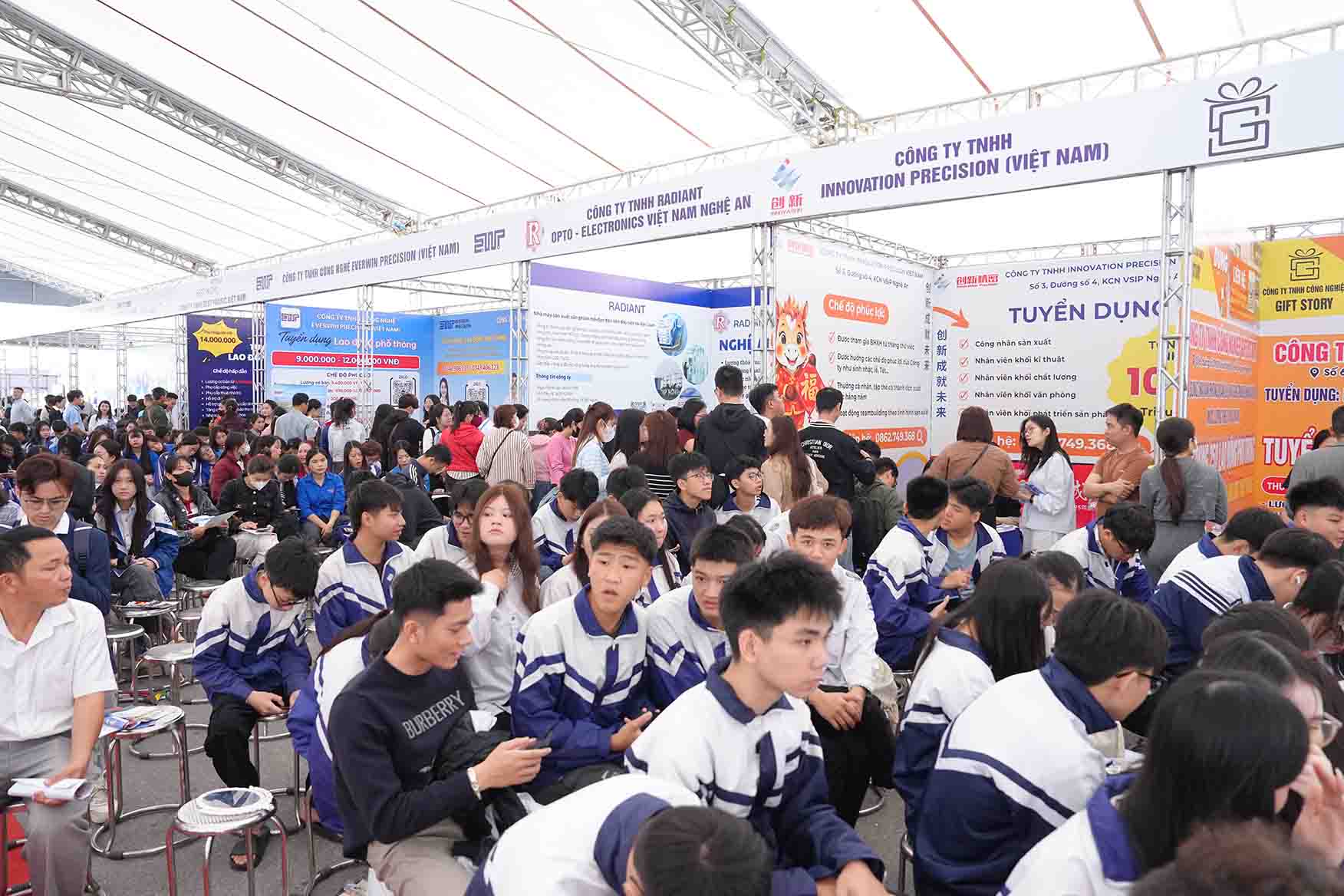
The younger generation is entering the labor market with a more realistic mindset. No longer considering vocational training as a "secondary" choice, many high school graduates actively turn to engineering, mechanics, welding, electricity, garment... to have a profession in hand.
Teacher Truong Van Hung - Secretary of the Youth Union of Vietnam - Korea Industrial Technical College said that for about 2 years now, students have contacted career counseling with very specific questions about job positions, income, development opportunities and the ability to work after graduation.
Students no longer choose careers based on feelings. Many students calculate very carefully about learning costs, training time and income efficiency later. That is a very encouraging change" - Mr. Hung shared.
From the reality of counseling, teacher Hung mentioned the case of Ho Anh Quan, born in 2002, from Quynh Luu commune. Although his family has conditions and wants his child to go to university, Quan is still determined to study welding technology. After graduating with honors, Quan is currently working in Korea with a high income.
Similarly, Nguyen Hoang Huu Tai, born in 2006, from Duc Chau commune, chose to study mechanical engineering after graduating from high school. Tai said that going to university takes a lot of time and costs, while industrial parks are lacking technical labor.
I want to have a job in hand first. If I have the conditions, I will continue studying, otherwise I still have skills to work, especially when industrial parks in Nghe An are expanding" - Tai said.
Choose real value from skills
Not only new graduates, but many young workers who have gone to work also clearly recognize the value of vocational skills. Le Khac Hieu, born in 2003, from Nghia Tho commune, currently works at AMECC GT Joint Stock Company - Hai Phong. Although he is a new worker, Hieu has an initial income of about 30 million VND/month thanks to good skills and many technical certificates.
According to Hieu, businesses do not pay salaries based only on degrees or certificates, but the most important thing is the quality of skills, ability to adapt to technology and the spirit of learning.

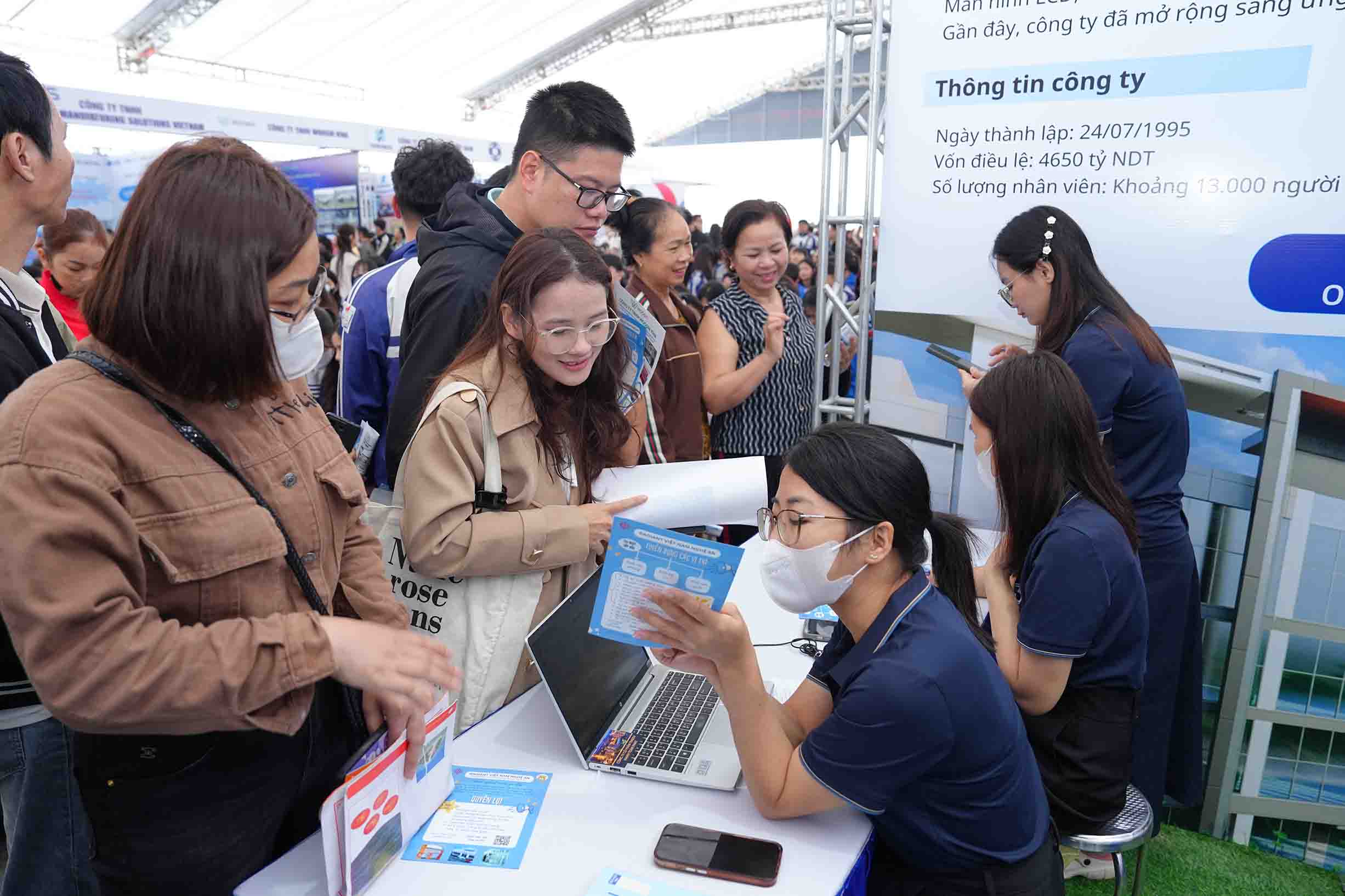
From a business perspective, Ms. Nguyen Thu Trang, an official of Everwin Precision Vietnam Technology Co., Ltd., believes that the trend of vocational training is understandable. A skilled technician can completely have a higher income than an office worker.
Reality at many businesses shows that the demand for recruiting office workers is not as large as the demand for skilled technical workers. Young people choose to learn a trade, so not only to have a job, but also to accumulate skills, expand startup opportunities or work in the international market.
This trend is not only happening in Vietnam. In the US, the number of students registering for vocational training is increasing sharply. In Korea, young people under 30 years old studying technical certificates such as carpentry, electricity, water... are also increasing.
From personal choice, the fact that young people prioritize vocational training is reflecting a major shift in the labor market: degrees are no longer the only guarantee, while practical skills and practical working capacity are increasingly becoming an important "ticket" for starting a career.


