
Unprecedented events in showbiz are happening, dragging artists into a "storm" of being questioned by public opinion and audiences.
Series of artists "livestream", self-test to prove their innocence
After a series of shocking public affairs, many artists have been continuously detained and investigated for illegal drug use, and audiences are showing an unprecedented attitude towards the entertainment industry.
On social networking platforms, accounts flooded into personal pages with the artist's green marks to "interrogate", question, and even ask artists to take tests and publicly announce results, positive or negative for drugs.
At its peak on May 22, after Long Nhat, Son Ngoc Minh (formerly Miu Le, Huu Tin, Chi Dan, Andrea Aybar, designer Cong Tri) were arrested and investigated for illegal drug use, "waiting for news" of artists being arrested suddenly became a strong trend on social networking platforms.
A series of artist names were put into questioning. Just overnight, names like Quan A.P, Ngoc Son, Miss Nguyen Cao Ky Duyen, Duy Manh... suddenly became keywords searched for rampantly.
Typically, Quan A.P, according to statistics from Google Trends, the search volume for this male singer increased sharply by 300%, with more than 100,000 queries in 24 hours, especially increasing sharply on the morning of May 22. A series of posts implying that this male singer will be the "next character"... At noon on May 22, under public pressure, Quan A.P had to post photos to "story" mode to affirm that he was still... stable.
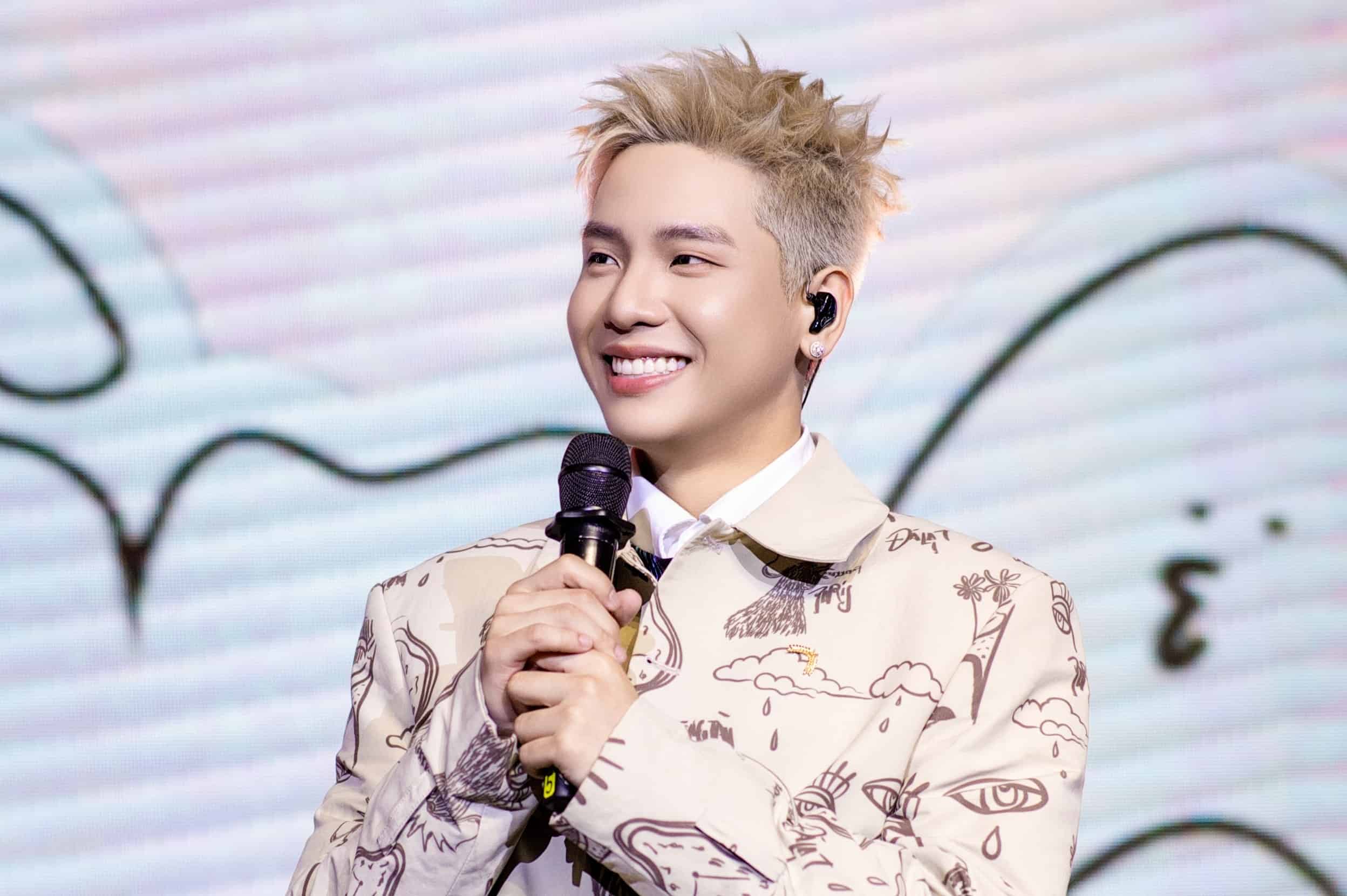
A series of artists also took turns posting photos. In the afternoon of May 22, singer Ngoc Son directly livestreamed the process of him voluntarily going to the police agency to ask for tests to prove that he was "negative" to drugs.
On the morning of May 23, the "trend" of artists proving their innocence continued on social media platforms. Former singer and musician Duy Manh also self-tested and "showed" negative results to the audience.
Benefits from fame must go hand in hand with responsibility for fame
Media experts assess that the series of artists involved in legal trouble has created suspicion from the public towards the entire showbiz world.
Reactions from the audience show that tightening management of artists' lives and private lives is necessary when the cultural industry develops. The performing arts market and the film market are strongly affected by artists' private life scandals.
Talking to Lao Dong reporters about the responsibility of artists to their reputation, Lawyer Hoang Ha (Ho Chi Minh City Bar Association) said: "Artists have the right to freedom of creativity and privacy, but when they use personal images to sell tickets, receive advertising, represent brands, appear in movies, gameshows, concerts and have a great influence on young people, then professional ethics is no longer a completely private matter.
According to the lawyer, tightening the privacy of artists is necessary. “However, in my opinion, tightening the management of artists should not be understood in the sense of administrativizing privacy or establishing a rigid control mechanism for each statement, each personal relationship of artists. The right way to do it is to manage professional responsibility.
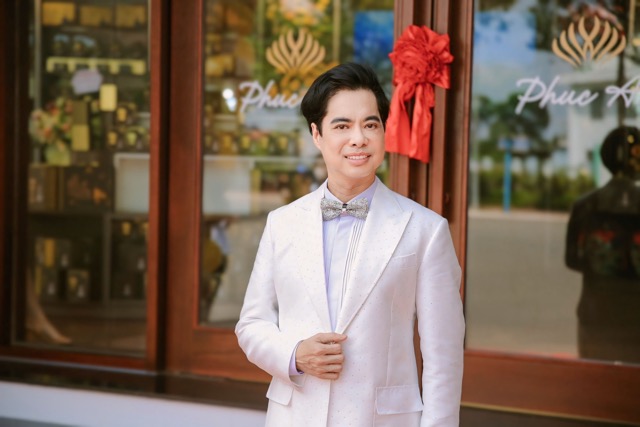
The code of conduct for art practitioners already exists, but the issue is to bring that code into real professional life. Management levels and the public must not only stop at calling on artists to "preserve their image" in general, but must clearly identify with artists unacceptable acts such as: drug use, violence, fraud, false advertising, public speaking that offends the community, encouraging a lifestyle that deviates from standards, evading legal obligations or taking advantage of fame to make illegal profits" - Lawyer Hoang Ha gave his opinion.
Management agencies should not only intervene after scandals. It is necessary to increase the role of guiding, reminding, and inspecting performance activities, advertising, and film distribution, especially for products that have a major impact on teenagers.
According to the lawyer, management must be based on criteria of publicity, transparency, legal basis, avoiding subjectivity and avoiding turning public opinion into a tool to punish against the law.
Artists who violate the law are handled by the law. Artists who have not violated to the extent of being handled but have acts that seriously harm the public will have reactions from the market, contracts, professional rules and audiences.
A cultural industry that wants to develop sustainably cannot just rely on talent and fame.
The industry needs to operate and manage "human resources" based on standards, tight contracts and decent professional awareness.


