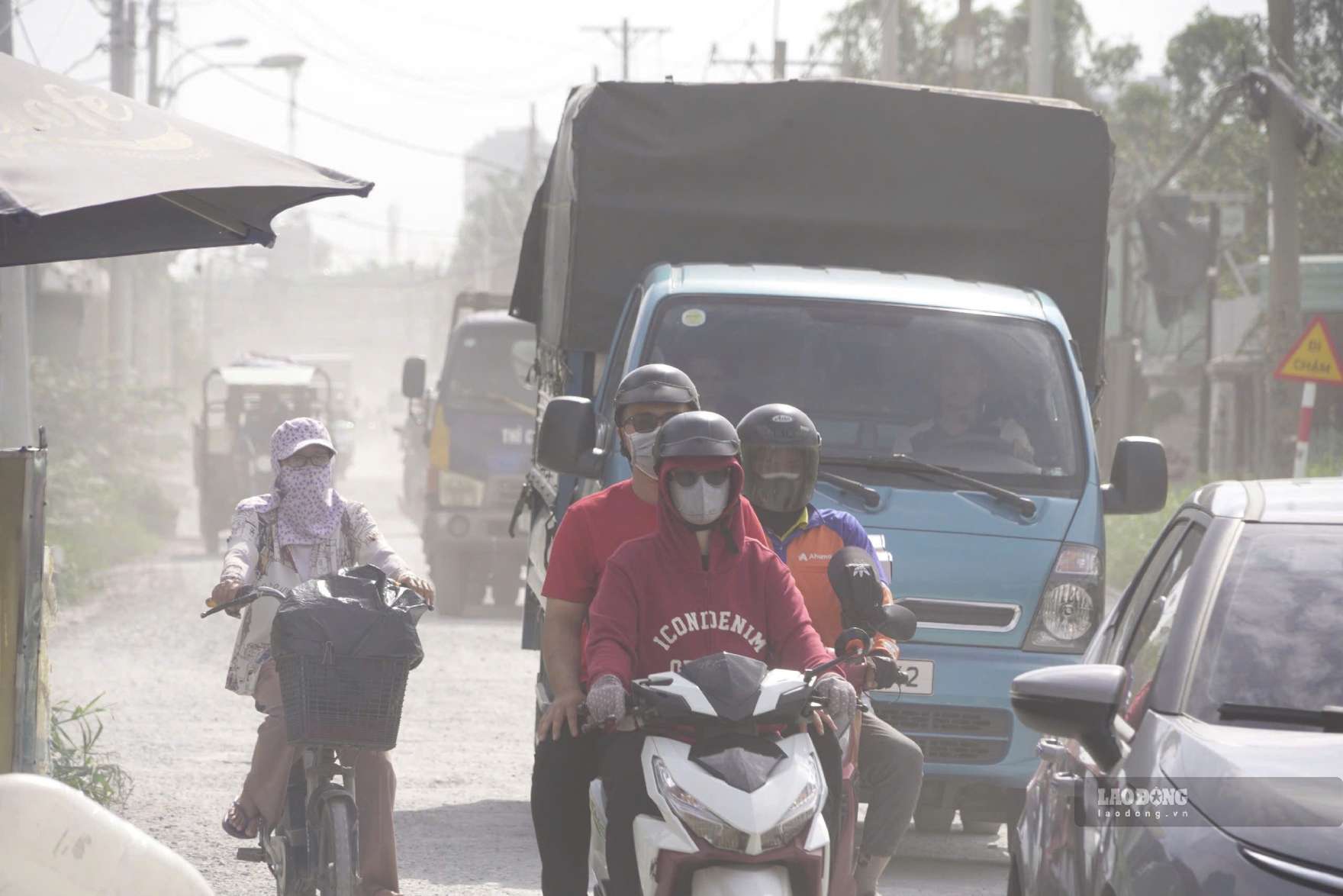
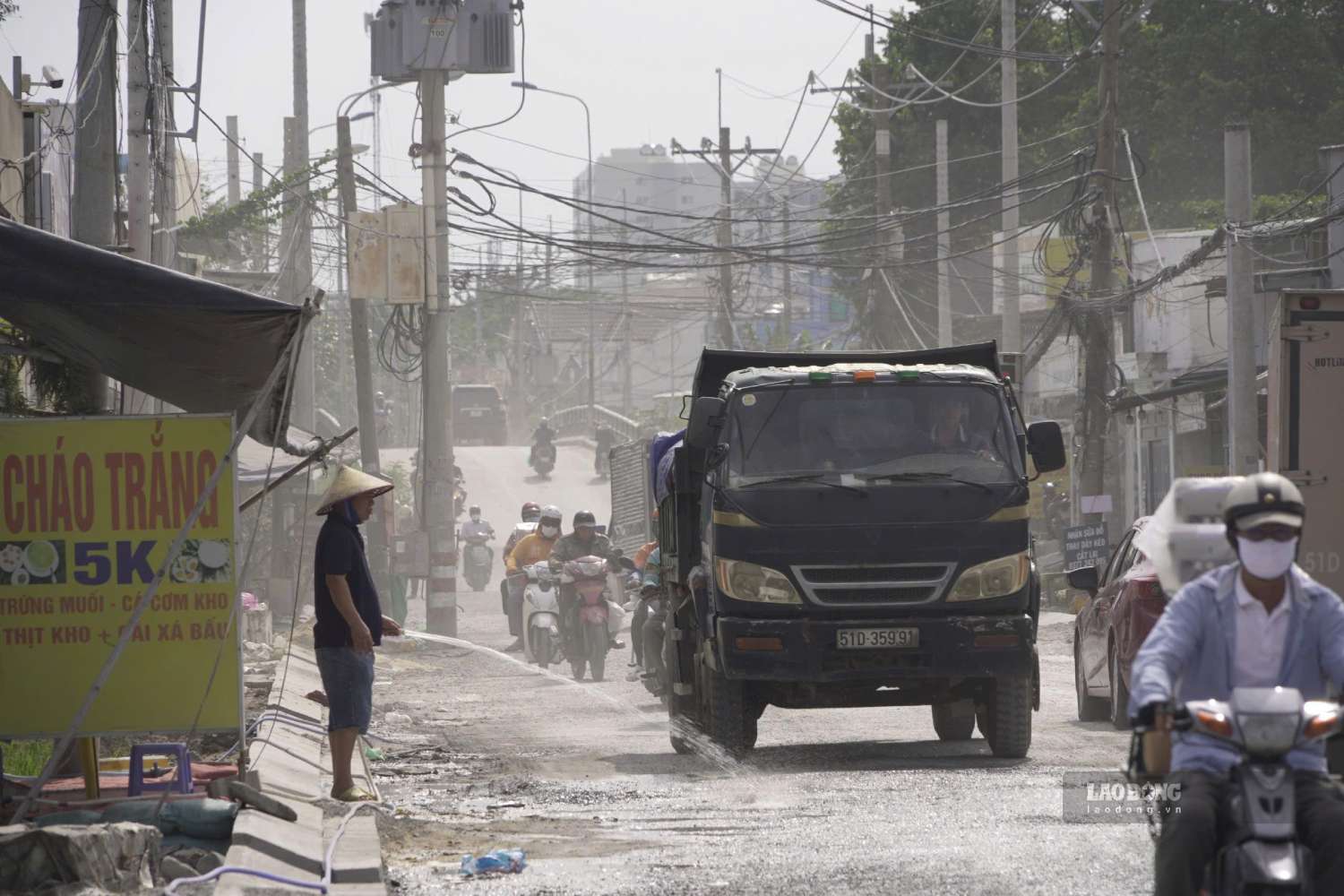
Recorded on the inter-ward road Thoi An - Thanh Xuan, many sections of the road surface have potholes and craters, while some locations are quite narrow. Trucks and large vehicles regularly circulate, causing the road surface to quickly degrade, generating dust on sunny days. When it rains, some sections become muddy, causing difficulties for people, especially motorcyclists.
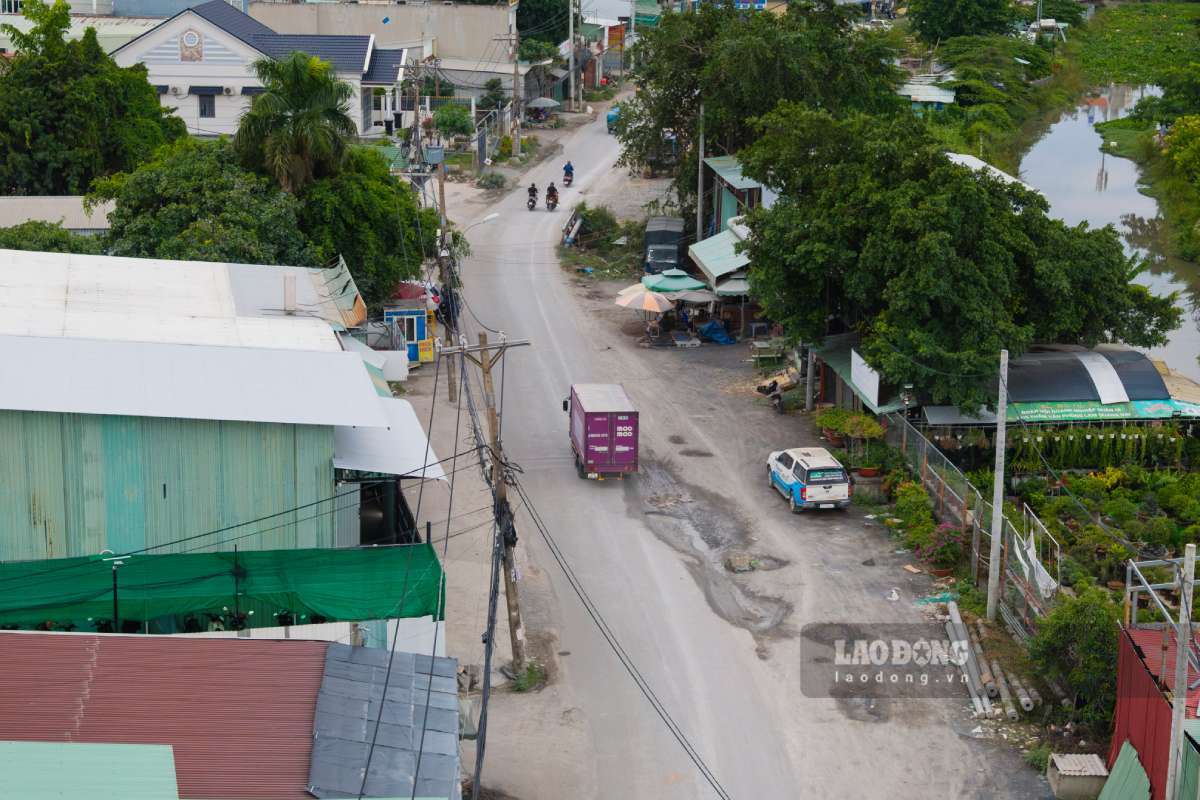
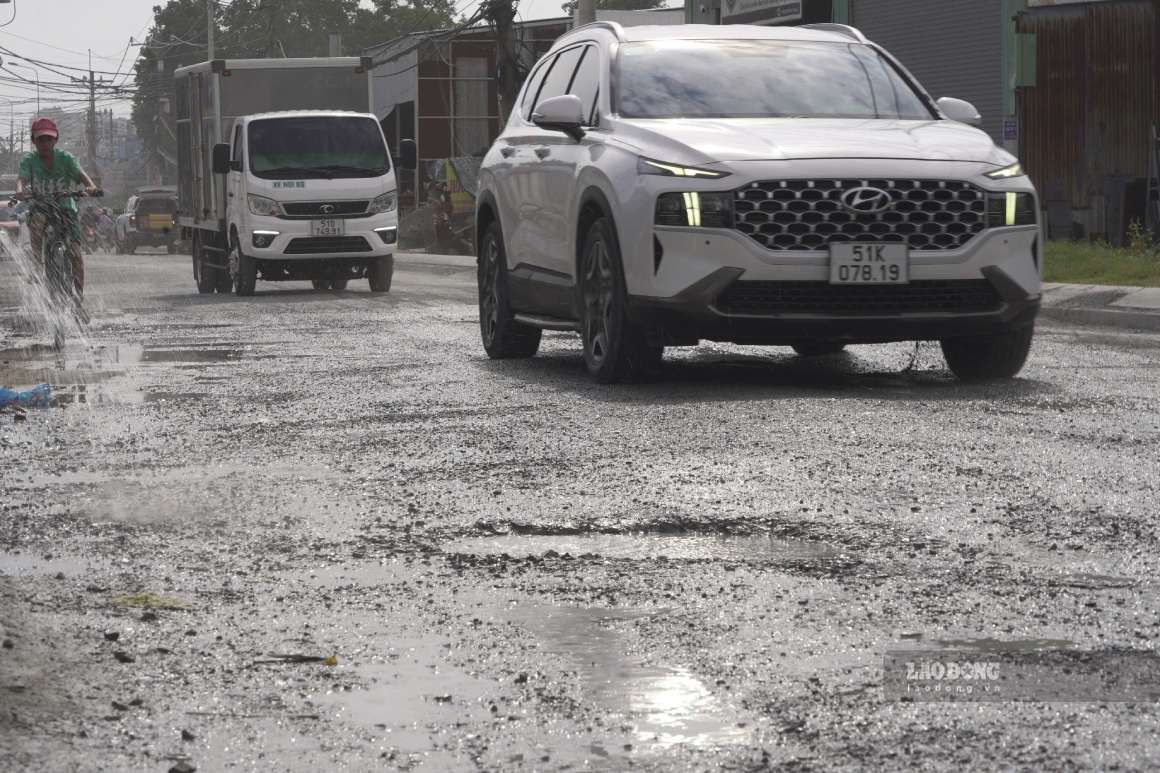
Ms. Pham Thi Phuong Thao - a resident living on the road - said that the degradation situation has lasted for nearly 2 years, directly affecting her family's business.
When it's sunny, it's dusty, when it rains, it's muddy. Business has decreased a lot, some households even have to close down and return the premises. We hope the project will be implemented soon so that people suffer less, and travel and business are more convenient" - Ms. Thao said.
Similarly, Mr. Nguyen Quoc Dat - the person renting business premises on the route - said that the degraded infrastructure makes business increasingly difficult. The number of trucks and large vehicles circulating regularly makes the road surface quickly damaged, while dust and mud significantly affect people's lives and business activities.
According to the Ho Chi Minh City Traffic Construction Investment Project Management Board (Traffic Board), the Thoi An - Thanh Xuan inter-ward road construction project (Route 2) affects 471 cases. Among them, 114 cases are expected to be completely cleared and arranged for resettlement.
To date, the Project Compensation Council has approved 100% of detailed compensation plans for each household. Units are preparing to list plans and organize dialogues with people.
The compensation plan is expected to be approved in the third quarter of 2026, with the goal of completing the handover of the entire site for the project in the fourth quarter of 2026.
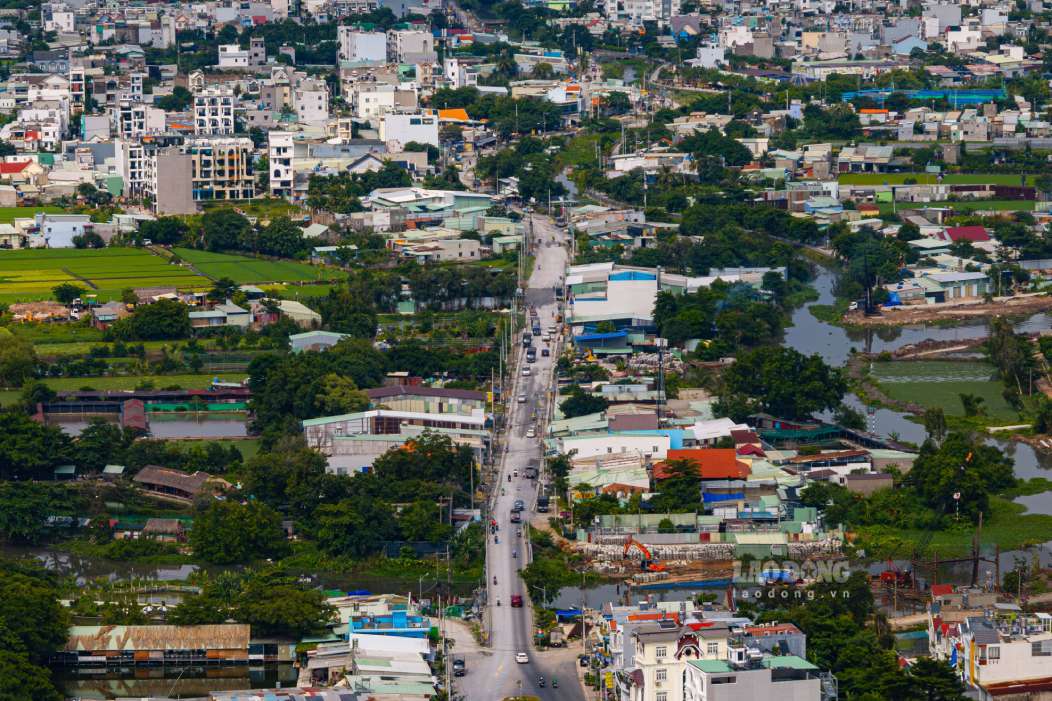
In parallel with site clearance, the Traffic Management Board is completing the design, cost estimate and selecting contractors to deploy construction. The project is expected to start construction in the fourth quarter of 2026 and be completed in 2028.
According to the plan, the main route is nearly 4.5 km long, 40 m wide, including 6 lanes, starting point is the intersection of Le Van Khuong street and ending point is the intersection of Ha Huy Giap street. The project also has a branch connecting Le Thi Rieng street, about 200 m long, 30 m wide, including 4 lanes. The total investment of the project is more than 3,500 billion VND.
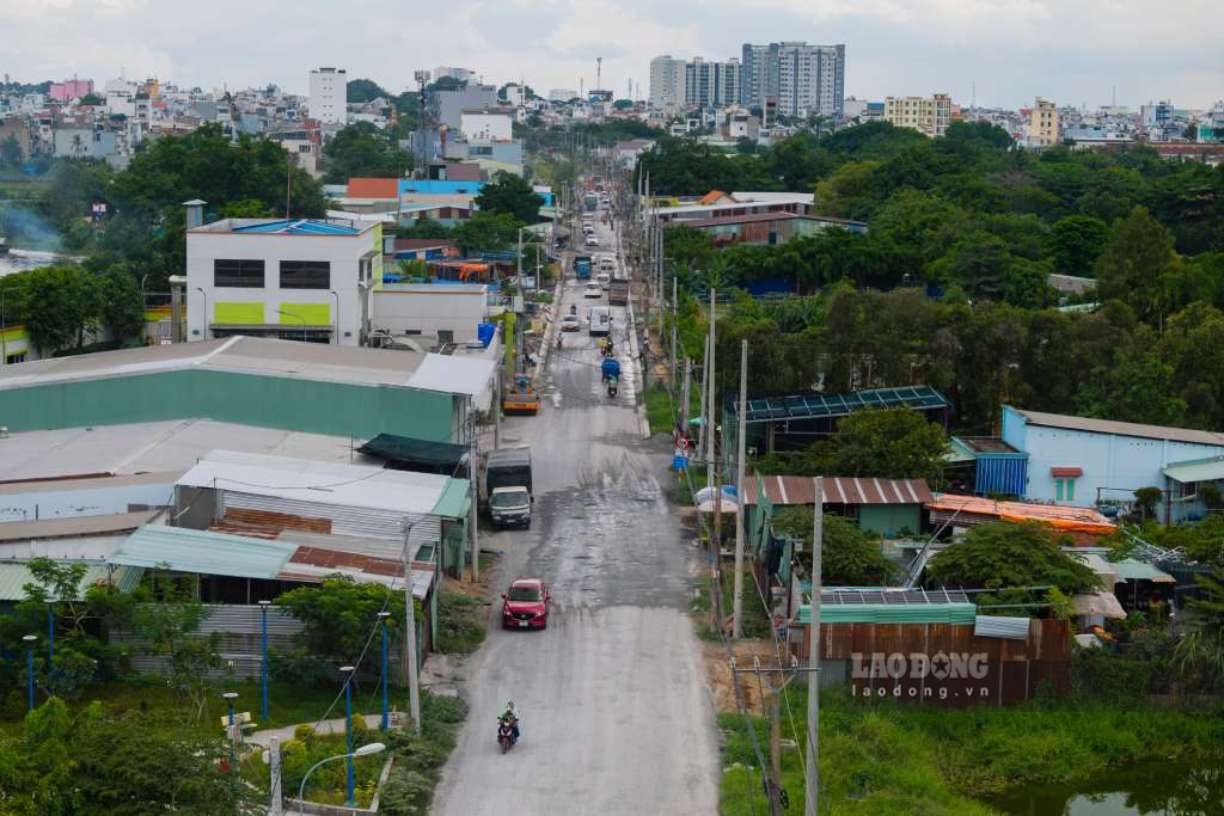
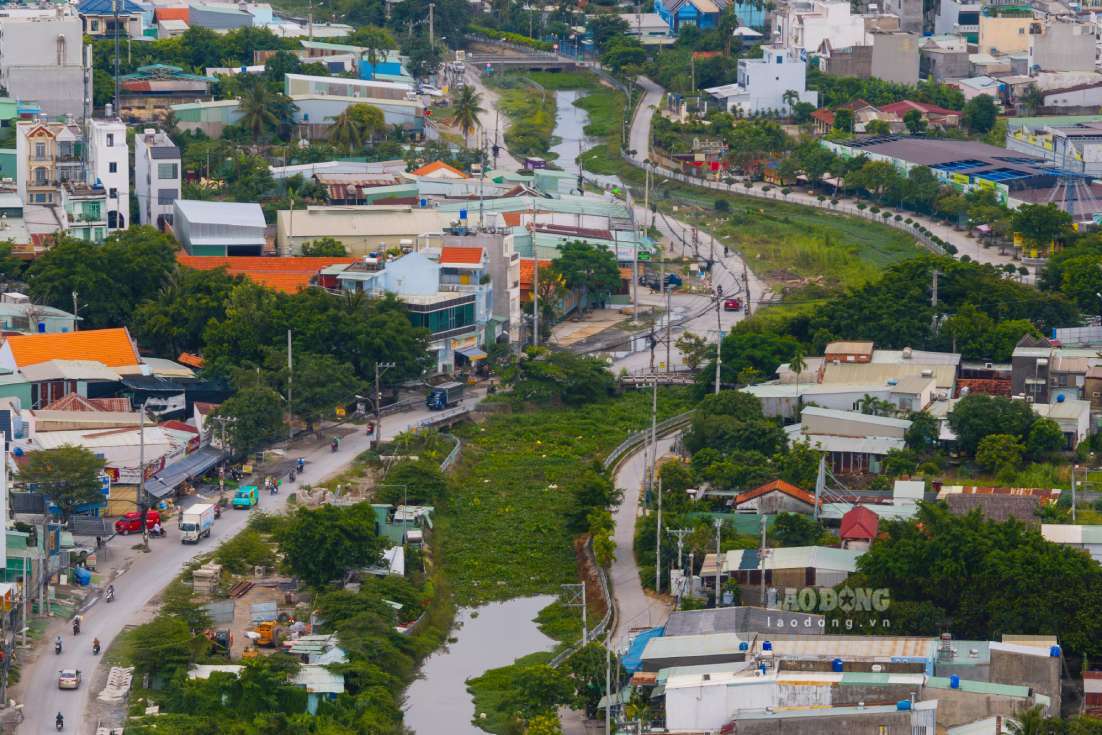
After completion, the route is expected to complete the traffic network of the Northwest gateway area of Ho Chi Minh City, reduce pressure on Do Muoi street and contribute to limiting congestion in the Ha Huy Giap - To Ngoc Van area.