
On June 16, the Military Command (CHQS) of Da Nang city organized a workshop to verify and conclude information about martyrs and martyrs' graves at Da Sap cave, also known as Thuong Nghiep K600 cave, Ha Nha commune.
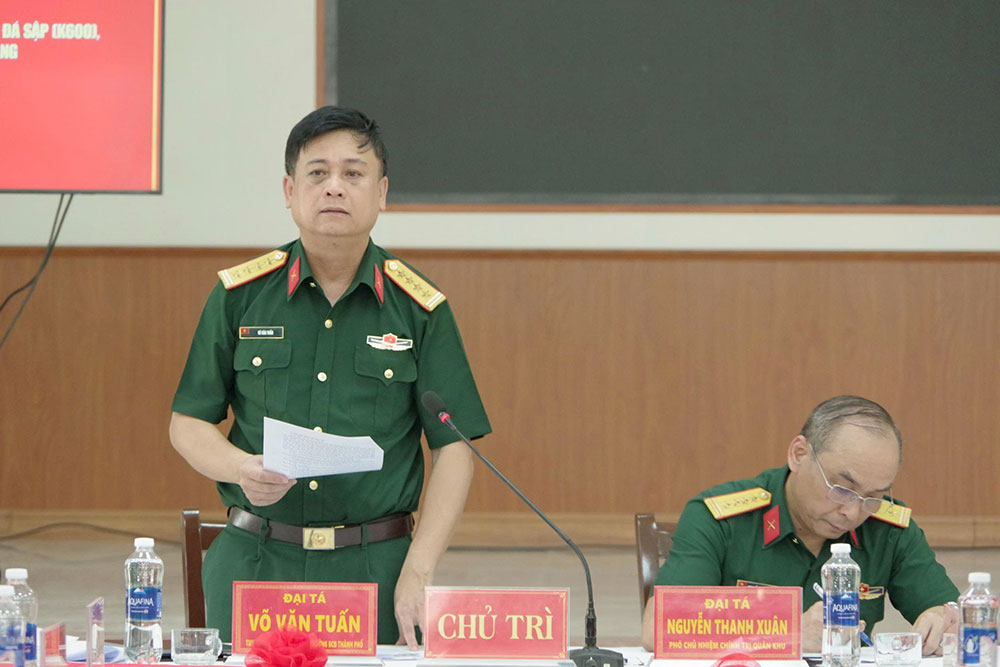
During the resistance war, Da Sap cave had an important strategic position, being a place of gathering, sheltering, and transit for many key units such as Regiment 31, Regiment 36, Regiment 141, Regiment 575, Transport force 130, Hospital 78 and many officers and soldiers from the North Hoa Vang wing to Dai Loc to receive rice, buy food and perform combat missions.
This is also where the Food and Trade Company of Front 44 purchased and collected food from enemy-occupied bases to supply soldiers.
At about 9 am on April 25, 1969, the enemy discovered and fired warning flares, then artillery from Lo Mountain and F4 aircraft bombed heavily into the area suspected of having troops stationed. Da Sap Cave was bombed and collapsed, soil and rocks slid down and blocked the cave entrances, causing many trade officers and soldiers to be trapped and sacrificed.
Through field surveys, functional forces discovered many artifacts such as flip-flops, baskets, parachute cloth, raincoats, large batteries, information wires, knives, personal wallets, canned fish cans, toothbrushes, AK ammunition and ammunition depot areas with about 18 to 20 rounds of ammunition of various types.
At the location identified as the bomb hit site, the survey team discovered a pair of women's basket sandals, many artifacts and a piece of tibia about 35 to 40cm long lying exposed in the cave; at the same time, they cordoned off the area, keeping the scene intact.
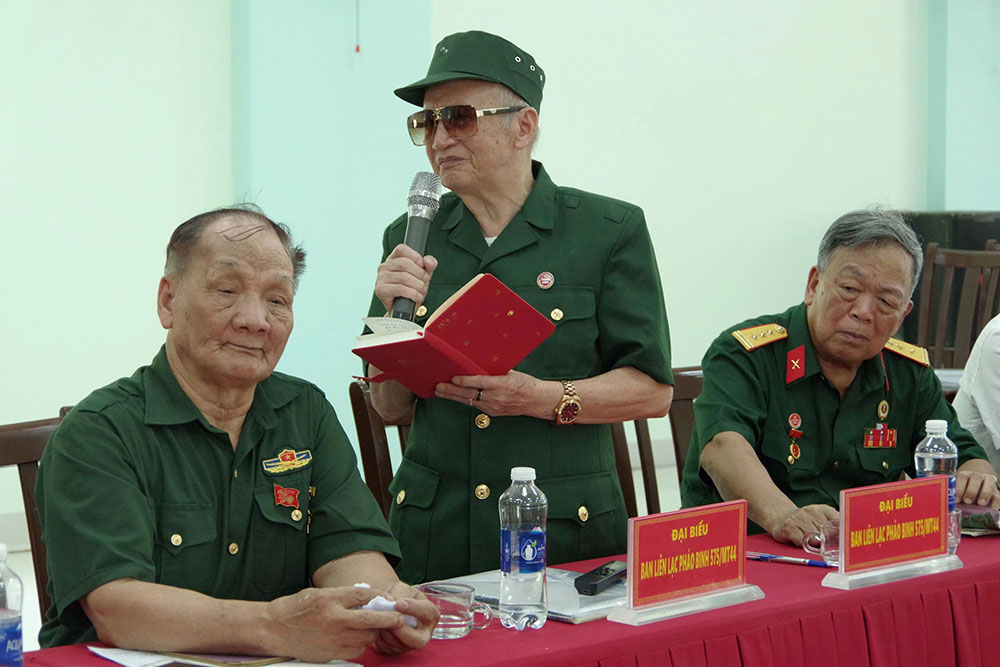
The workshop aims to collect and synthesize opinions from functional agencies, military units, historical witnesses, veterans and relatives of martyrs; thereby verifying, comparing, and assessing the reliability of information and documents related to martyrs and martyrs' graves at Da Sap cave.
Delegates focused on clarifying the location, coordinates, current status of the area; forecasting the number of martyrs' remains; unit name, time of sacrifice and martyr's identity if sufficient grounds are found. This is a scientific and legal basis to direct surveys, excavations, searches and repatriation of martyrs' remains.


