
Faced with the risk of the SAT1 strain foot-and-mouth disease virus entering Southeast Asia, including Vietnam, the Ministry of Agriculture and Environment has reported to the Government on the epidemic situation and the vaccine against SAT1 strain foot-and-mouth disease.
Accordingly, foot-and-mouth disease (FMD) is a transboundary and transcontinental infectious disease caused by the virus belonging to the Picornaviridae family, Aphthovirus variety, spreading rapidly on pair-shouldered livestock, seriously affecting livestock production, livelihoods of farmers and food security. The SAT1 serotype foot-and-mouth disease virus is undergoing rapid geographical migration.
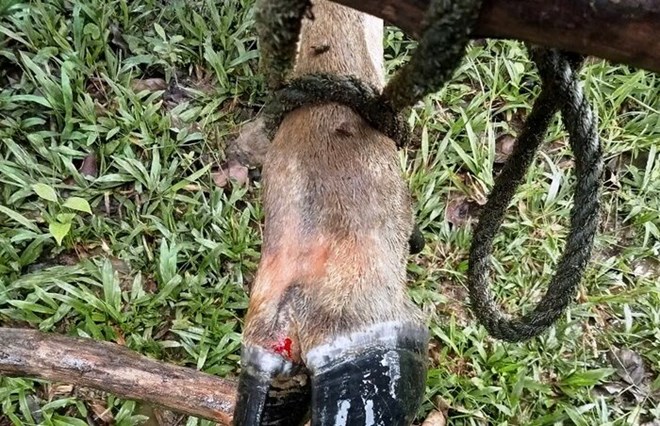
Previously, this strain mainly circulated in Africa, but since 2025 it has spread to the Middle East and West Asia. Worryingly, in early April 2026, China announced outbreaks of SAT1 in cattle herds in Gansu and Xinjiang provinces. The rapid geographical shift of the SAT1 FMD serotype virus reflects its adaptability, strong spread and increases the risk of entering Vietnam in the context of increasingly complex cross-border trade and transportation of animals and animal products.
Currently, FMD vaccines currently licensed for circulation in Vietnam only have a protective effect against FMD virus strains of serotype O, A and Asia1, and do not have the ability to protect against FMD virus serotype SAT1.
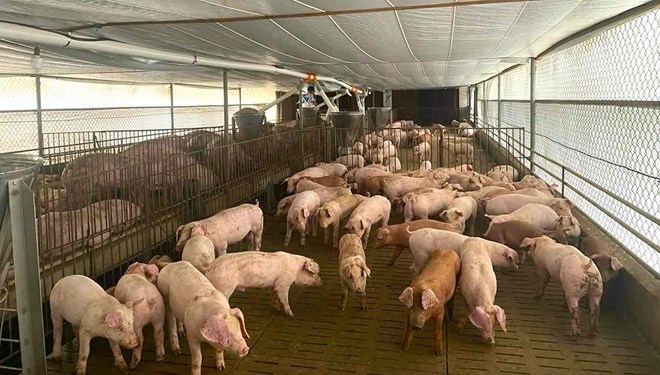
While the total cattle herd susceptible to disease in Vietnam includes: 31.4 million pigs, 6.14 million cows, 1.95 million buffaloes and more than 3 million goats and sheep. Therefore, the case of LMLM serotype SAT1 virus entering our country will greatly affect the development of the buffalo and cow industry, especially for infected cattle populations without appropriate immunity, the incidence rate can be very high, up to 100%, causing great economic damage if proactively prevented and responded to in time.
In Vietnam, FMD vaccines currently in use and circulation only have a disease prevention effect for serotypes O, A and Asia1. Meanwhile, the SAT1 serotype has never been circulated in Vietnam, so the entire herd of sensitive livestock (buffaloes, cows, pigs, goats, sheep...) does not have protective immunity. When a new virus strain enters unprotected animal populations, the incidence rate can be very high, and the risk of widespread outbreaks is present.
Faced with the emergency situation, the Ministry of Agriculture and Environment has proposed to the Prime Minister to allow the import of LMLM serotype vaccine SAT1 that has been licensed for circulation by competent authorities of countries.
The Ministry of Agriculture and Environment also proposed that based on the results of product quality inspection meeting requirements, it will be allowed to be used at livestock farms according to the content requested by the establishments with the aim of vaccinating to create proactive immunity for livestock before the epidemic occurs, and at the same time, it will vaccinate to encircle the outbreak in case the epidemic occurs in Vietnam.
Proactively allowing the import of SAT1 serotype FMD vaccine in case of emergency animal disease prevention and control is an urgent solution to create proactive immunity, protect livestock, minimize economic damage and ensure national disease safety in the context of the increasing risk of entry of SAT1 serotype FMD virus," a report from the Ministry of Agriculture and Environment stated.


