Hoan Kiem Ward People's Committee has just announced information about the Urban Design Project for the Phung Hung bridge arch area.
The design research area has its starting point at the traffic junction of Tran Nhat Duat street and Gam Cau street. The ending point is at the traffic junction of Phung Hung street, Tran Phu street and Ly Nam De street.
The area of land for urban design planning is about 8.7 ha. The total length of the routes is about 1.7 km.
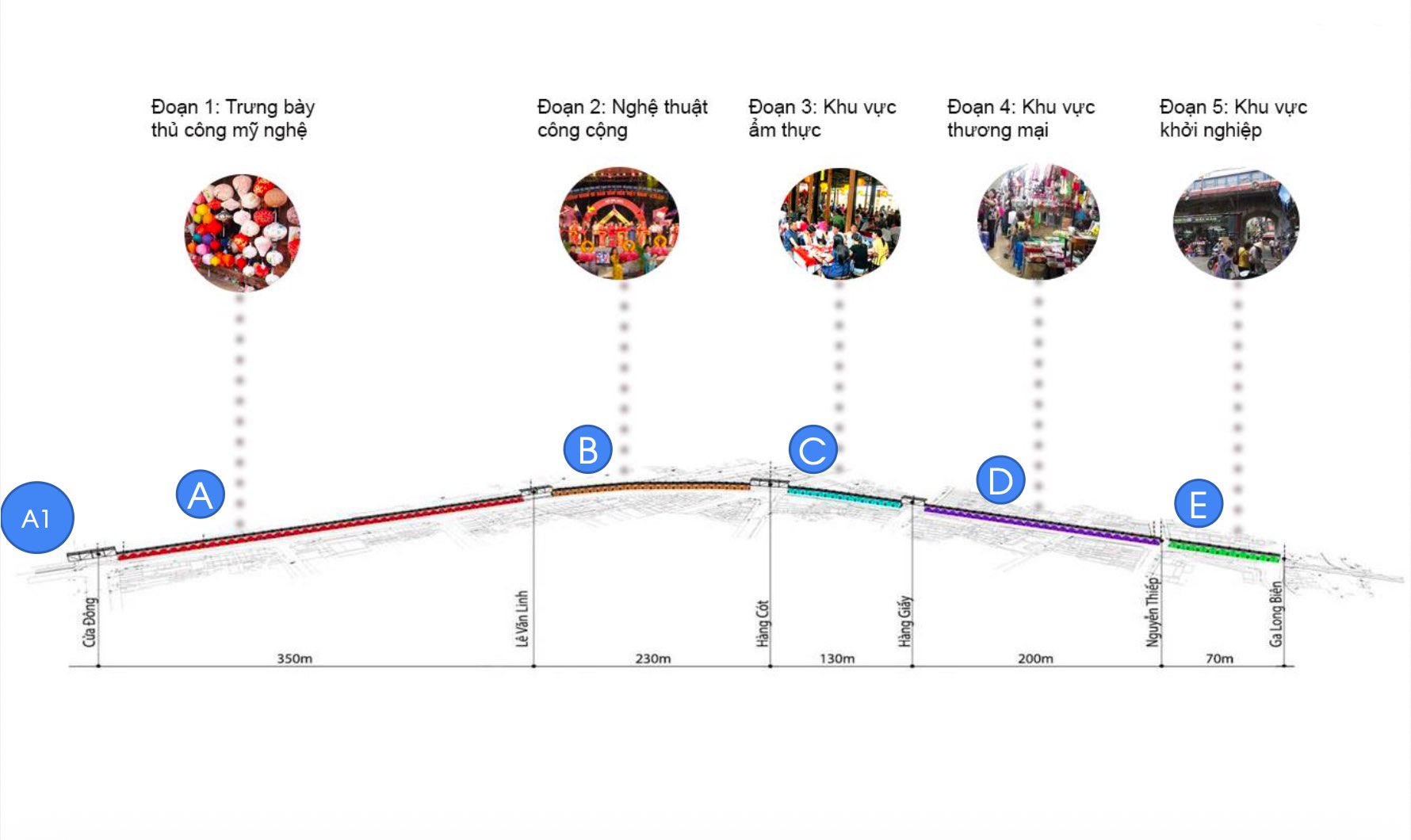
According to the content of the project, the Phung Hung railway bridge arch street after being cleared will be divided into 5 sections and oriented functional sub-areas (artisanat space, craft villages; community cultural and artistic space; culinary cultural space; traditional market area; direction of forming a public park combined with architectural preservation of Long Bien station).
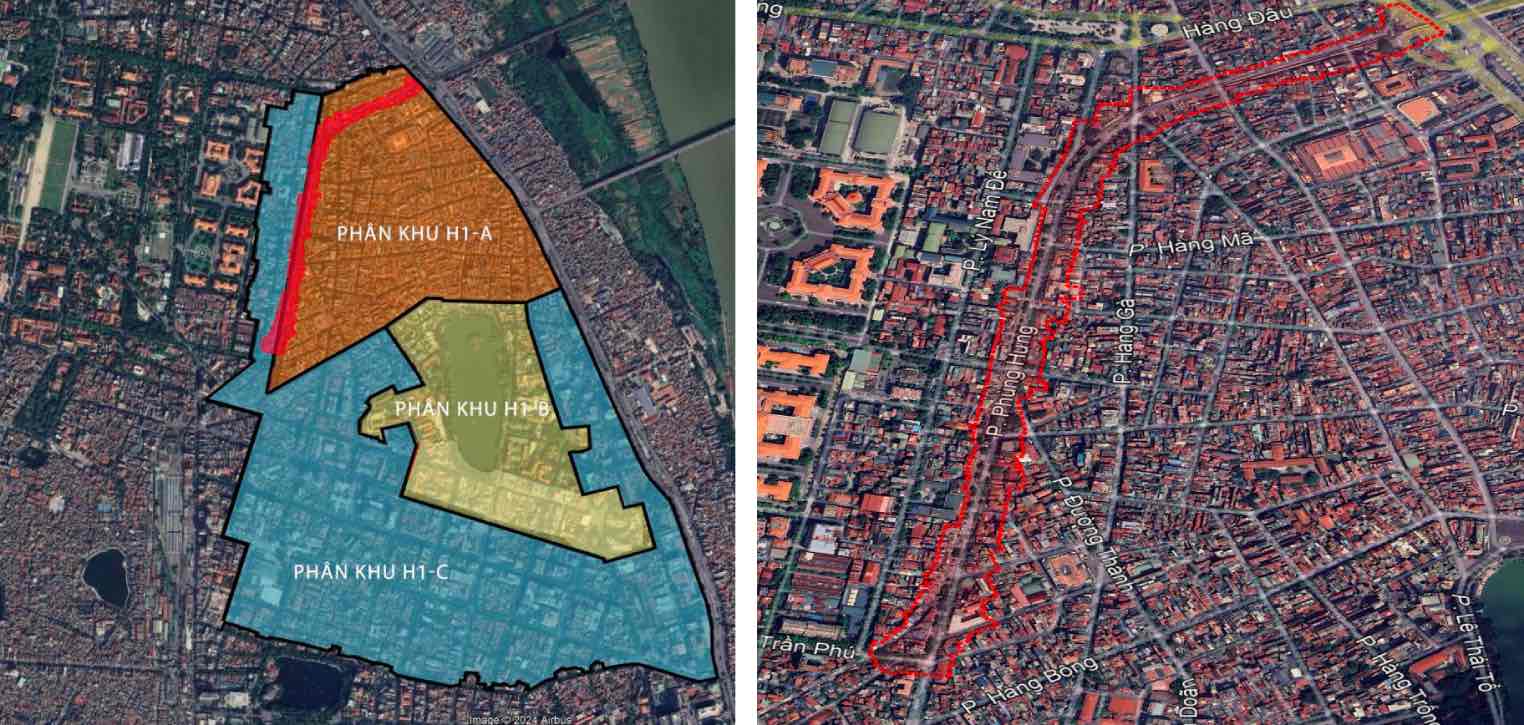
According to Hoan Kiem Ward People's Committee, Gam Cau and Phung Hung streets are one of the streets located in the western area and are also the final streets of Hanoi Old Quarter.
The street creates a unique landscape axis running along the walls of the elevated railway bridge system built by the French in the early 1900s.
The street creates a unique architectural appearance with the connection between the Hanoi Old Quarter area and the old quarter later built and planned by the French. At the same time, it plays an important connecting role from the Long Bien bridgehead area (Long Bien Station) connecting to the northern area through the Long Bien bridge.
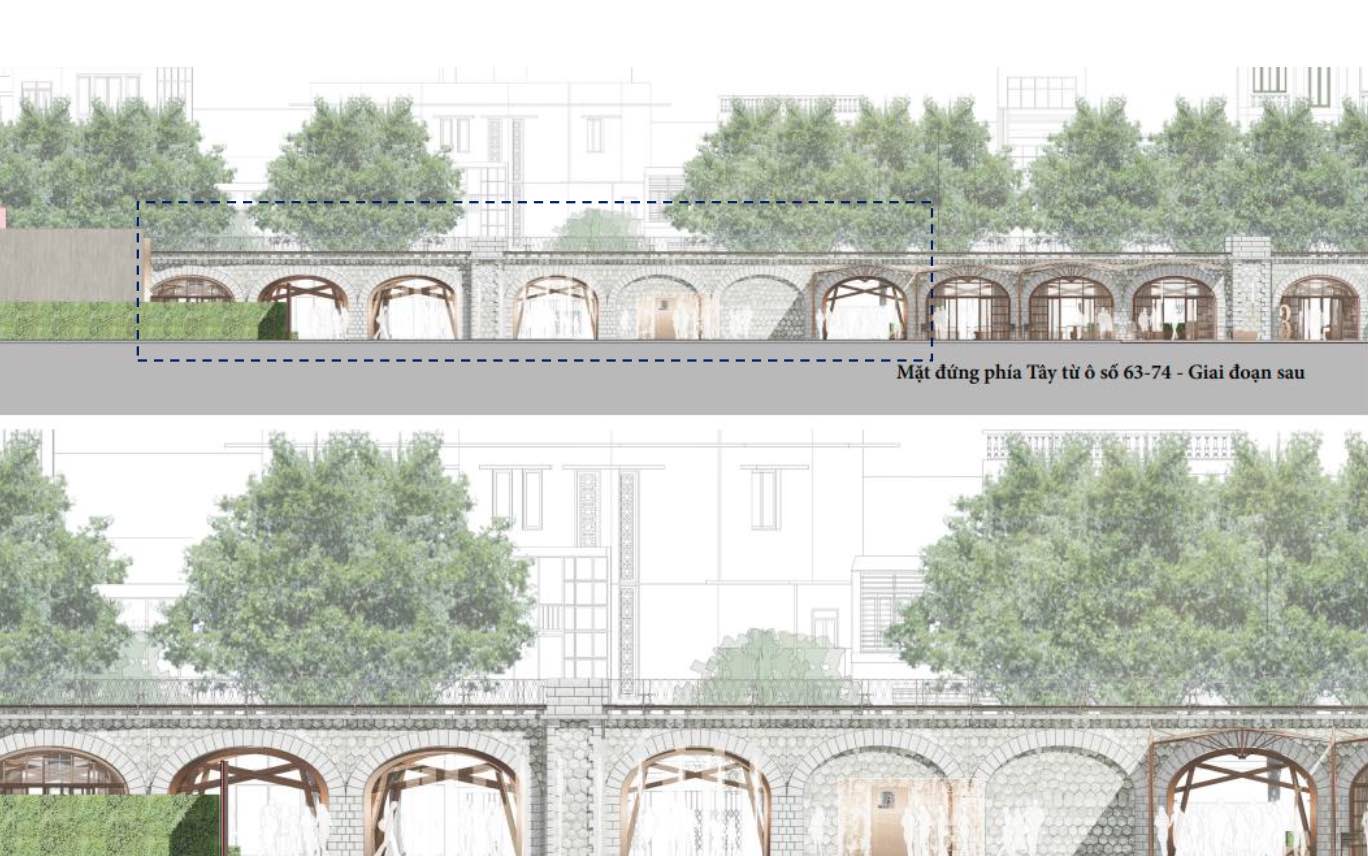
The architectural space of the route has outstanding characteristics with a bridge arch system consisting of 131 stone bridge arches built from the French colonial period. These bridge arches are not only railway technical infrastructure works but also a "living heritage", creating a soft median strip between residential areas.
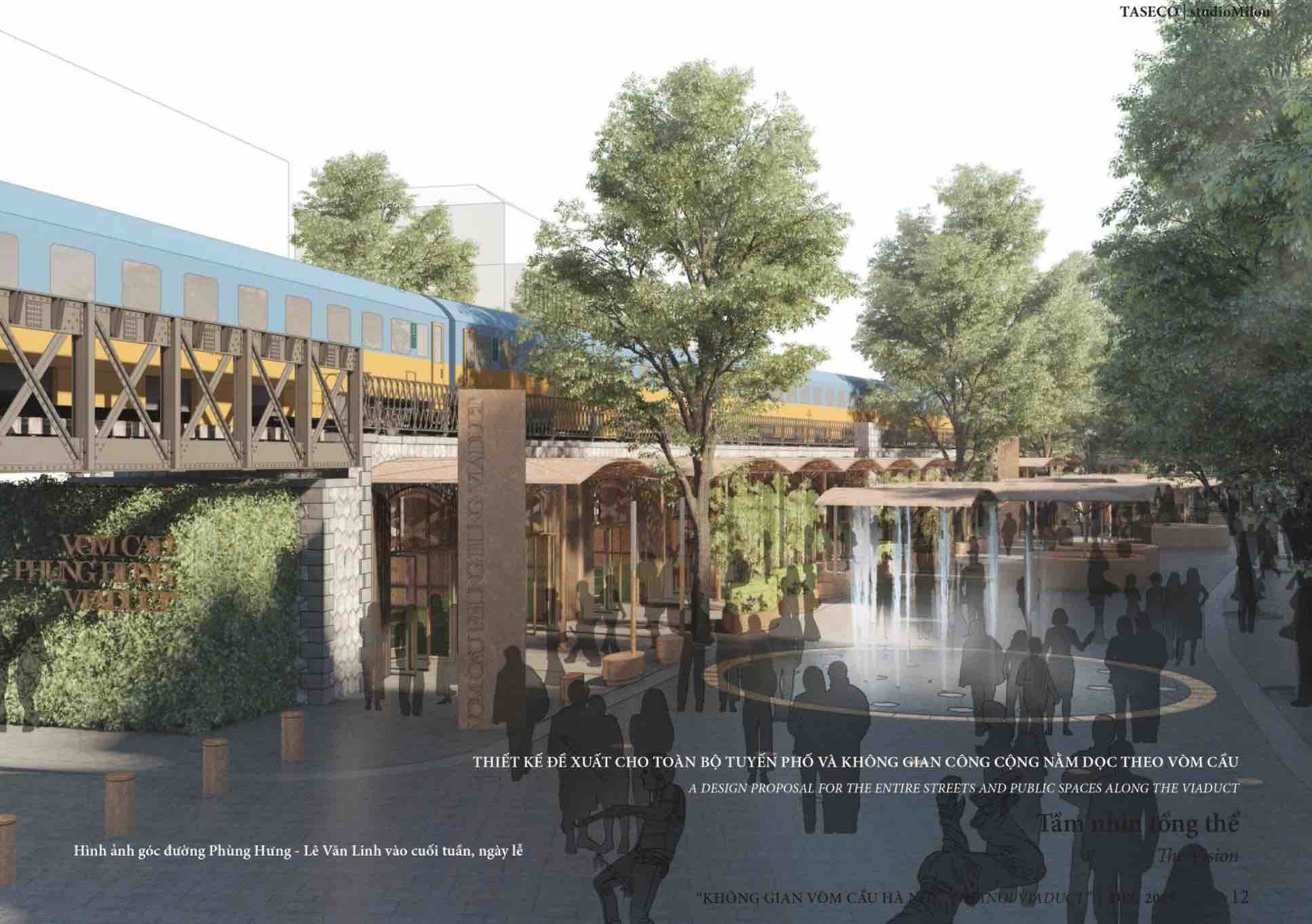
The design of a separate urban area in the Phung Hung Arch area will contribute significantly to the success of the project to reuse the space of 131 arches according to the original architecture into a cultural - commercial - tourist space, creating a space connection between the arches and existing townhouses, forming a unified whole in style and nature.
The urban design project is expected to be completed in August 2026 and the project will be implemented in accordance with current regulations.
The railway overpass from Hanoi station through Phung Hung street to Long Bien station is more than 1.7km long, built by the French in the period 1900-1902.
This is proof of the modernization of Hanoi's urban area in the transitional period, which lies in the unique intersection between history, architecture, culture and urban development space.
The bridge arches are built of solid stone with European-style curved arches, running through streets (Phung Hung, Gam Cau...) playing the role of a "legacy wall" shaping the characteristic appearance of the North Old Quarter area.
The section from Hanoi station to Cua Dong street is specially built. The remaining section to Long Bien station is nearly 850m long, including solid stone curved arches, 2.6m - 4.9m high. Out of a total of 131 bridge arches, there are currently 6 arches for traffic, 97 arches are built with two layers of walls, 21 arches are built with four layers of walls and 7 original arches under the Long Bien station area.