
Main pumping station completed in September
On September 17, recording at An Phu intersection, the pumping station serving the drainage of the HC1-02 tunnel is being urgently completed by the contractor. The pumping station tunnel lid has been concreted, and operating equipment has been brought to the construction site, waiting for installation.
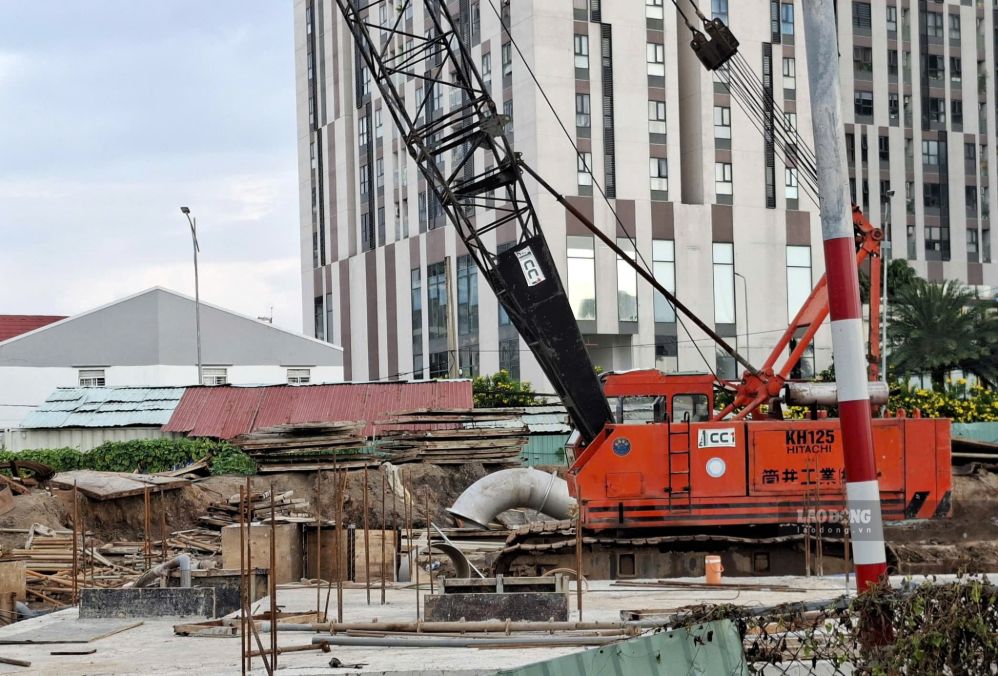
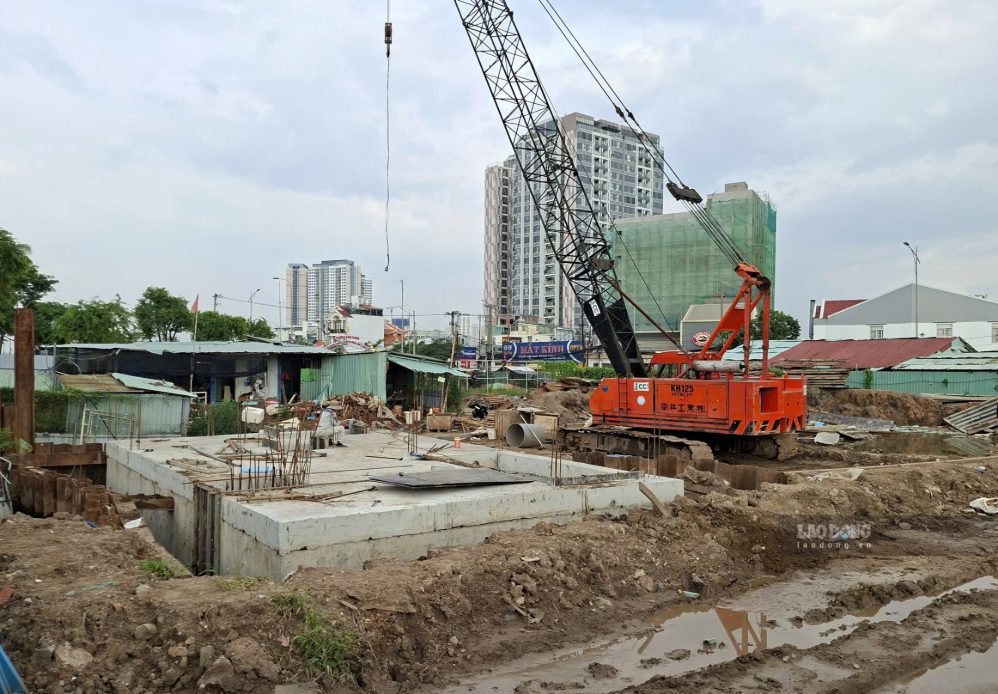
After the flood on September 10, the contractor also built embankments around the pumping station to limit water from outside from overflowing.
The Ho Chi Minh City Traffic Construction Investment Project Management Board (Traffic Board) - the investor of the An Phu intersection project, said that the contractor is focusing on construction, striving to put the main pumping system of the underpass into operation from September 22, 2026.
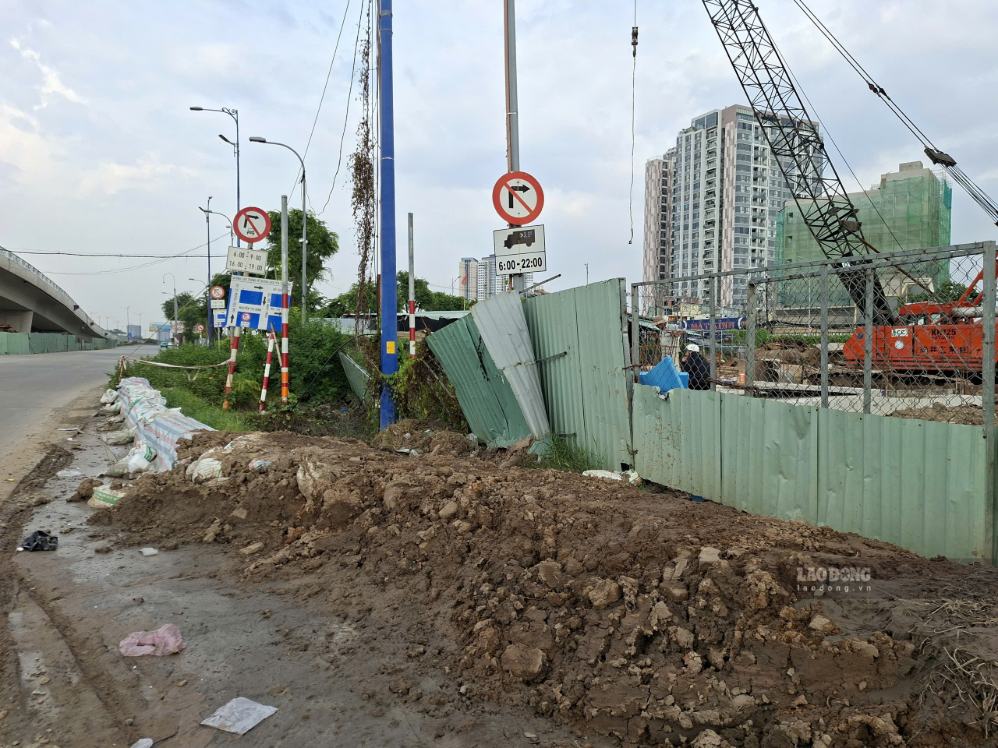
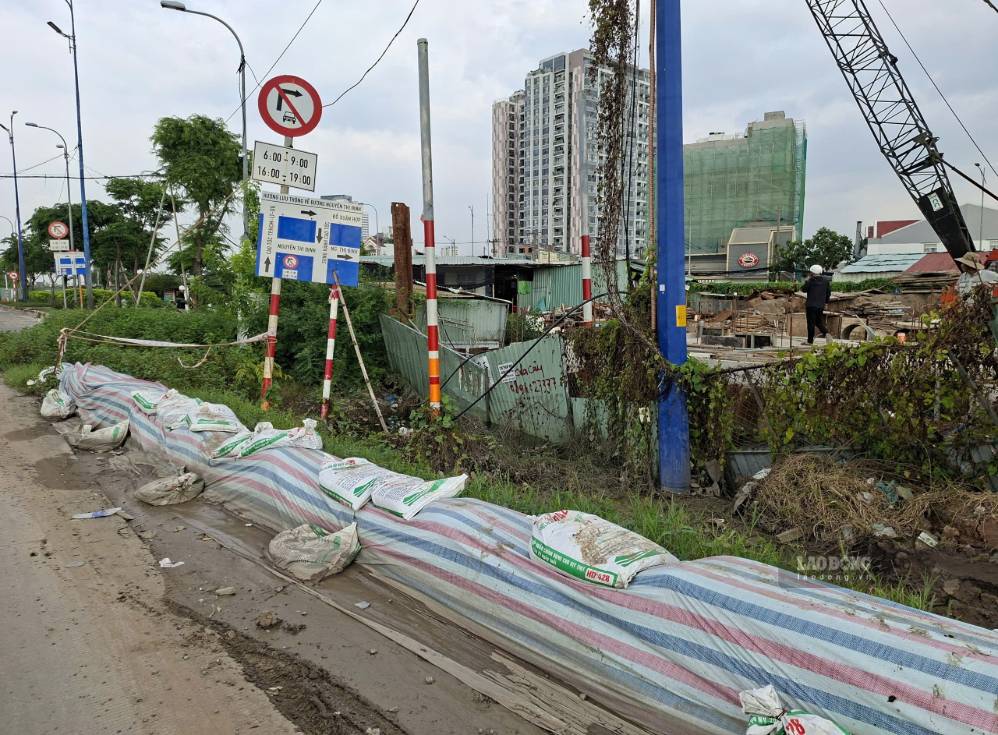
The HC1-02 underpass has completed the tunnel section and opened to traffic from February 2026, with a volume of more than 90% of the package value.
Since being opened to traffic, the underpass has been draining water through a temporary pumping system, with a capacity of only about 70% compared to the main pumping system as designed.
In the heavy rain on the evening of September 10, water in the tunnel and water from outside flooded into the pumping station area, causing the temporary pumping system to not be able to respond in time. Water drains slowly, the tunnel is flooded about 0.8-1m deep.
Completed pumping station still has risk of submerged underpass
According to the design, water from the An Phu underpass is collected through a system of longitudinal ditches, leading to the collection pit and then along the D800 pipeline to the pumping station near Nguyen Thi Dinh street and the expressway access road.
The pumping station is about 18m deep, designed to install 3 automatic pumps. When the water level reaches the set elevation, the pumps will operate, bringing water to the external drainage system.
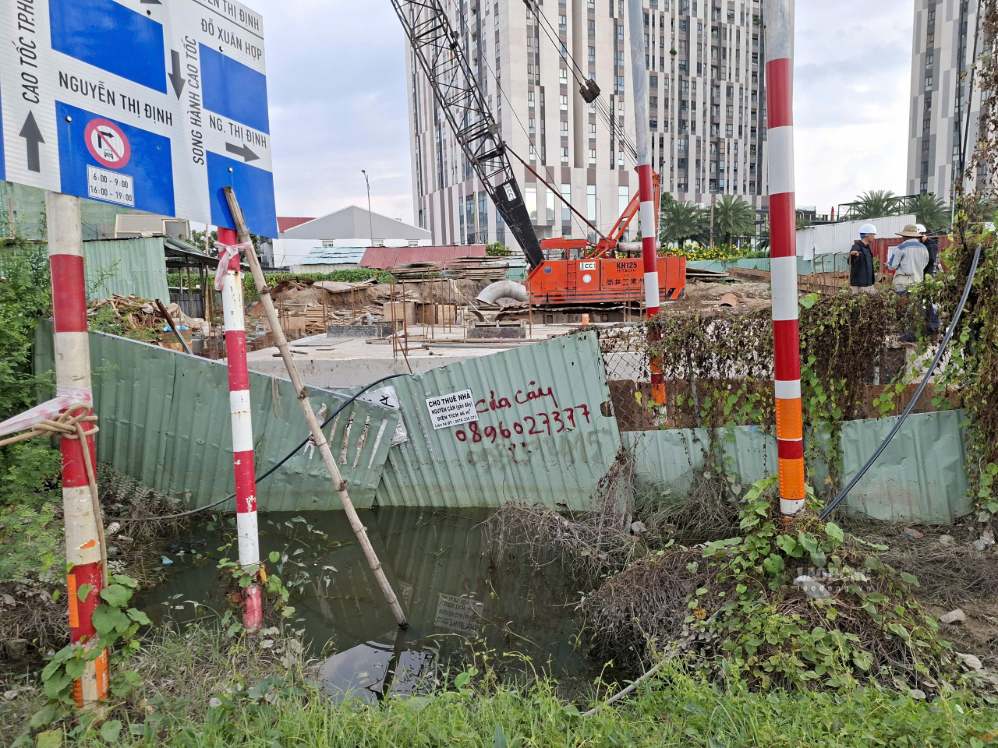
However, water from the tunnel is designed to be pumped into the drainage system on the parallel highway - an item belonging to another package that has not yet been constructed. Therefore, even though the pumping station is completed, the system still cannot be synchronously connected.
Meanwhile, An Phu intersection has a lower terrain than some surrounding areas, so when it rains heavily, water tends to pour in here. While the external drainage system is not completed, water pumped from the tunnel may have to be temporarily discharged into the adjacent land, posing a risk of water flowing back into the tunnel.
Cannot blame the weather
Discussing the above situation, Dr. Pham Viet Thuan - Director of the Institute of Economics, Natural Resources and Environment of Ho Chi Minh City said that if outside water overflows into the tunnel when it rains heavily, it is necessary to comprehensively check factors such as construction height, water intake and drainage system, and water prevention solutions.
An Phu intersection has about 30 contractors participating. Items such as tunnels, ditches, sewers and embankments may be undertaken by different contractors.
According to Mr. Thuan, if there is no coordination in the construction process, items may not be synchronously connected, leading to technical problems and affecting the drainage capacity of the entire area.
We should not justify it with weather or heavy rain. The project must be designed and constructed to respond to more heavy rains in the future" - Mr. Thuan said.
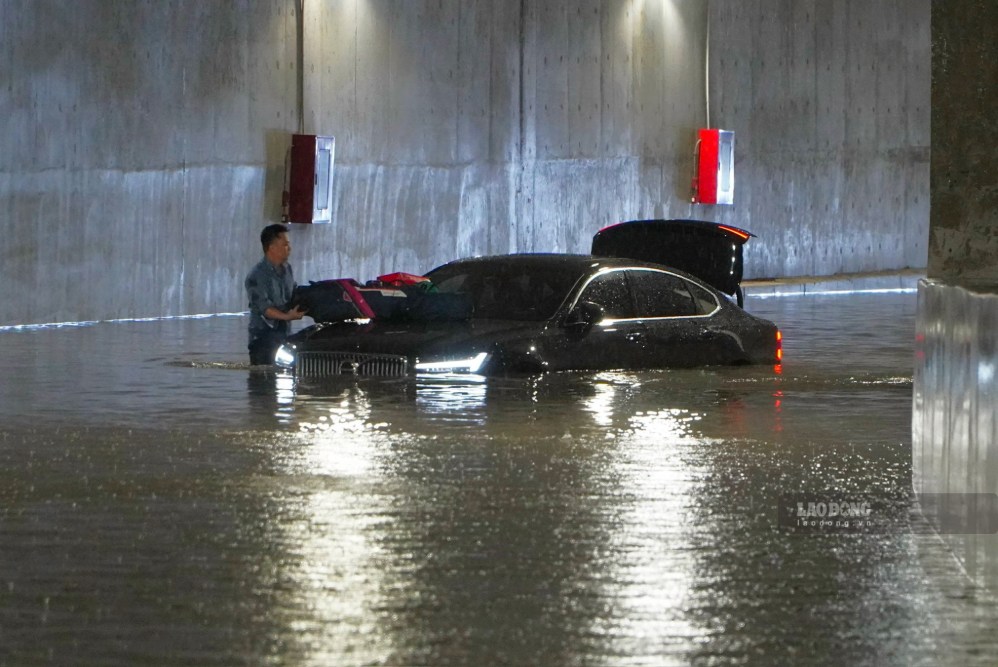
Mr. Pham Viet Thuan requested to specifically check the construction height, drainage ditch system, drainage ditches and barriers in the tunnel area to accurately determine the water path when it rains heavily.
According to Mr. Thuan, in some tunnels that have experienced flooding, the remedial solution applied is to build ramps to separate the water flow or raise the guardrail higher than the natural height outside.
Raise the road 70 - 80cm to limit water from pouring into the tunnel
The Ho Chi Minh City Department of Construction has requested the Traffic Board to clarify objective and subjective causes; assess the drainage capacity of the tunnel, drainage system and related equipment, and prevent flooding from recurring in the near future.
At the same time, accelerate the progress of the remaining items, strengthen inspection and supervision of construction quality, and ensure compliance with the approved design.
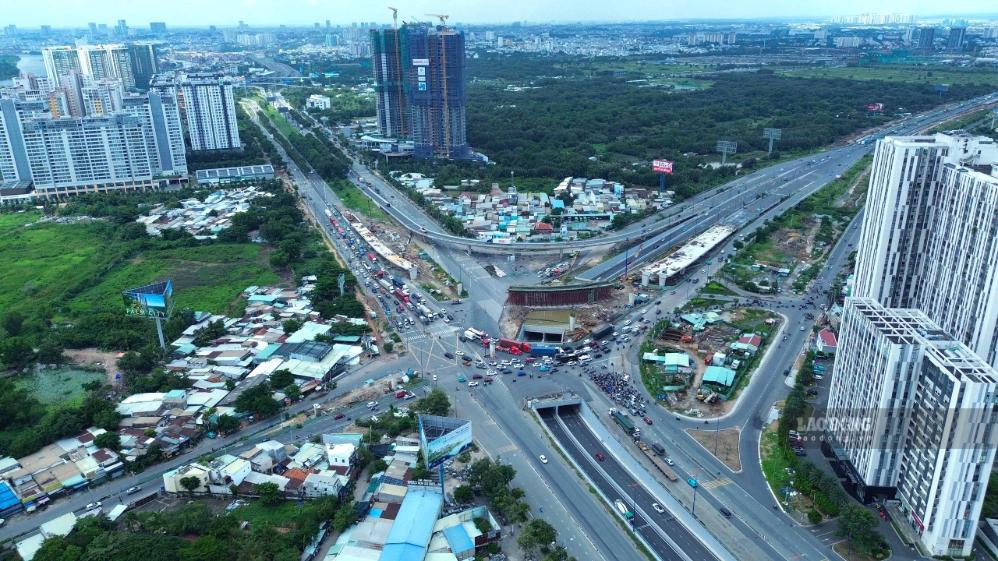
According to the Ho Chi Minh City Transport Board, in the long term, the An Phu intersection area will be handled synchronously from the road surface elevation to the water collection and drainage system.
The road surface is expected to be raised by about 70 - 80cm to create a suitable drainage direction, limiting rainwater from pouring into the tunnel entrances. The water collection system along both sides of the curb is also added to increase water collection capacity.
Existing culverts that no longer meet drainage capacity will be replaced by larger culverts. These items are expected to be implemented from October 2026.


