
Recorded on April 24, on Cong Hoa street, many workers and machinery were mobilized to dismantle the hard concrete median strip, which was planted with grass and fixed in the middle of the road.
The "death" of this median strip helps to expand a new lane nearly 3m wide.
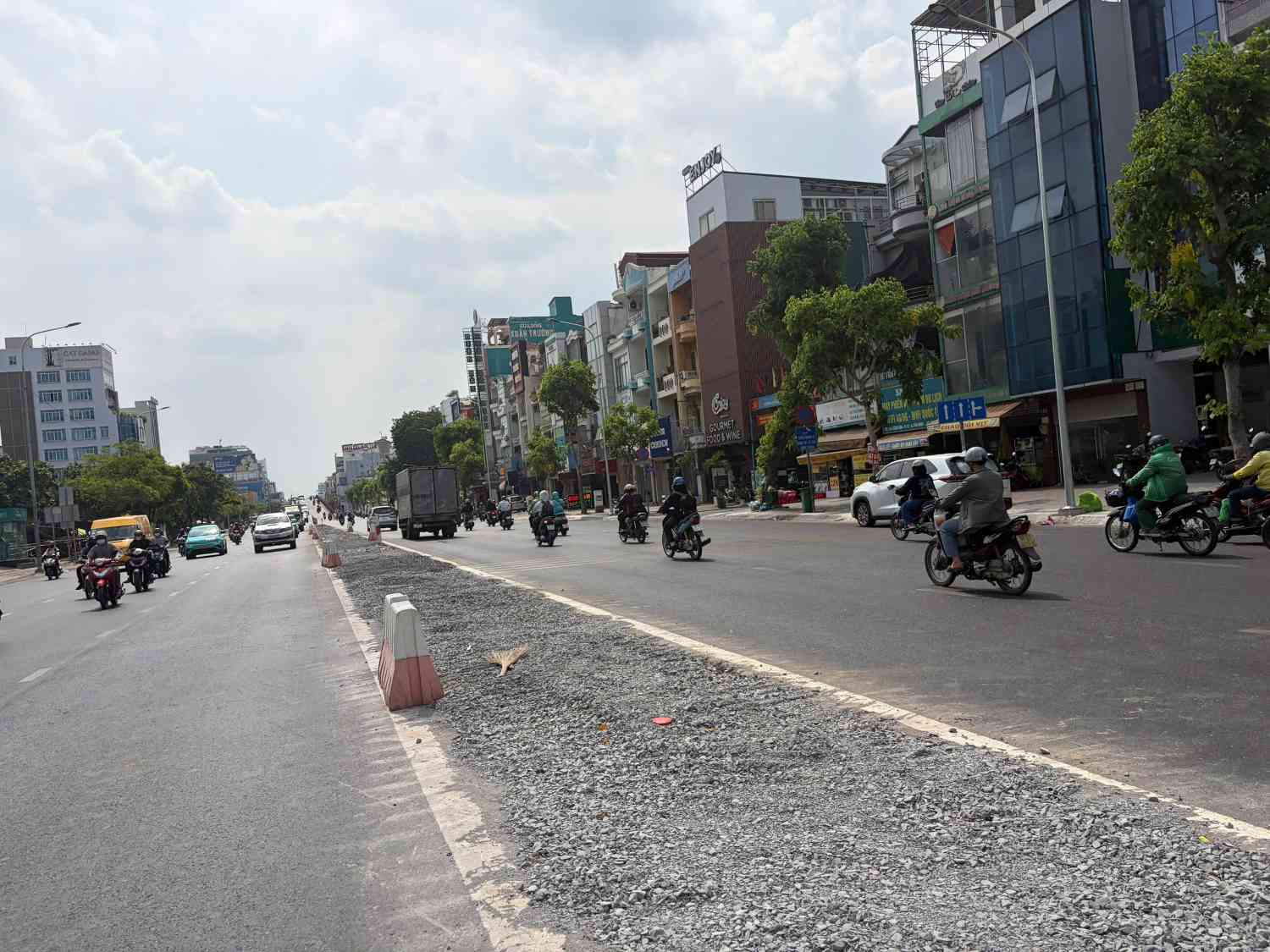
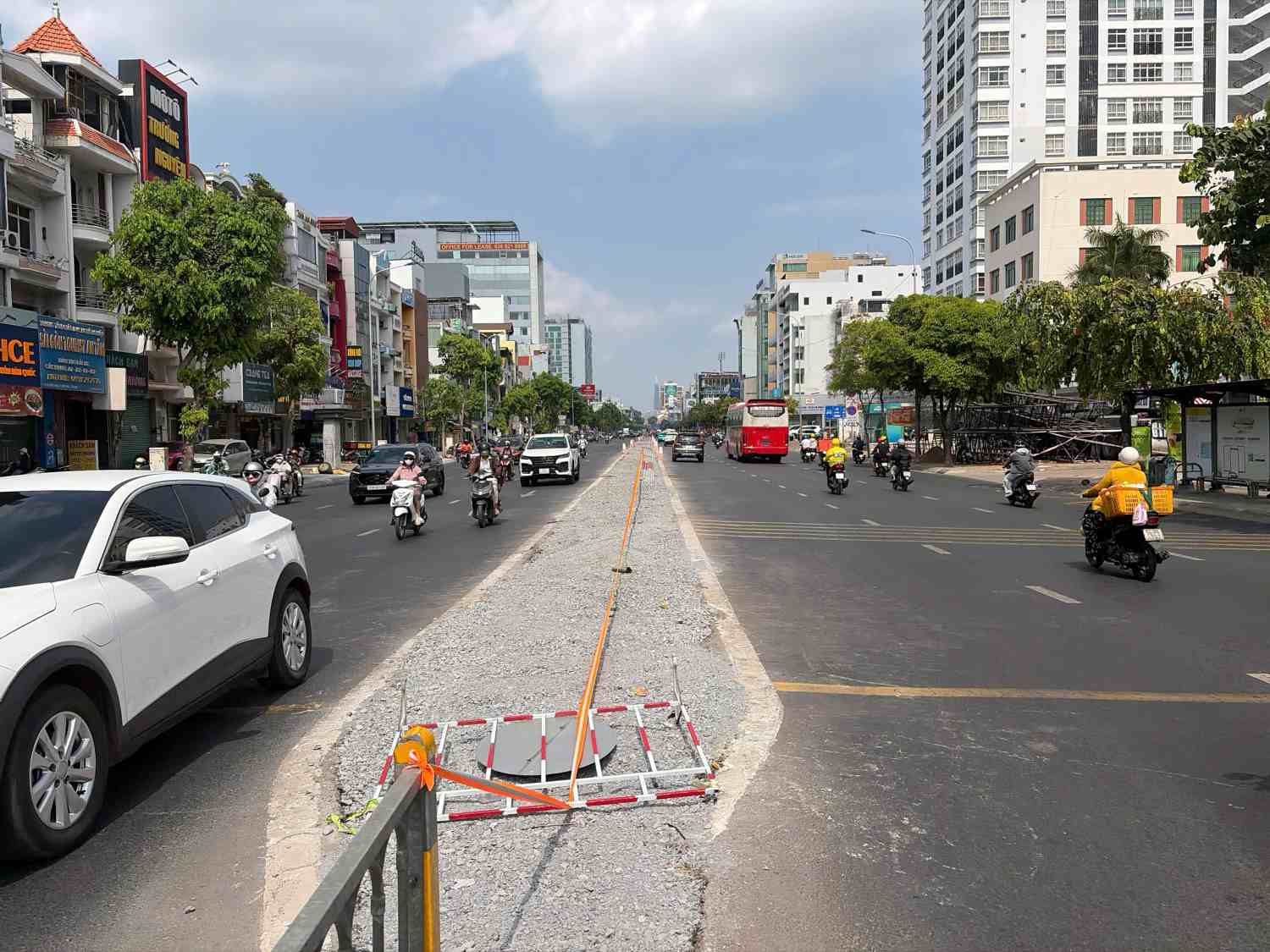
After demolition, construction units proceeded to spread gravel, compact the roadbed, preparing for the asphalt paving stage. Some sections have completed the asphalt layer and put it into temporary operation, contributing to improving traffic flow.
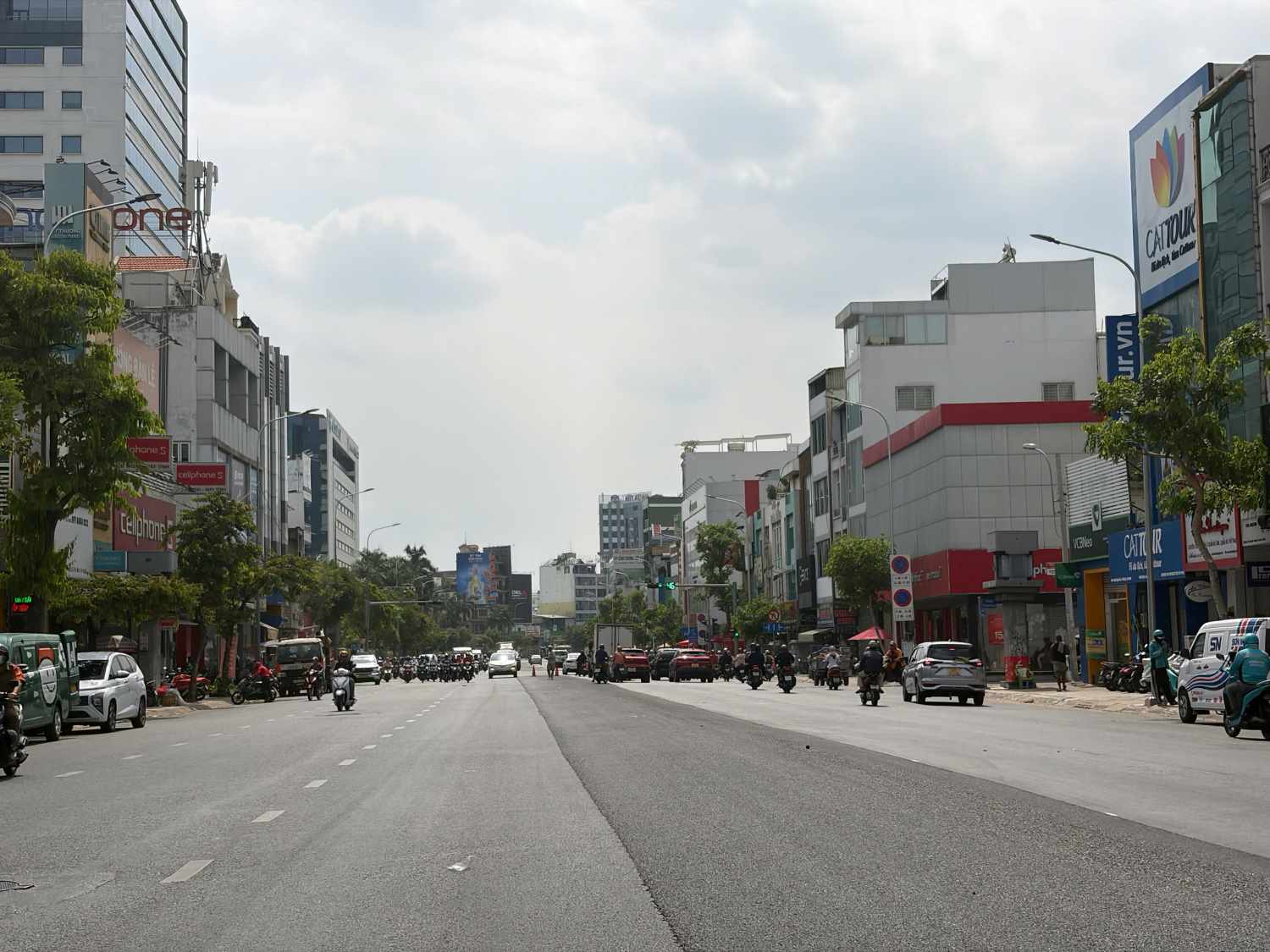
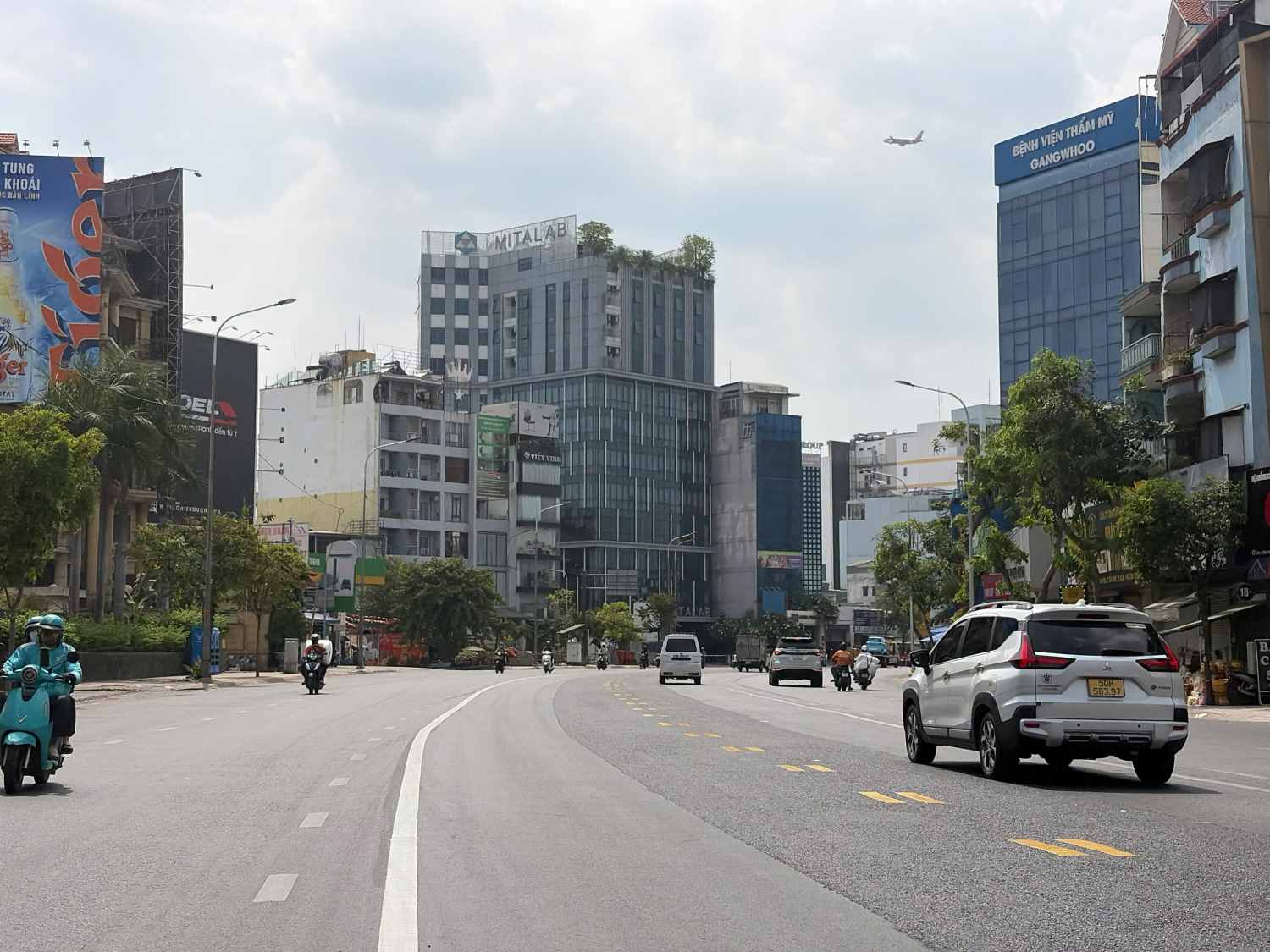
According to the Ho Chi Minh City Department of Construction, the removal of the median strip to implement a flexible lane separation plan according to the time of day on Cong Hoa street (3-way street), is expected to be completed before May 15, 2026.
Cong Hoa Street from Truong Chinh Street to Lang Cha Ca steel overpass will be renovated, and the concrete median strip will be demolished to add a lane in the middle. This lane allows vehicles to travel in both directions, but will be regulated at different times to optimize the exploitation capacity of the route.
For example, during morning rush hour, the middle lane will serve the direction from An Suong area to the center of Ho Chi Minh City. Conversely, in the afternoon, this lane will reverse direction, prioritizing vehicles from the center going to An Suong intersection.
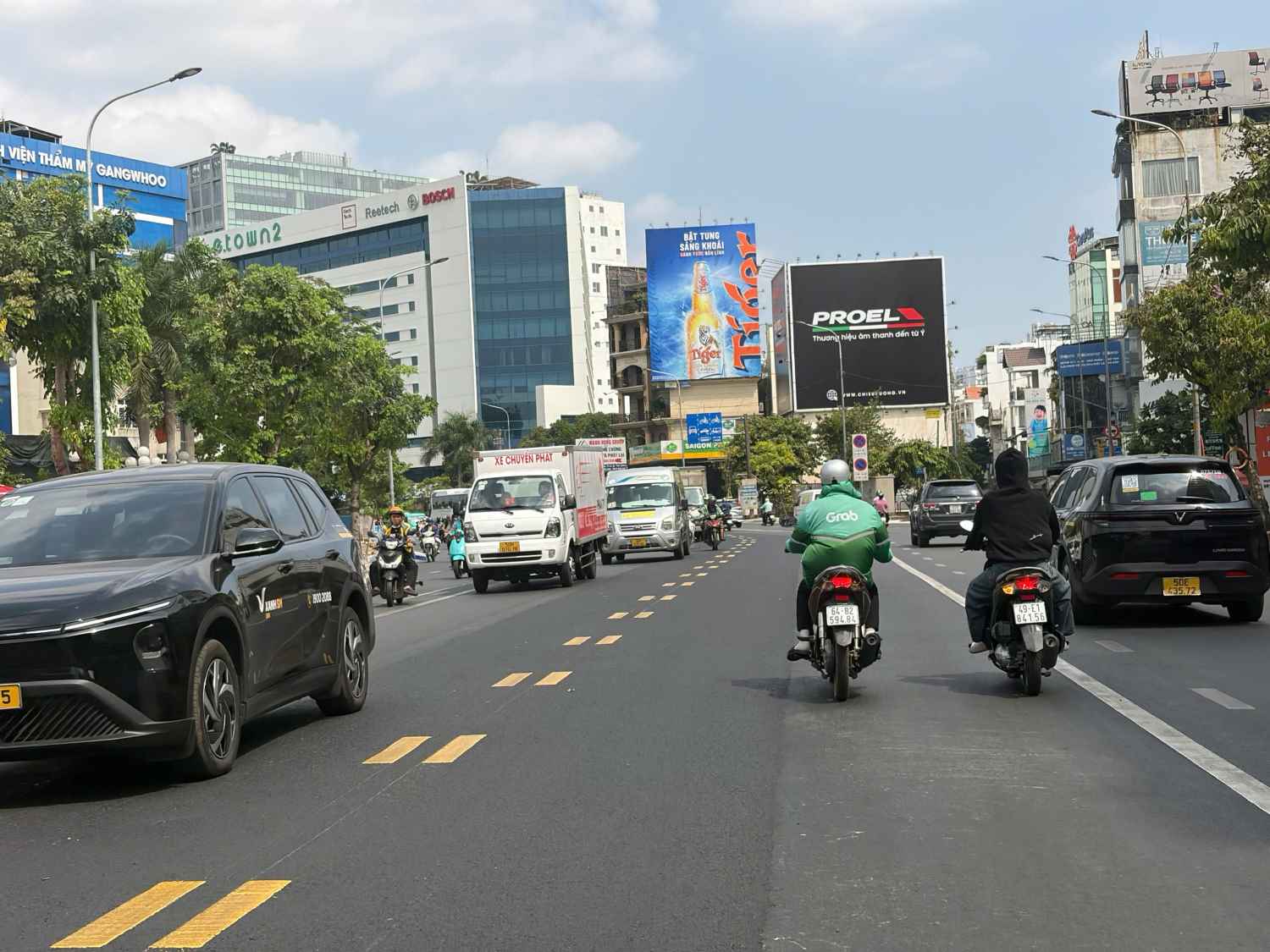
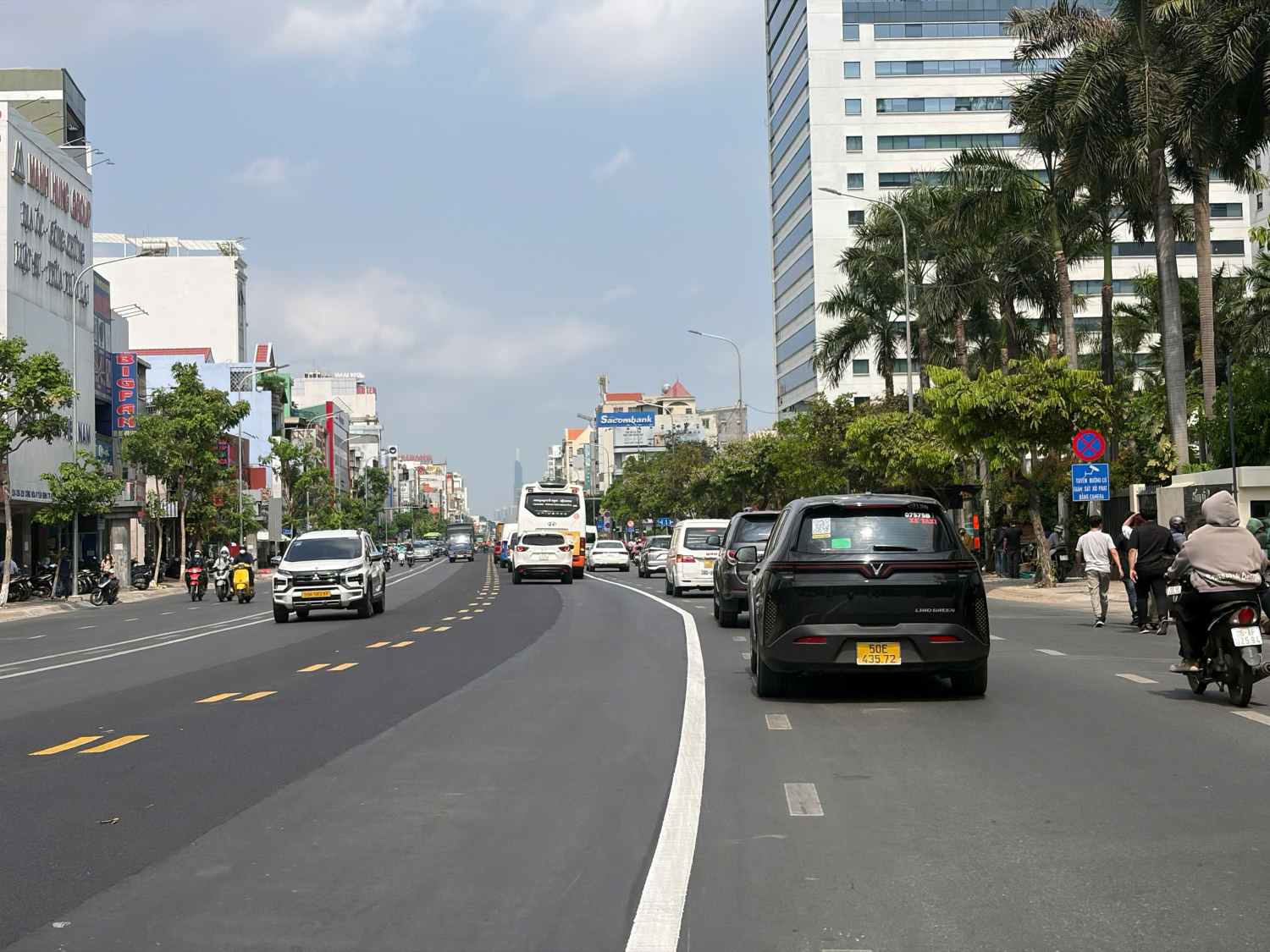
Cong Hoa Street is a vital traffic axis connecting the Northwest region with the center of Ho Chi Minh City and the Tan Son Nhat airport area. However, this route is often overloaded, especially during peak hours.
According to data from the transport sector, the traffic volume on the route has exceeded about 142% compared to the designed capacity. Therefore, just a small collision can cause prolonged congestion.
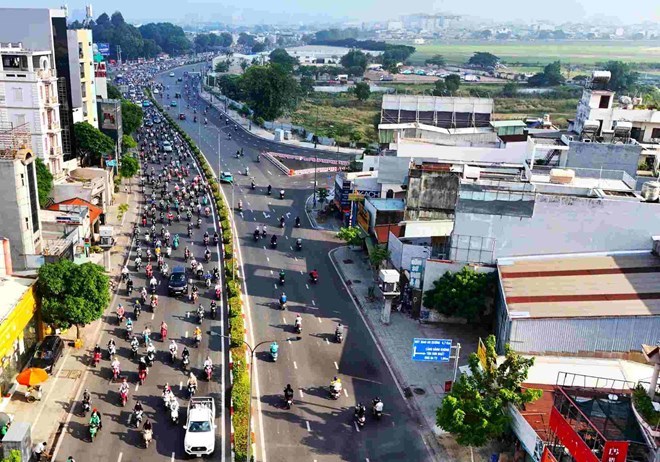
Notably, the Cong Hoa - Hoang Hoa Tham intersection area, although it has been invested in a steel overpass, is still a "hot spot" for congestion, due to the dense traffic density and complex intertwined traffic flow.
The reorganization of traffic according to the 3-way model is expected to contribute to reallocating vehicle traffic over time, thereby reducing pressure on the route and improving the connectivity of the Tan Son Nhat airport gateway area with the city center.


