From friend requests to investment traps
In the role of a man who needs to find a girlfriend on social networks, Lao Dong reporters recorded that after only a short time, many Facebook and Zalo accounts actively sent friend requests and texted to get acquainted.
The common point of these accounts is that they all use eye-catching profile images, personal information is built quite meticulously with a luxurious life and attractive appearance. After successful connection, accounts quickly start conversations with questions about life, work, and hobbies to create a feeling of closeness.
In the early stages, the conversation takes place naturally as if it were between new acquaintances. The other person often asks questions, shares personal stories, creates a sense of interest and gradually builds trust. However, after only a short time, the conversation content begins to shift to more private topics. Some accounts suggest video calls, private conversations or sharing about a wealthy life and success in financial investment.
According to the Cyber Security and High-Tech Crime Prevention Department of Can Tho City Police, recently the unit has received many complaints from people about the form of fraud "forging lovers to seduce investment". This is a new fraud method implemented with high technology with sophisticated tricks, taking advantage of the psychology, feelings and trust of victims to appropriate property.
Warnings from the police agency, subjects often use social media accounts, messaging applications or online dating platforms with attractive images and carefully invested personal profiles to actively make friends.
After a long period of chatting, caring and building emotional relationships, the subjects began to introduce stable jobs, a comfortable life and "secrets" to making money from investment channels such as electronic money, international stocks, foreign exchange or online investment projects.
To create trust, victims are often instructed to invest small amounts of money and can withdraw a portion of the profit. Once trusted, they continue to deposit larger amounts of money. At this time, the transaction system suddenly reports an error or requests to pay more fees such as account verification, unlocking, upgrade or tax to withdraw money. When the victim is unable to transfer money or recognizes unusual signs, the subjects immediately cut off contact, lock the account and erase all traces.
How to recognize website and fraudulent applications
Analyzing from a cybersecurity perspective, Mr. Tran Hai Long - an AI Scientist Brickteck JSC expert - said that this is a form of fraud combining psychological attack and financial appropriation. According to Mr. Long, when participating in private conversations or accessing sensitive websites, many people have a psychology of fear of personal information being leaked. This is what makes victims easily manipulated and afraid to report when detecting unusual signs.
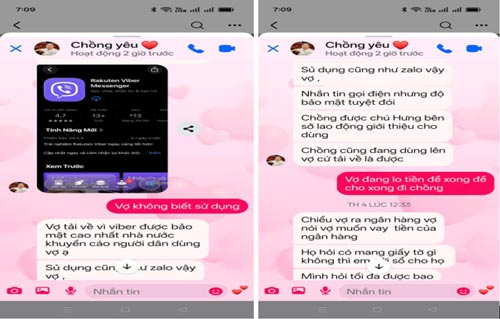
Notably, some subjects also require victims to download fake applications to participate in investment or verify accounts. After being installed, these applications can steal personal data, bank OTP codes or account information, thereby appropriating money.
According to experts, users need to be vigilant right from the stage of accessing the internet. Many fraudulent websites can be recognized through abnormal domain names, containing spelling errors or using less common suffixes such as ". xyz", ". vip", ". top".
Can Tho City Police also advised people to be especially careful with accounts that only know each other online but always avoid direct meetings, often using the excuse of living abroad or being busy with work.
In addition, all investment invitations with high profit commitments, "unable to lose money", requesting urgent money transfers, keeping it secret from relatives or continuously paying additional fees to withdraw money are typical signs of fraud.
People absolutely do not transfer money, do not invest according to the introduction of people they only know online; do not provide personal information, bank account information, OTP code and do not perform operations according to the instructions of suspicious subjects.