
Coordinates" only found in memory
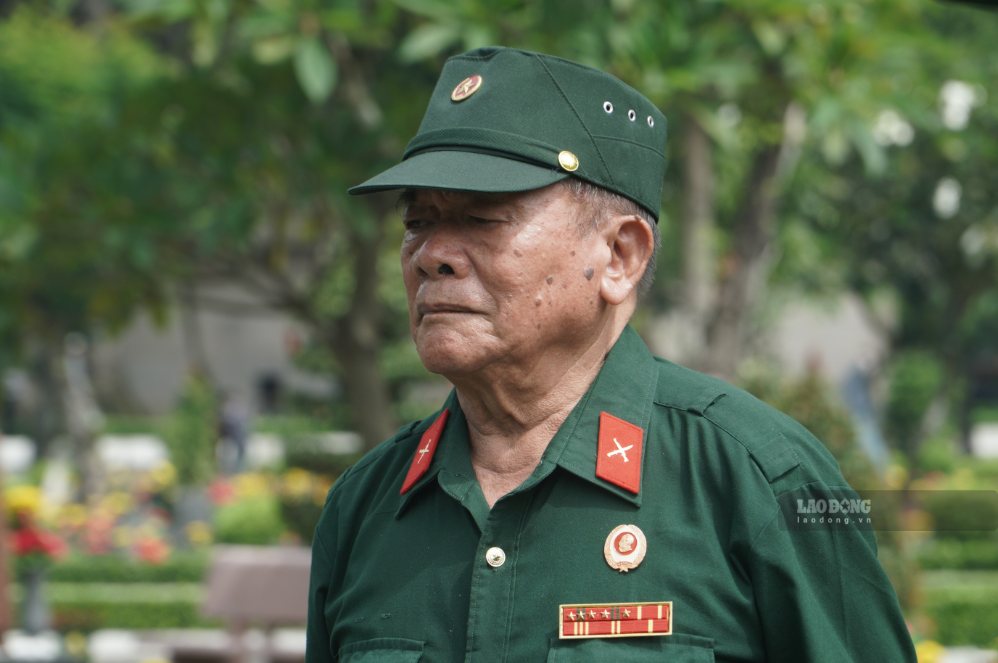
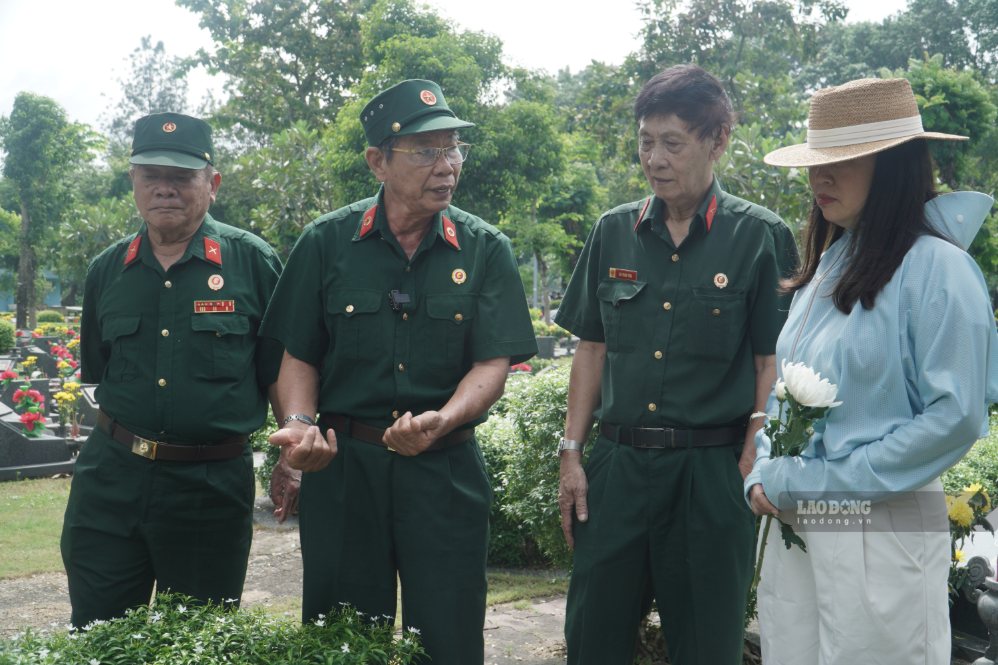
Standing and looking at 4 collective graves in the Ho Chi Minh City Martyrs' Cemetery grounds for a long time on the morning of July 26, veteran Pham Hung Ca (2nd Battalion, Regiment 268 - Cat Bi Corps, Hai Phong) with red eyes, remembered the days of being side by side fighting with his comrades.
Back then, the brothers were very young, only 16-17 years old, not knowing what love was, but the fierceness of the war caused many of my comrades to lie down on the battlefield, and have not been found until now," Mr. Ca choked up.
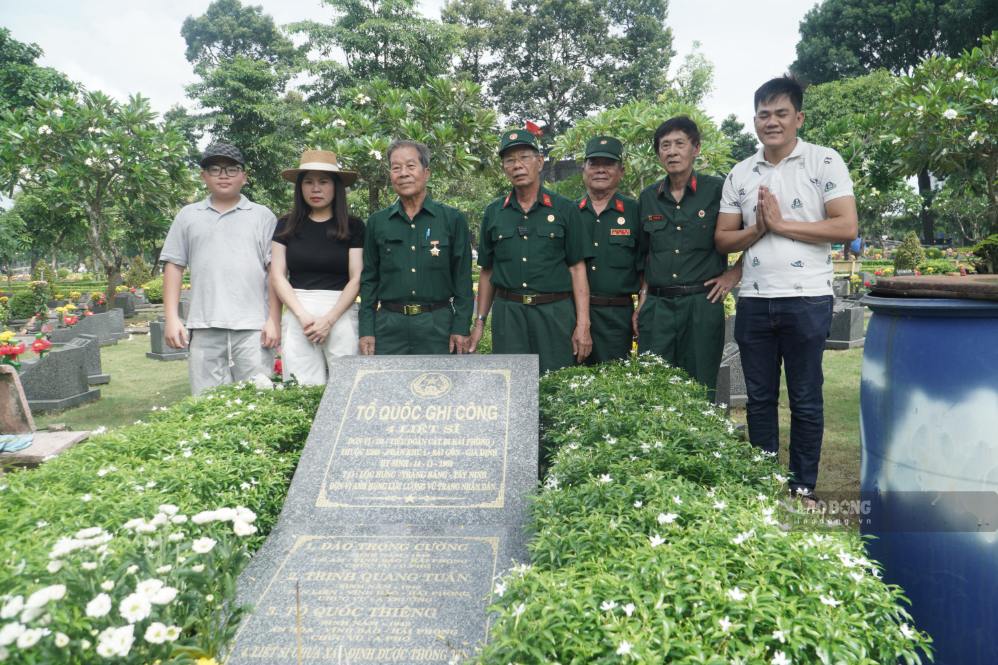
Mr. Pham Hung Ca is one of nearly 600 officers and soldiers of Battalion 2, Regiment 268 (Cat Bi Regiment - Hai Phong) who marched for more than 5 months from Yen Tu mountain to participate in combat in the "Iron Triangle" area of Cu Chi - Ben Cat - Trang Bang - one of the fiercest battlefields in the South during the anti-American resistance war.
The fierceness of the war just swallowed every wave of youth, causing many young soldiers to fall in the heart of mother earth one after another. On the triumphant day, the entire battalion of that day only had a few dozen people returning, carrying the fiery memories of a time of bombs and bullets with the oath: "Whoever is still alive, remember to bring my body back to mother!".
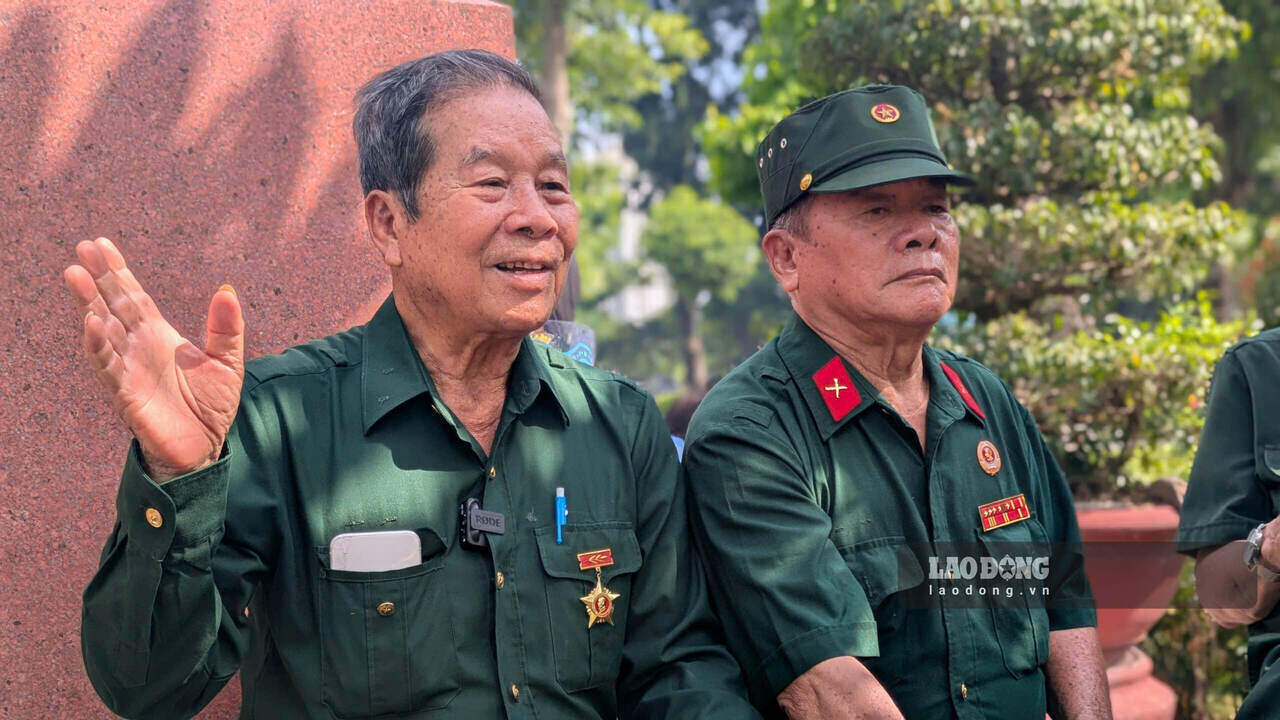
After 1975, we almost didn't know who was alive and who was dead. Only later did we find each other and then gather our brothers to go find the remains of our comrades," Mr. Ca recounted.
In the early days of searching for comrades, the group mainly relied on the memories of those who directly fought. There were battles where comrades sacrificed right next to them, so they remembered very clearly. After that, the group compared with local people.
He recounted that many times when the brothers returned to the place where the battle had taken place, they only vaguely remembered a bamboo row, a moat or a star fruit tree. Some points had to be dug twice but still could not be found. By the third time, after comparing the memories of comrades and the instructions of local people, they discovered the remains lying skewed to another corner of the land.
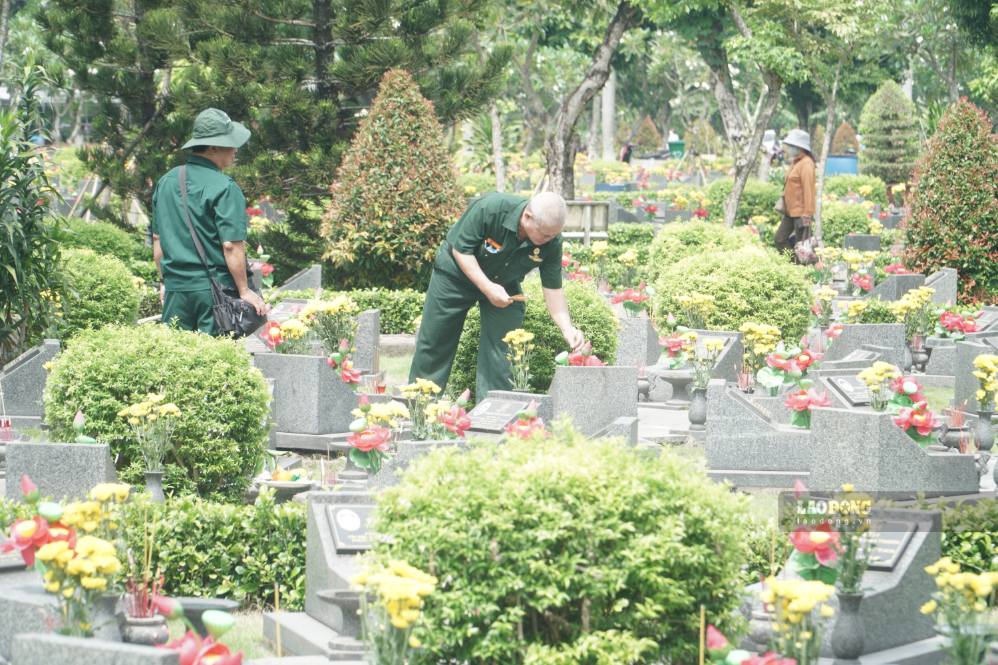
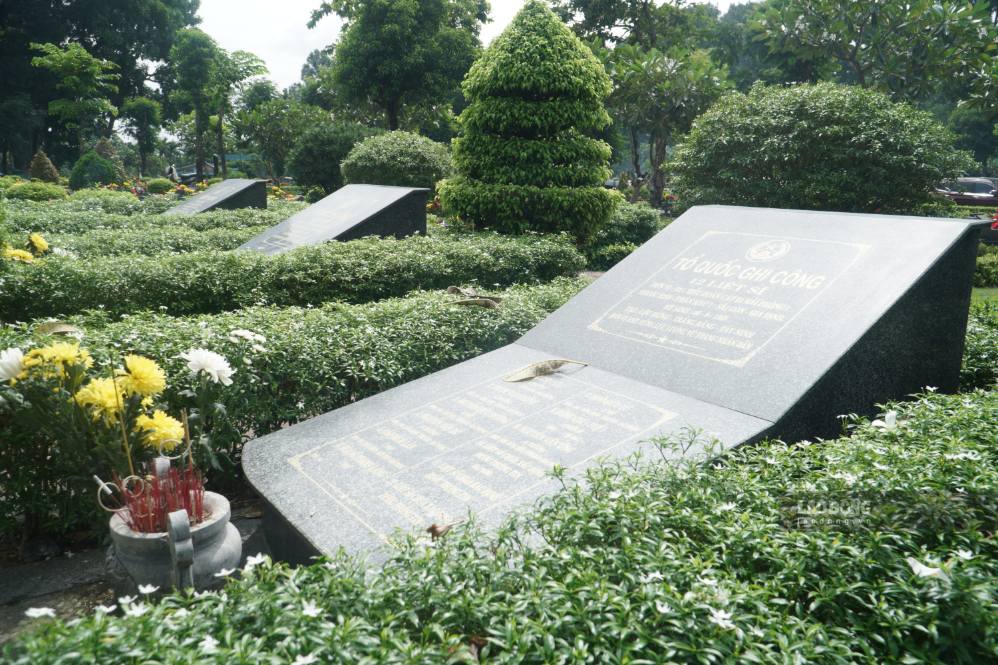
To find them, you must have many people who remember and compare. Comrades remember a part, but the people are the ones who witnessed the changes of that land for decades," Mr. Ca shared.
Besides the vivid memories of the people's hearts, the journey to find comrades also needs a "guideline" that is accurate to every detail through pages blurred by time.
One of the valuable documents that Mr. Ca still preserves to this day is the battalion's combat diary. In which it clearly records the time, location, diễn biến of each battle and the number of officers and soldiers who sacrificed.
“Every day, every month, where the battle is, how many people have sacrificed, we all have records. Those documents help the brothers compare memories and determine the scope of searching,” Mr. Ca said.
Found comrade's remains but... don't know who they are
Also participating in searching for the remains of his comrades with Mr. Ca was Dr. Tran Van Ban - unit of Battalion 342, Regiment 42, Command 350 (also known as Ta Ngan Military Region) - who was also present at the Ho Chi Minh City Martyrs' Cemetery this morning to pay tribute to his comrades who fell for the independence and freedom of the Fatherland.
Sitting and reminiscing about memories with his comrades, Mr. Ban teared up when mentioning the relatives of Hai Phong compatriots who he has not yet been able to find.
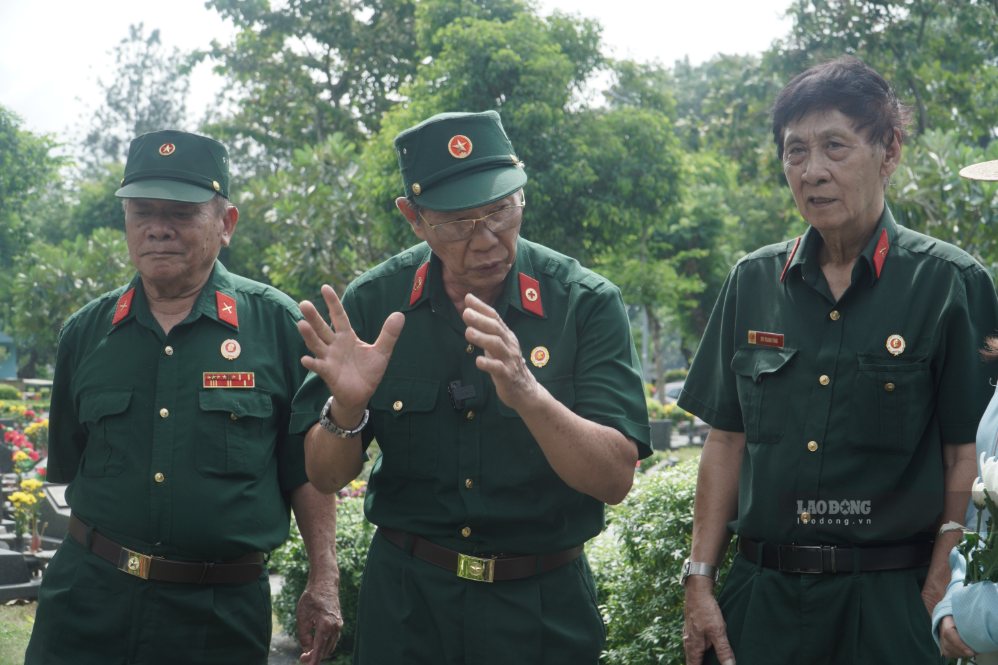
Every time I return to my hometown, I visit the families of the comrades who sacrificed in the war. One of the mothers whose sons fell on the battlefield held my hand and said: "You are still alive and returned, so where is my son lying? Can I bring my son's bones here?". That saying made me painful throughout my life and always tell myself that at all costs I must find comrades, bring my brothers back to their families, to their homeland," Mr. Ban choked up.
The journey to search for martyrs' remains has gone through countless hardships, but for the soldiers of the past, the most worrying moment was finding comrades but not being able to call them by their proper names.
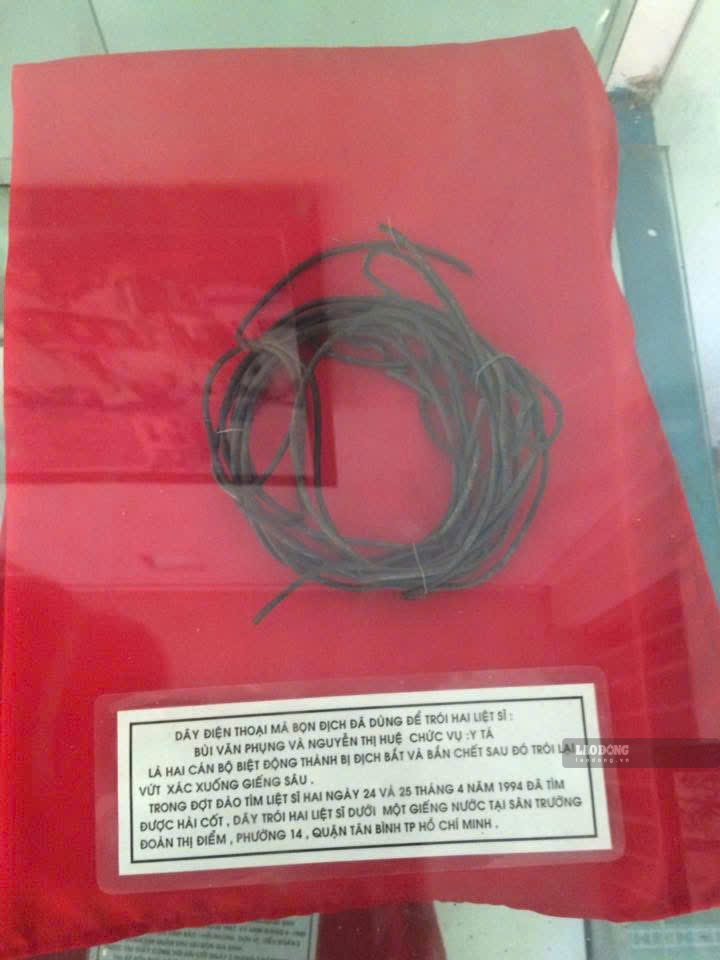
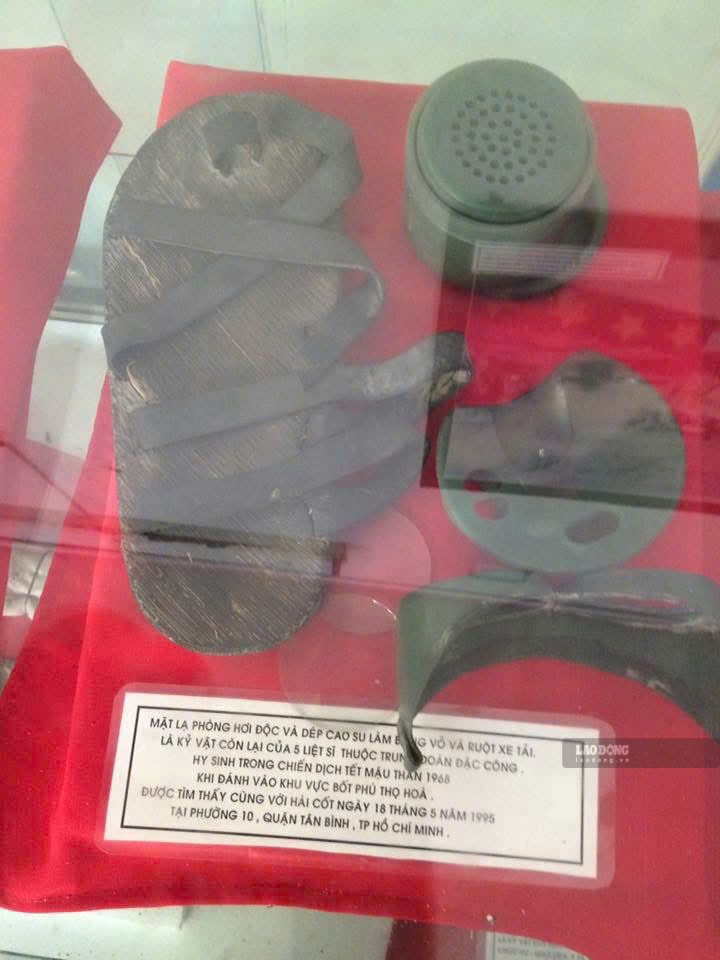
In the land bordering Cu Chi - Trang Bang, there were fierce battles that caused many soldiers to sacrifice on the same day and be buried in the same place. "After many years, we have returned with a full list of names, hometowns, enlistment dates, and death anniversaries of each person. But for now, there are still remains that have merged into the ground, and their identities cannot be determined," Mr. Ban said.
Looking at the present, Mr. Ban believes that the sadness of "seeing comrades but not being able to name them" will gradually be soothed thanks to the advances of science and technology. According to him, DNA testing is an important solution to restore the identity of the fallen soldiers.
I hope that the collection of DNA samples from relatives of martyrs and remains will be carried out synchronously, so that more and more families can welcome their loved ones back after decades of waiting," Mr. Ban shared.


