
More than half a century has passed since enlisting, the memory of the comrades who lay on the Quang Tri battlefield is still intact in the mind of female wounded soldier Doan Thi Phiem (74 years old, Hai Phong).
Memories of a female military doctor in the Quang Tri battlefield
In 1971, when she had just turned her youthful age, Ms. Doan Thi Phiem volunteered to join the army. After 5 months of studying and training in the North, in October 1971, she marched into the Quang Tri battlefield, assigned to the Treatment Team of Division 473, Truong Son Soldiers.
In her role as a nurse, her daily work is emergency care and care for wounded soldiers amidst continuous bombing raids.
After 1973, when Division 473 was reorganized, she was transferred to be the Platoon Leader of Quang Nam Transit Warehouse, in charge of receiving, loading and unloading and transporting goods and weapons to the southern battlefield.
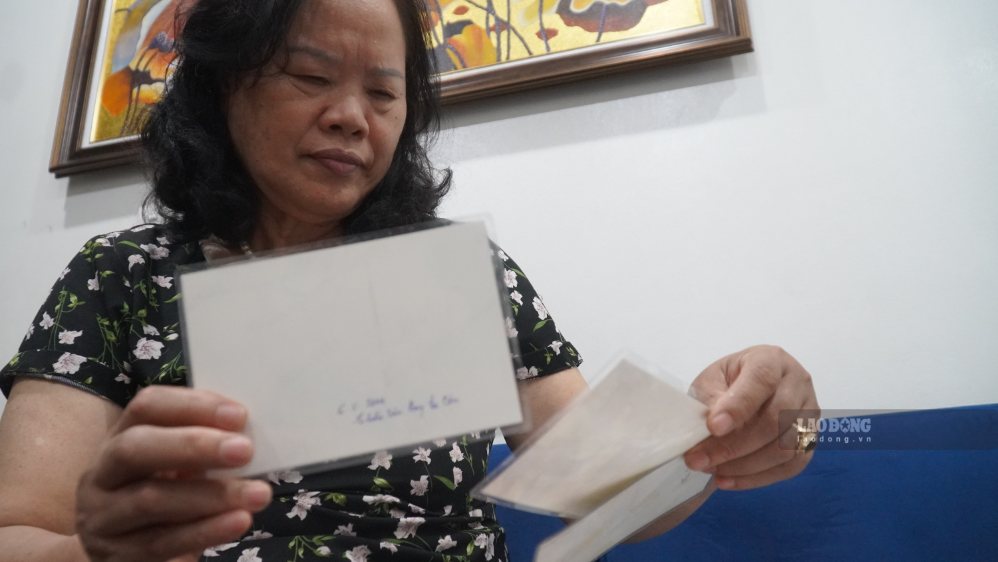
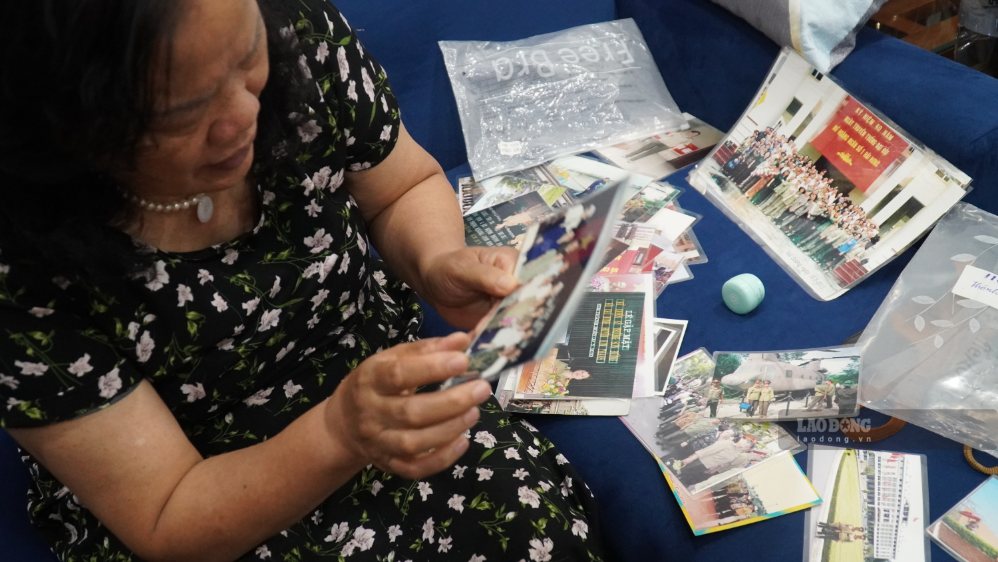
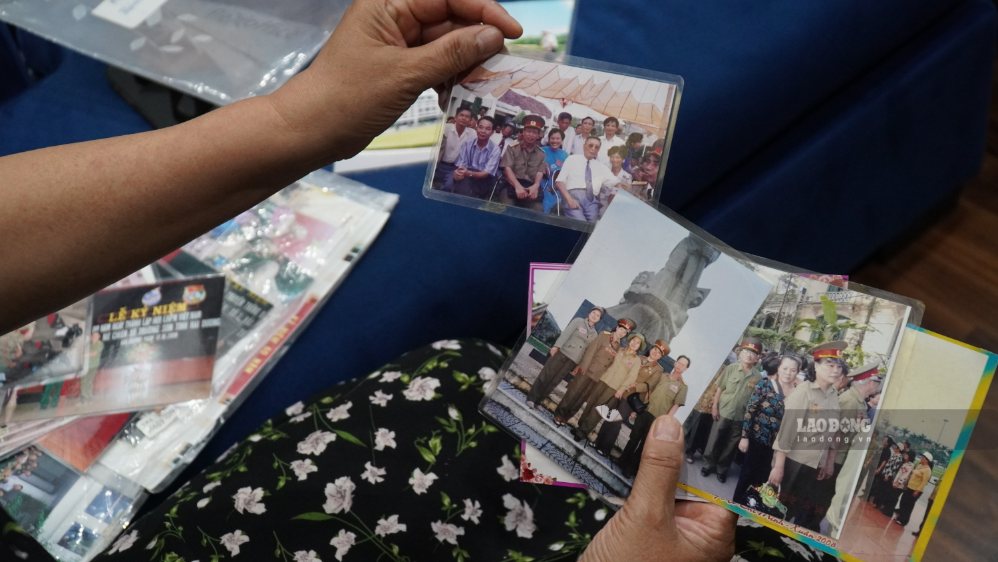
Recalling those days, she recalled the nights she was sleeping in the A-shaped bunker, as soon as there was a bombing signal, the entire unit immediately put on an ambulance bag and rushed to the emergency room.
There were times when we just stepped out of the shelter when bombs exploded right next door. However, as soon as we received orders, we immediately rushed to the area where there were wounded soldiers to rescue people, regardless of the lurking danger," she recalled.
As a military doctor on the battlefield, Ms. Phiem witnessed countless comrades and comrades who had sacrificed themselves. Some people who had just stood and talked for a few minutes before, just stepped out of the bunker and were hit by bombs and sacrificed. There were also people who had fallen trees, overturned vehicles, landslides or accidents when opening roads for vehicles to go to the front lines...
There are people who went through life and death together, once shared a sip of water, a piece of dry rations, just after a bomb attack, a shelling, they never returned. For those who are still alive, that memory is an imborrable mark.
Memories through wounds
According to Ms. Doan Thi Phiem's account, in 1972, while on duty in a hilly area (Quang Tri), the enemy dropped bombs where she and her comrades were marching, the pressure of the bomb made that veteran unconscious right at the battlefield.
The serious wound forced doctors to open the trachea for Mrs. Phiem to save her life. Despite experiencing the imminent moment of life and death, after her health gradually recovered, the young female military doctor of that year did not choose to leave the army but continued to stick to the battlefield, standing side by side with her comrades, day and night providing emergency care and taking care of the injured soldiers in the rain of bombs and bullets.
The mission of a military doctor is to save as long as there are people," she shared.
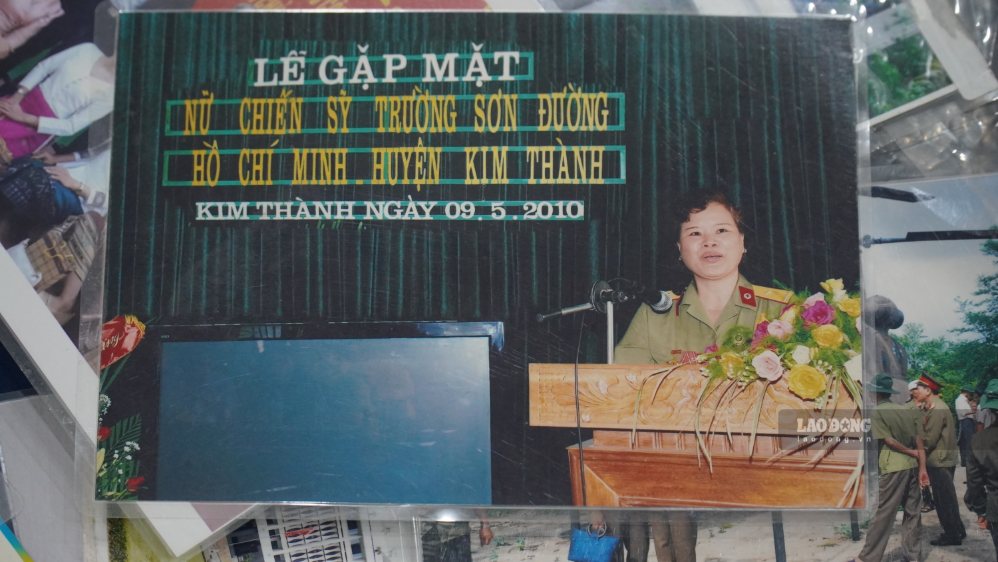
Many years later, she completed her dossier and in 2011 was recognized by the State as a wounded soldier.
Not only suffering from war injuries, her time working in Quang Tri - one of the areas heavily sprayed with chemical toxins - also left prolonged sequelae for her health.
After the examination process, she was confirmed to be a resistance activist exposed to Agent Orange, carrying the consequences of the war until today.
Returns to the old battlefield
For Mrs. Phiem, every time she returns to Quang Tri or Truong Son Cemetery on July 27, she carries a very personal feeling.
She remembers most the trip back to Truong Son Cemetery around the 2000s with a delegation of Truong Son Army veterans.
She recalled that the whole day it rained very heavily, but in the evening, when the gratitude art program began and the host said: "Today we sing for you", the unexpected rain gradually subsided and then only drizzled.
I am not superstitious, but at that time everyone felt like the souls of heroic martyrs, brothers and comrades were listening to the gratitude of those who remained like us," Ms. Phiem emotionally recounted.
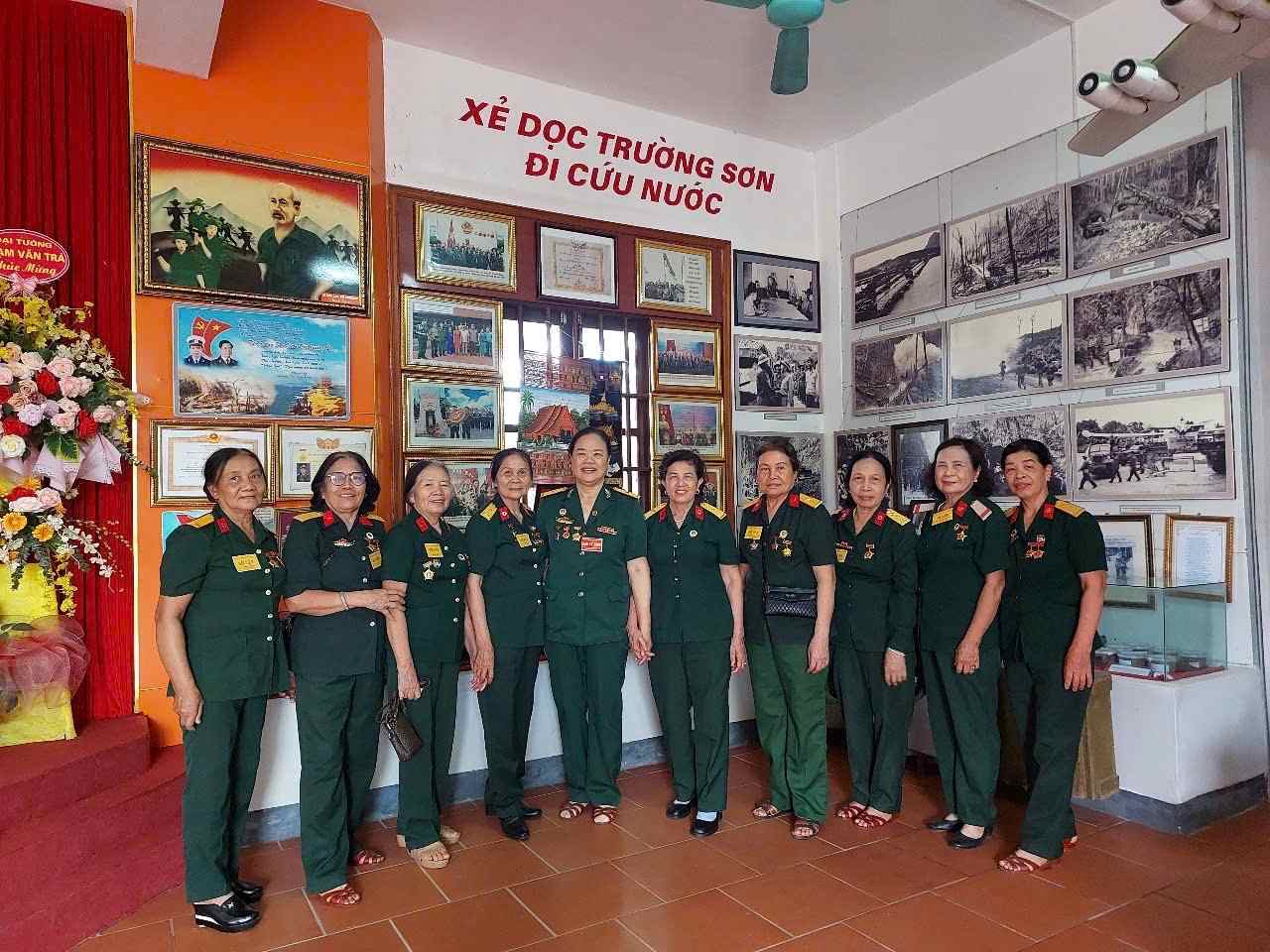
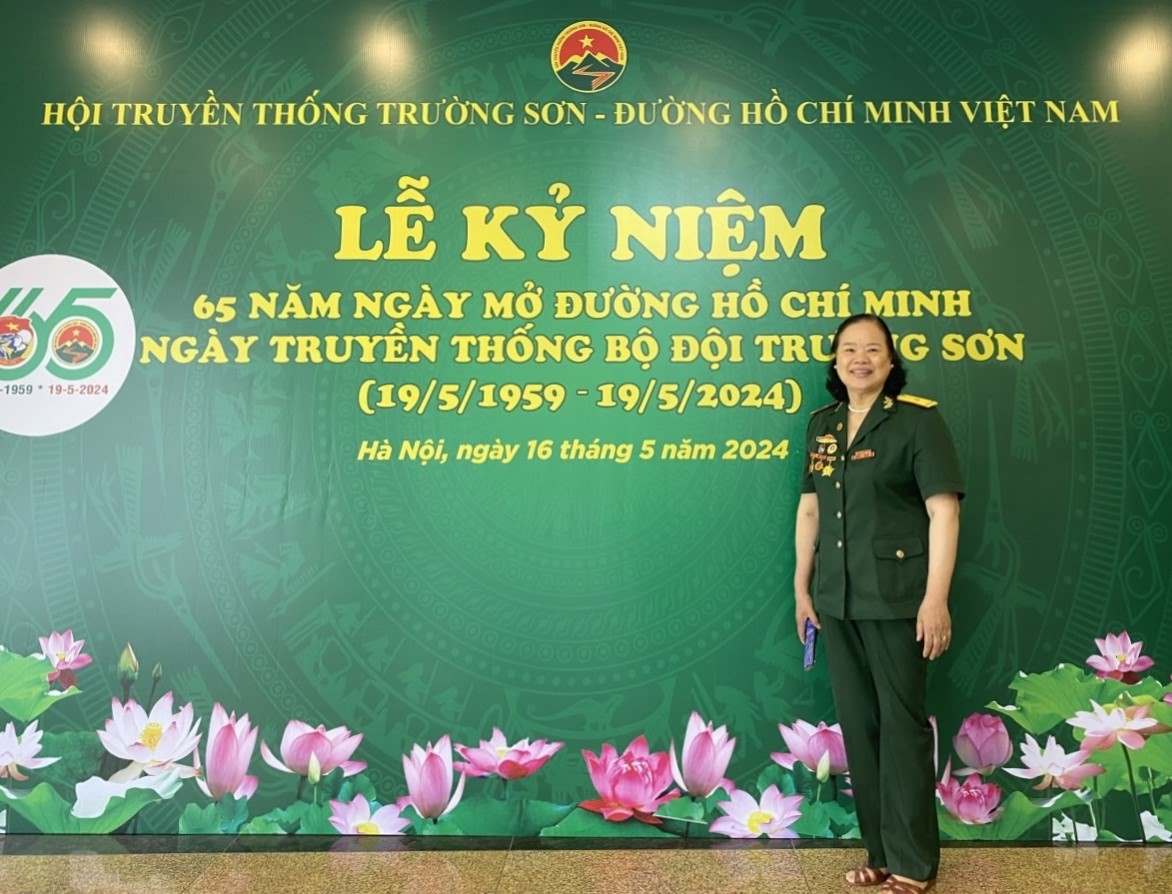
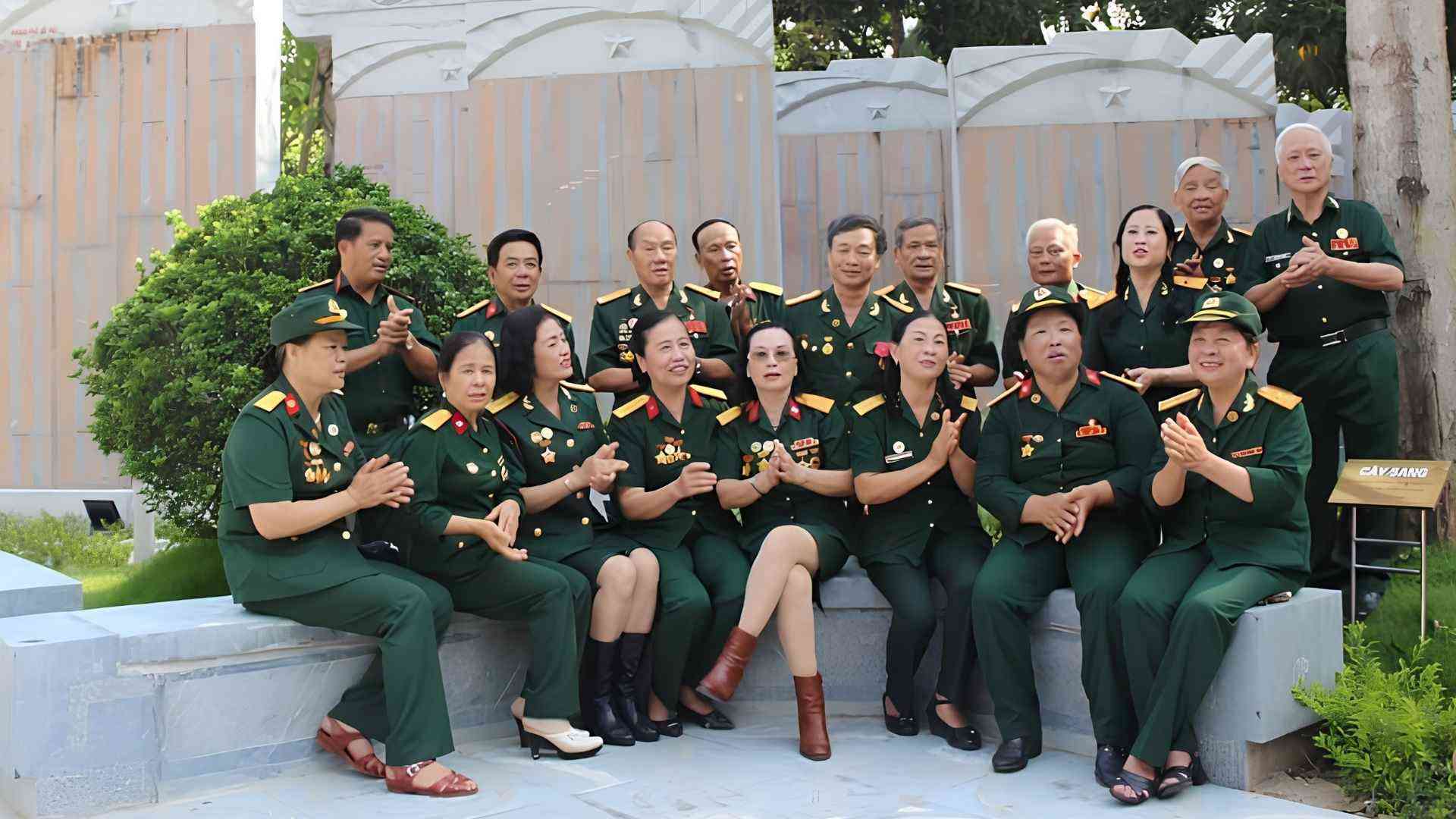
The war has receded for more than half a century, but in the memory of female war invalid military doctor Doan Thi Phiem, the sound of bombs, emergency cases overnight and images of fallen comrades are still intact.
For her, each trip back to the old battlefield is not only a journey of gratitude and remembrance for the comrades who sacrificed, but also an opportunity to remind today's generation about the value of peace exchanged for the blood and bones of so many generations.


