
The Dong Bong regulating lake project is entering the completion phase with many important items being accelerated. When put into operation, the project is expected to contribute to improving drainage capacity and reducing the risk of flooding for the western area of the Capital.
Me Tri regulating lake, also known as Dong Bong 2 lake, has a total investment of nearly 400 billion VND, built on an area of about 17.2ha, of which the water surface area is about 12ha. The project has a total length of the lake embankment of nearly 1,950m.
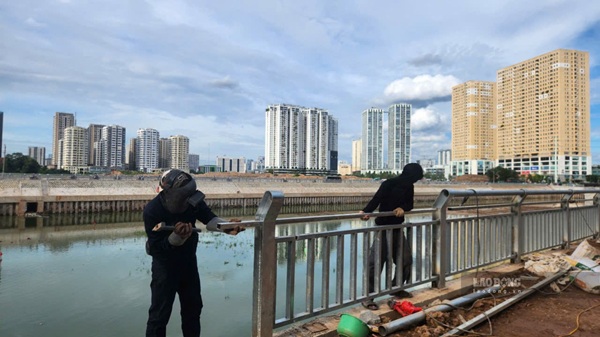
This is one of the key drainage infrastructure projects of Hanoi City in an area with rapid urbanization, concentrating many residential areas and large construction projects such as Me Tri, My Dinh, Trung Van and Dai Mo.
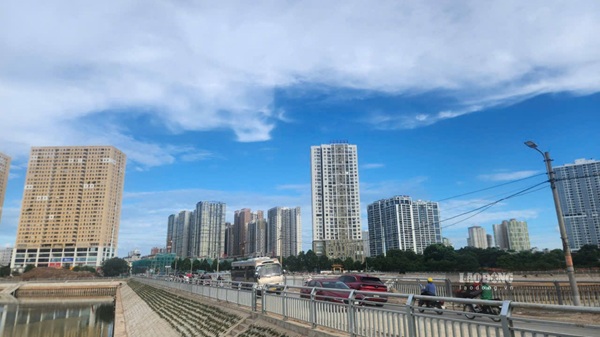
According to records at the construction site, the volume of lakebed excavation with more than 615,000m3 of soil has basically been completed. The prestressed concrete embankment system, regulating culverts, inter-reservoir culverts and drainage connections with To Huu road and Dong Bong canal are being deployed synchronously.
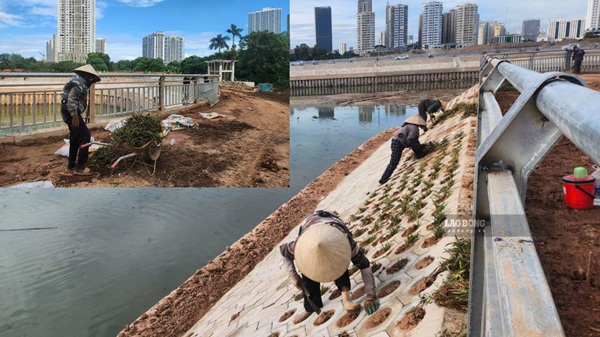
Up to now, many items such as dredging the lakebed, embankments, walking paths, railings and technical infrastructure systems have gradually been completed. Construction units are focusing manpower and equipment to accelerate progress and soon put the project into operation.
After completion, Dong Bong 2 reservoir will take on the function of receiving and regulating rainwater, contributing to reducing the load on the existing drainage system, limiting flooding in residential areas and nearby roads, especially during heavy rains.
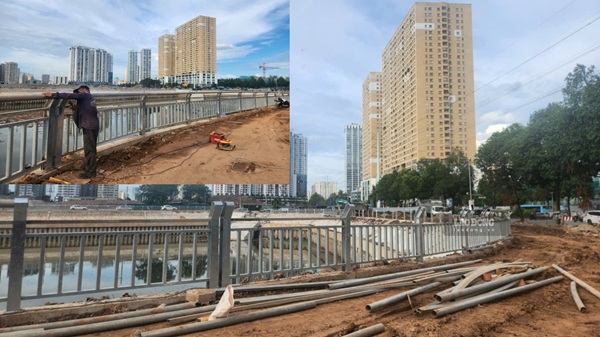
Not only playing the role of a flood control project, the project also adds water surface and green space, creating more public space for the Me Tri - Trung Van area. The lake is located near many important traffic axes such as To Huu street, Trung Thu - Cuong Kien route and Thang Long Avenue, contributing to completing urban infrastructure in western Hanoi.
The gradual formation of Dong Bong 2 lake is expected to create more green space, improve the urban landscape, and at the same time enhance the capital's ability to respond to the increasingly complex developments of heavy rain and flooding.


