
At the preliminary review conference, evaluating the results of fire prevention and fighting and rescue after a year of implementing the two-level local government model of the Hanoi People's Committee, Vice Chairman of the Hanoi People's Committee Do Anh Tuan requested localities to drastically handle unsafe works, boarding houses, and illegal warehouses on agricultural land. For slow-moving violating establishments, localities need to apply strong measures such as cutting off electricity and water.
Mr. Do Anh Tuan assessed that after more than a year of implementing the two-level local government model, fire prevention and fighting in Hanoi has achieved many positive results, and the number of fires has decreased by more than 35%.
However, in reality, the risk of fire and explosion is still latent, especially in boarding houses and warehouses illegally built on agricultural land and project land.
For example, in Thanh Liet ward, these warnings are still present. Because immediately after the above Conference, on the afternoon of July 25, a large fire occurred in an illegal factory built on agricultural land next to Vu Duc Uy street, burning nearly 1,800m2 of factory and goods, machinery.
More than 10 days later, a fire continued to occur near this area at a scrap collection store. Notably, illegal factories have been operating and existing for many years, posing a risk of fire and explosion and affecting residential areas.
Before the information reflecting the situation of hundreds of factories and warehouses surrounded by corrugated iron close together, built in Thanh Liet ward, including many facilities storing flammable materials, posing a risk of fire and explosion, the Chairman of Hanoi City People's Committee requested inspection and handling.
In which, Thanh Liet Ward People's Committee is assigned to preside over and coordinate with relevant units to urgently inspect and clarify the reflected content; and at the same time strictly handle violations (if any) according to legal regulations.
However, a field survey by reporters shows that in some areas, warehouse and factory operations are still taking place publicly.
Difficult to thoroughly handle a series of hot spots of illegal factories in Thanh Liet ward
On Nguyen Xien street, especially going deep into alleys 286, 288... many temporary houses, warehouses, garages and car showrooms are built to serve business and production. The main works are enclosed with corrugated iron, tents are erected, containers are placed or temporary houses are built on land that is not used for the right purpose.
On November 9, 2024, Lao Dong Newspaper published an article "The current situation of a series of violations on Nguyen Xien street will be eliminated". At that time, Mr. Nguyen Van Lang, Vice Chairman of Tan Trieu Commune People's Committee (now Thanh Liet ward), said that the locality strives to basically thoroughly handle violations in the area by the end of 2024.
However, by the end of August 2026, many projects are still present.
Not only factories and car garages are operating bustlingly, but a series of badminton courts and pickleball courts are also appearing densely. Right near the headquarters of Thanh Liet Ward People's Committee, a large area is used as warehouses, factories and offered for rent at many prices (located in the Tay Nam Kim Giang project).
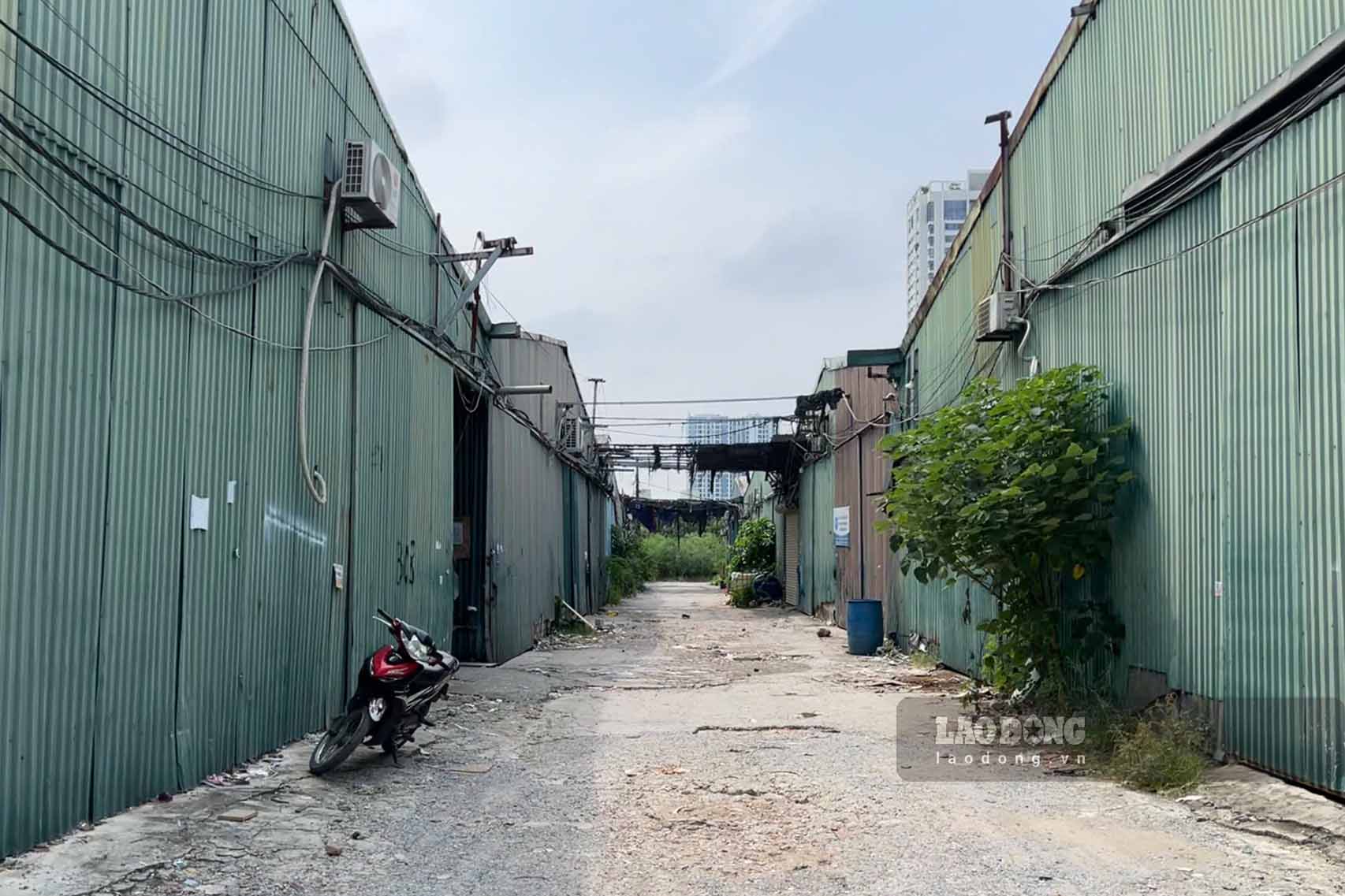
In the role of someone who needs to rent premises to store goods and serve production, reporters came to the warehouse area according to the instructions of a broker specializing in posting advertisements for factory rentals on social networks.
Through actual surveys, a series of inadequacies related to the origin of land, technical infrastructure, electricity production and fire safety conditions are exposed in this area.
From the outside, rows of factories with different areas are located next to each other. Goods gathering, production, and transportation activities are bustling.
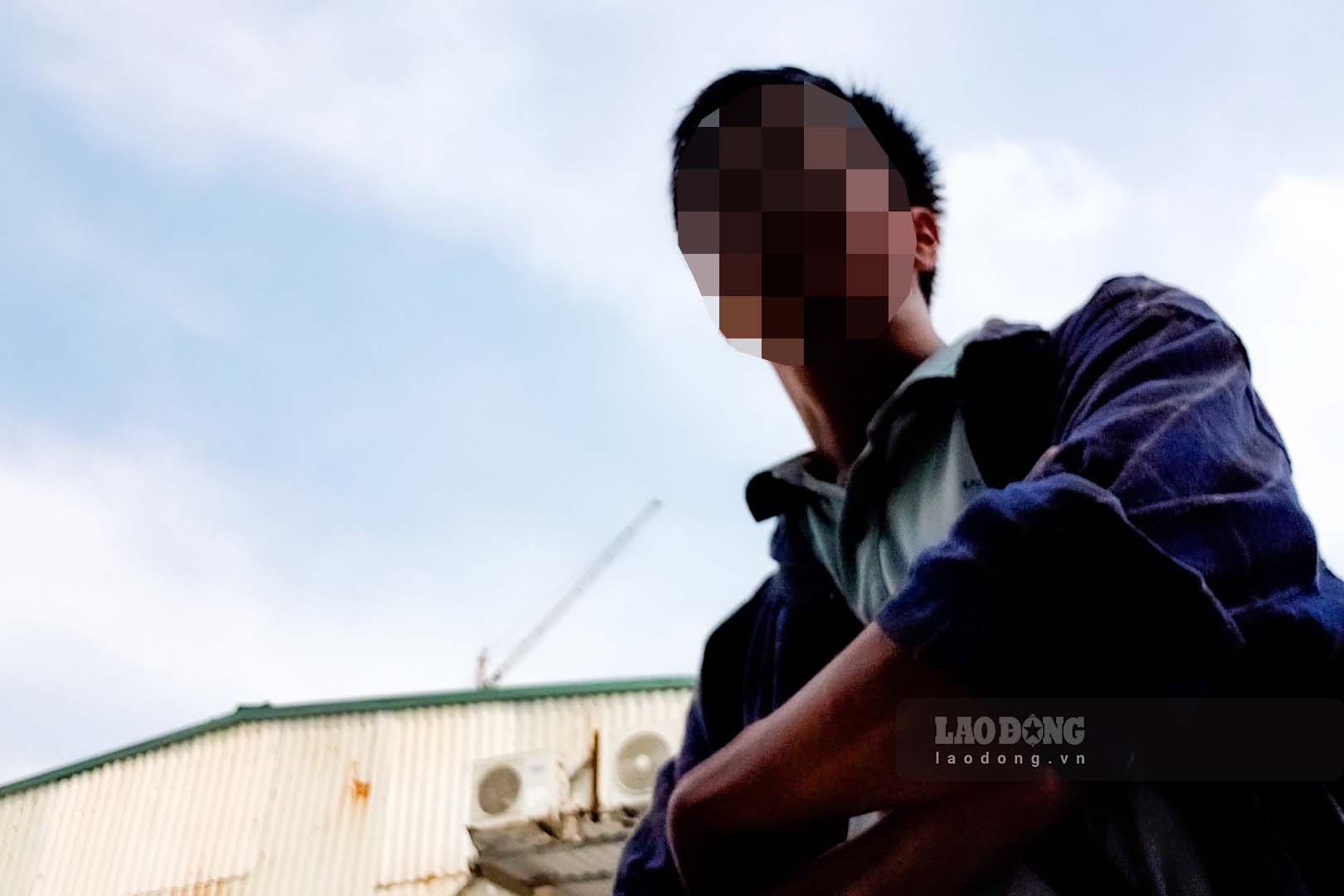
A broker introduced to reporters the premises of about 432 m2, asking rent of 80,000 VND/m2/month (equivalent to more than 34 million VND/month). When reporters asked about the stability of renting a workshop here, this person said that the area is located on project land but the investor has not recovered it, so the premises are still easily leased. However, this broker also admitted that because it is a warehouse located on project land, all kinds of procedures, papers... the facility will not support issuing value-added tax (VAT) invoices.
It is noteworthy that when reporters mentioned the option of placing containers for workers to stay to watch over goods, brokers immediately noted the issue of accommodation and fire and explosion risks.
According to this person, tenants can still arrange for workers to eat and stay at the factory, but should limit the number of people staying, especially paying attention to the use of gas stoves and sources that can cause fires.
In the area, adjacent factories mainly trade in furniture, spare parts, household appliances and items at risk of fire. The fact that establishments operate close together makes the risk of fire spread even more noteworthy if an incident occurs.
How to manage power sources to deal with functional agencies
One issue that reporters specifically recorded during the survey here was the electricity source for production.
According to brokers and some warehouse owners, many facilities in the area currently no longer have large-capacity 3-phase power sources. Some places only use 1-phase electricity, mainly to meet the needs of lighting, air conditioning and small-capacity equipment.
The authorities have cut off all electricity, so everyone is struggling with all sorts of plans. Now building a factory and still having 1-phase electricity is already precious," the broker told reporters.
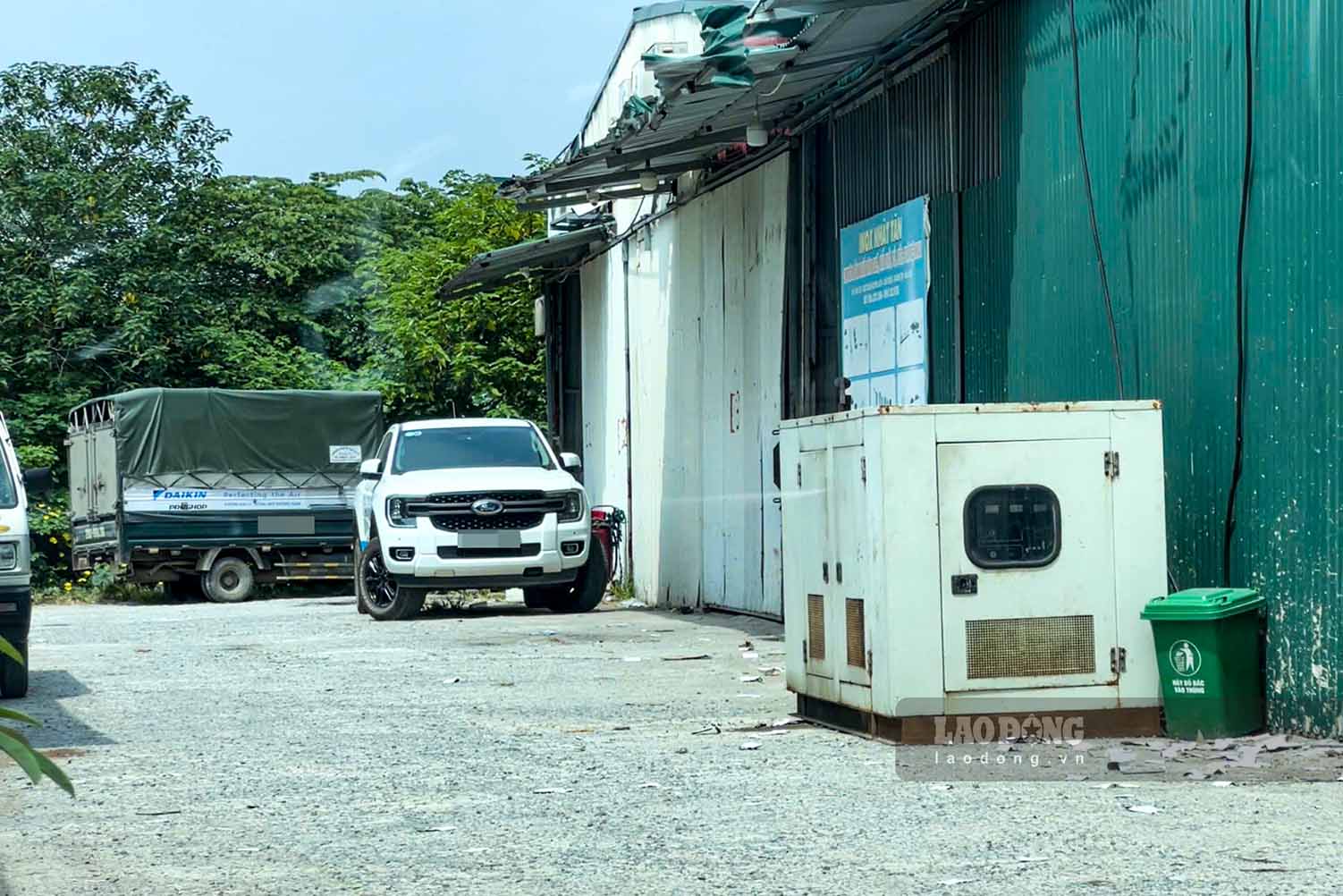
Also according to this person, solar power is being considered by some factory owners as a plan to replace the previous generator, and at the same time help maintain operation when the power source for production is cut off.
A workshop owner also said that instead of stopping operations, facility owners find ways to use other power sources to continue production. In which, solar power systems are prioritized for installation on the roofs of workshops.
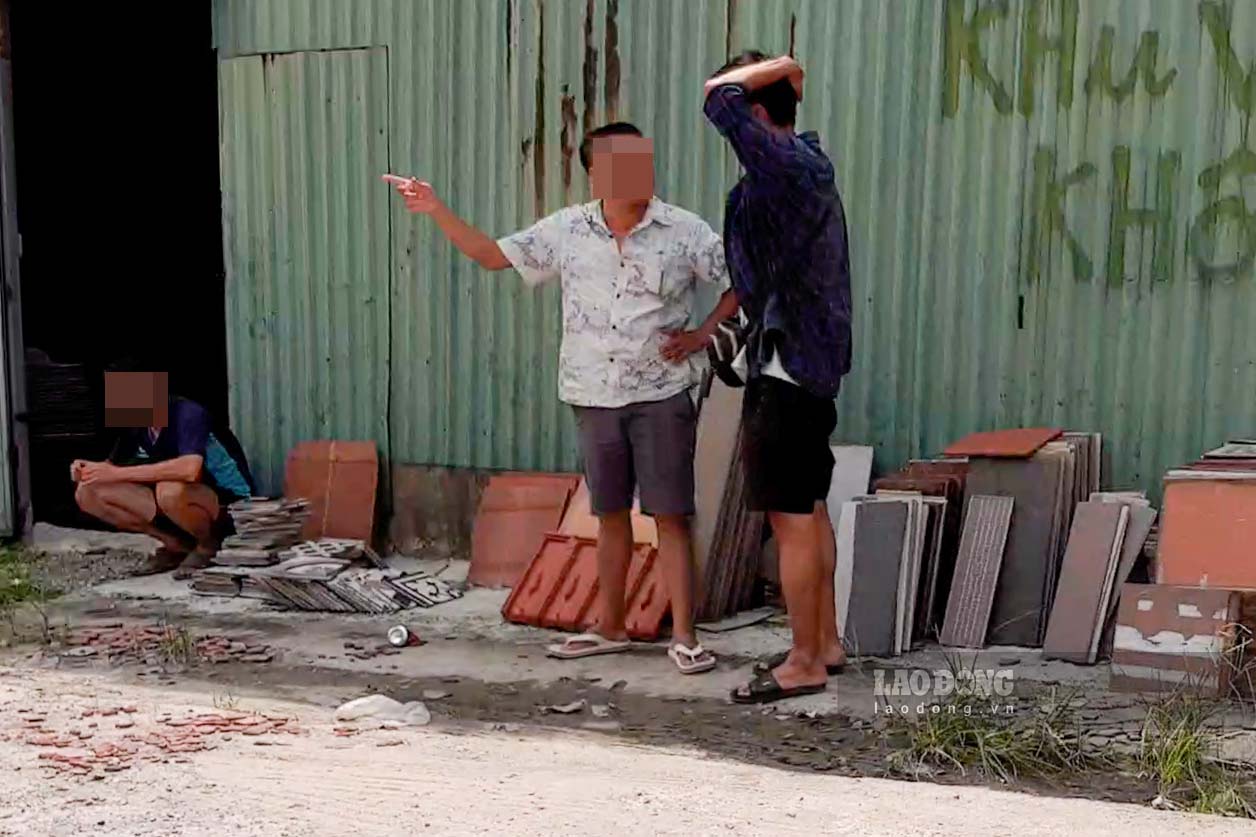
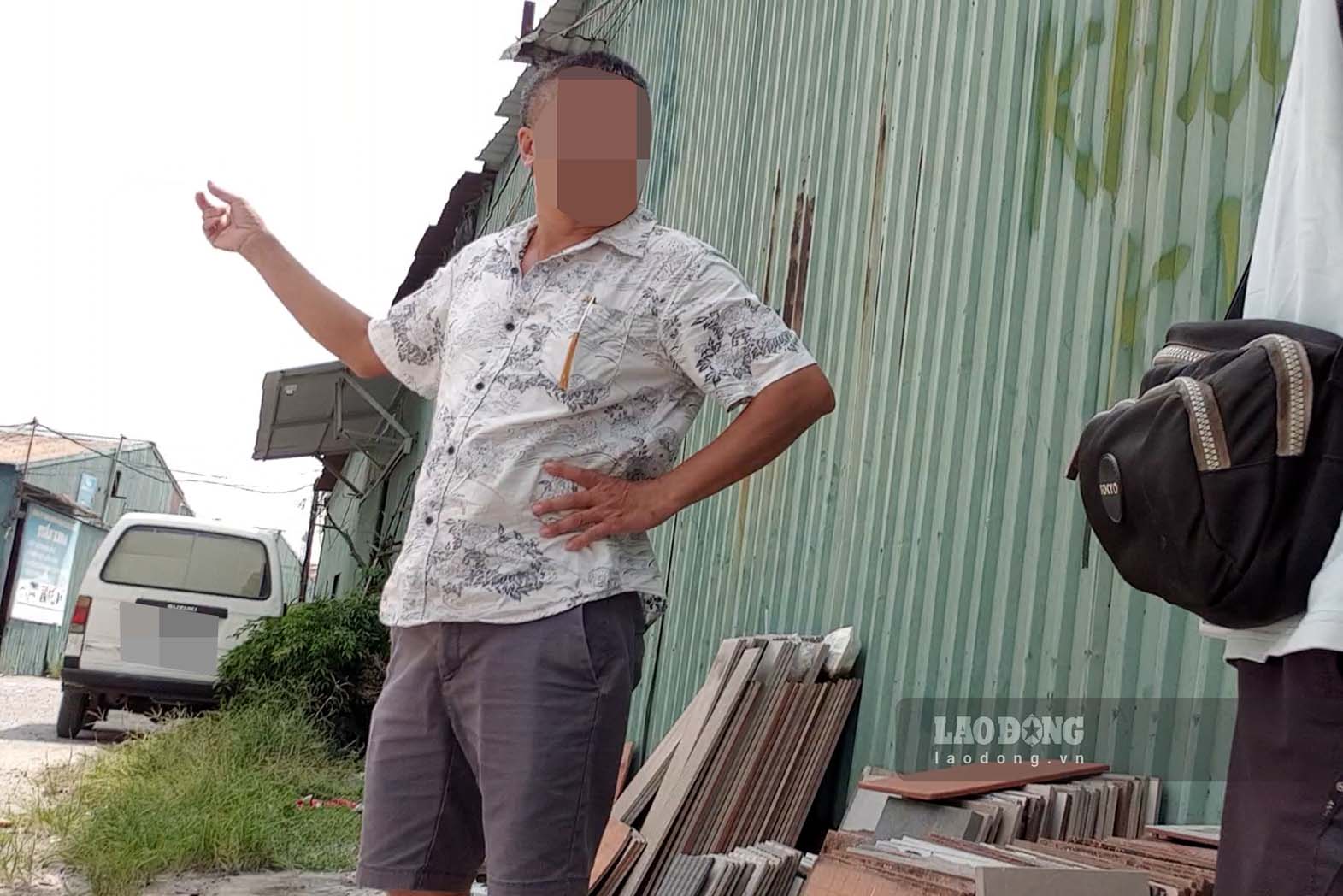
He also had to invest about 400 million VND to continue supplying electricity to the workshop through solar power with an inverter system and 3-phase electrical equipment. After installation, it can be used to supply electricity to machinery during the day, the operating capacity is introduced to be about 15-20kW," said the warehouse owner of this workshop.
Not only looking for a plan to maintain electricity, this workshop owner also appears quite confident in the face of the risk of land being recovered or construction being dismantled.
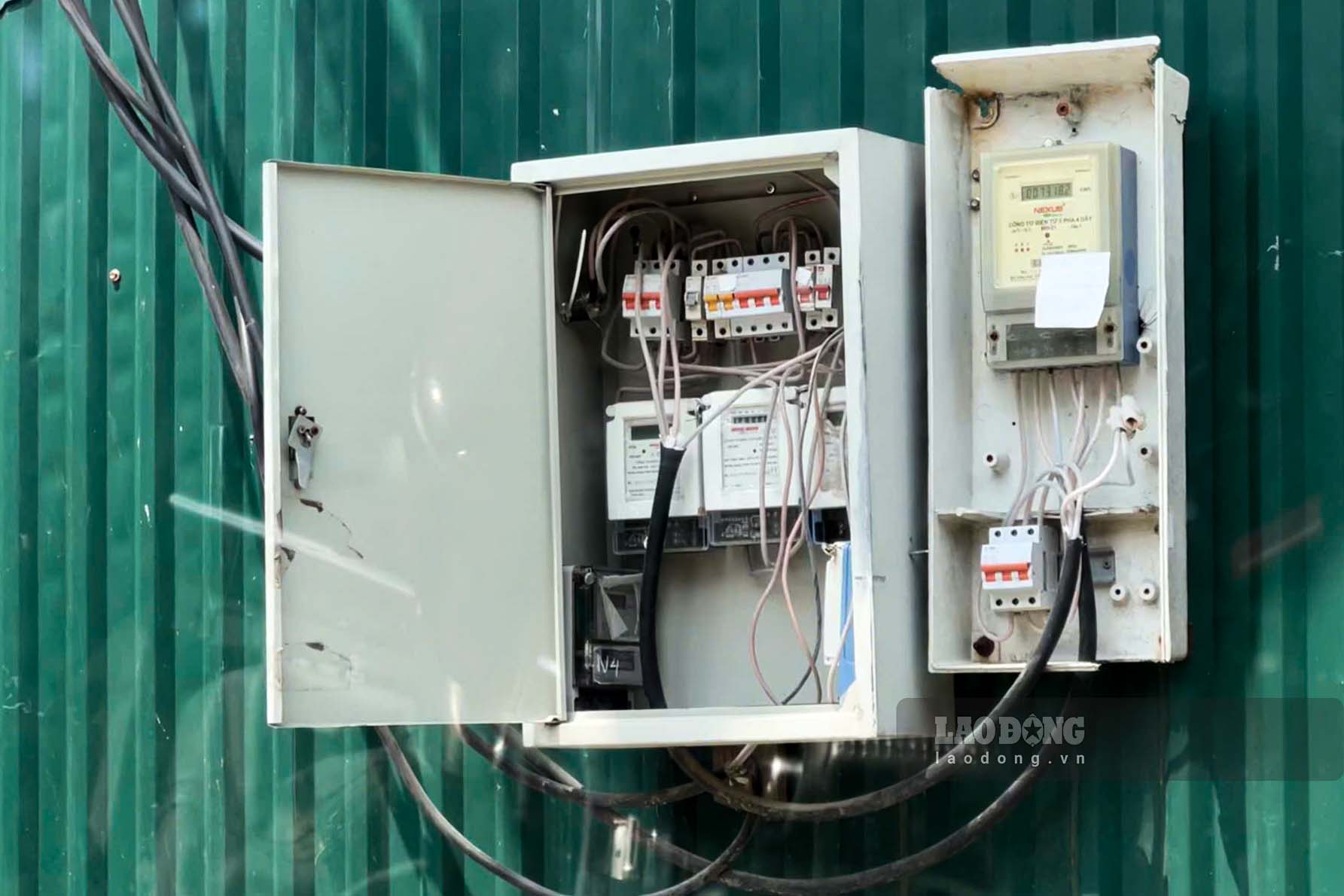
When reporters raised the possibility that the investment of hundreds of millions of VND in the electricity system could be completely lost if the premises were cleared, the workshop owner said he was "not afraid". This person affirmed that he had grasped information related to the land and believed that the investment could still be maintained, regardless of the risk of the premises being recovered.
In the context of the city requesting inspection and strict handling of illegal warehouses and allowing the application of strong measures against sluggish establishments, the reality in Thanh Liet ward shows that the gap between handling requirements and reality is still significant.
In particular, after consecutive fires in the area, the handling requirement is not only related to construction order or land management, but also directly related to the safety of people's lives and property, and the risk of fire spreading is still present in this area.


