
Send people to monitor the water
In Xua Long village, Pung Luong commune, Lao Cai province, small streams of water from streams creep through dirt ditches, flowing to each terraced field located halfway up the mountain. In March, at the beginning of the season, when the water supply is still limited, water regulation becomes a common task of the whole region.
Mr. Thao Su Tua - a reputable person in the village - said that the fields here are arranged differently, so water must be divided by the hour.
In the early days of the crop, there is little water, so households have to take turns taking water. The upper field has water first, then the lower field. If there is no agreement from the beginning, disputes can easily occur," Mr. Tua said.
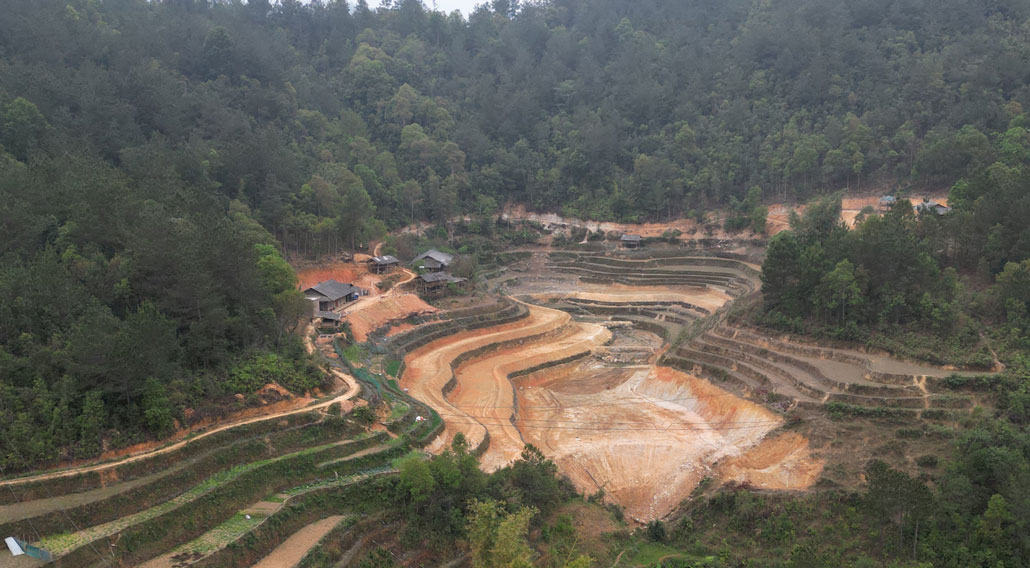
To avoid conflicts, people usually hold meetings, agree on the schedule of opening and closing ditches and assign people to monitor the water flow. When it is time, each household will lead water into their fields and then close it again to transfer water to another ditch line.
Thanks to this approach, water distribution in Xua Long has been orderly for many years, and everyone has water in time for land preparation and rice cultivation.
Difficulties in keeping water flowing to the fields
Mr. Thao A Chua's family in Xua Long village has about 2,000 m2 of terraced fields. The fields are scattered on the mountainside, so the entire water source depends on a dirt ditch leading from the stream.
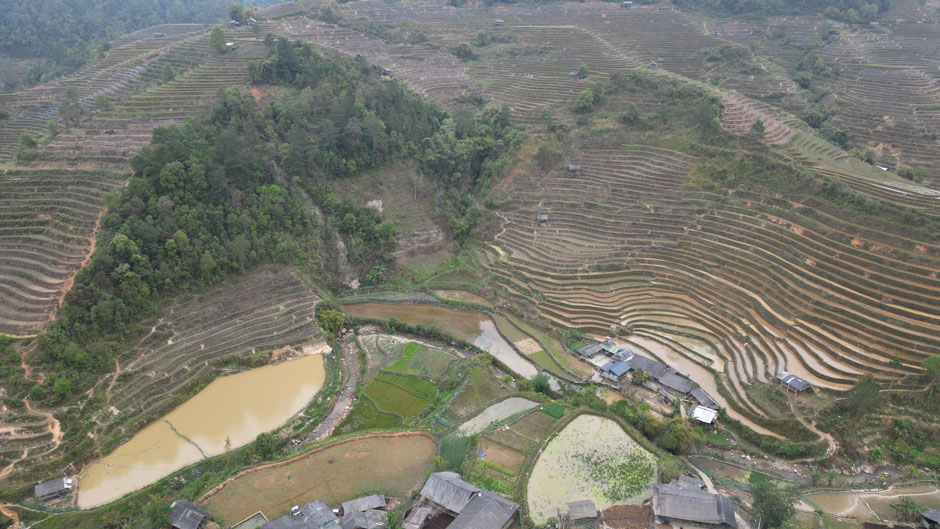
According to Mr. Chua, every rainy and flood season, soil, rocks and trees from the mountains often block the flow.
There was a year when water came, but the ditch was blocked by fallen trees, it took a whole day to clean it up. If it was a few days late, the field would not have time to till the land," Mr. Chua recounted.
Not only Xua Long, many other villages in Pung Luong are also urgently inspecting and repairing water canals before entering the harvest season. With steep terrain and dispersed fields, each small canal plays an important role in people's production.
According to Mr. Pham Tien Lam - Chairman of the People's Committee of Pung Luong commune, the locality currently has about 1,200 hectares of terraced fields, scattered along the mountain slopes. Most of the irrigation system is small works, many places have not been solidified, so water supply still depends heavily on natural conditions.
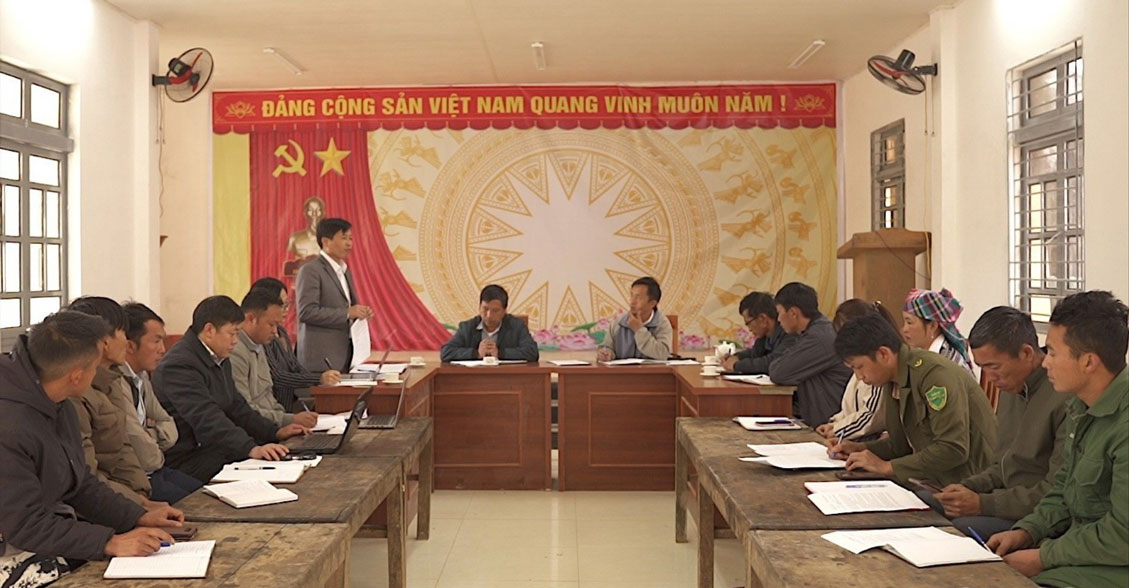
Right from the beginning of the year, the commune government has coordinated with villages to inspect the field, review areas at risk of water shortage at the beginning of the season such as La Pan Tan, De Xu Phinh to find solutions to overcome.
Faced with the reality that many canals are still dirt canals, the Pung Luong commune government also proposed that levels and sectors continue to invest in solidifying the canal system, especially the irrigation project hubs.
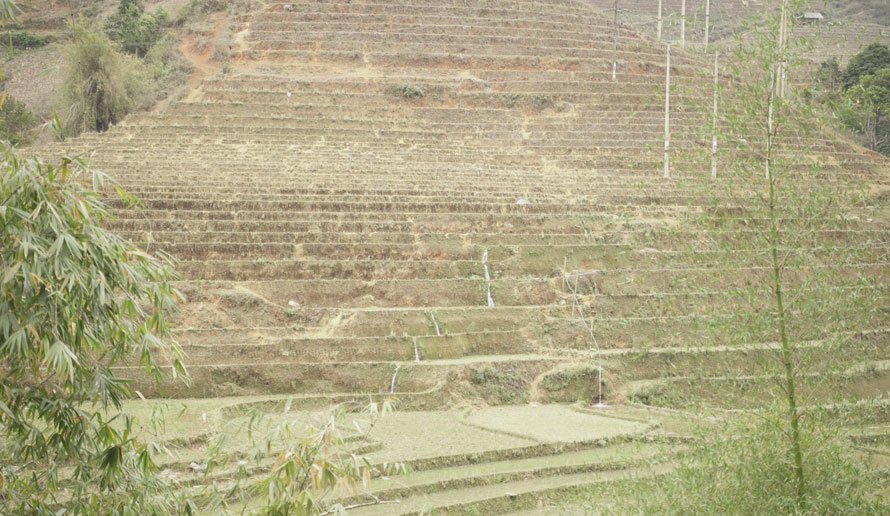
Mr. Do Cao Khanh - Deputy Director of Tan Phu Co., Ltd. also said that the unit currently ensures irrigation for more than 3,500 hectares of rice in communes in the old Mu Cang Chai district.
Up to this point, the company has basically completed the repair and maintenance of the works. We are continuing to clear and dredge canals and ditches to clear the flow, ensuring water sources for people's production," Mr. Khanh shared.
According to Mr. Khanh, some highland areas are at risk of water shortage at the beginning of the season due to hilly terrain. Therefore, the unit is proactively regulating water sources and finding additional sources to limit drought.


