The event took place just two months after the signing ceremony to elevate strategic cooperation between VNVC and GSK Pharmaceutical Group in London, witnessed by General Secretary To Lam and British Government Trade Special Envoy Matt Western, thereby realizing strategic health cooperation between the two countries.
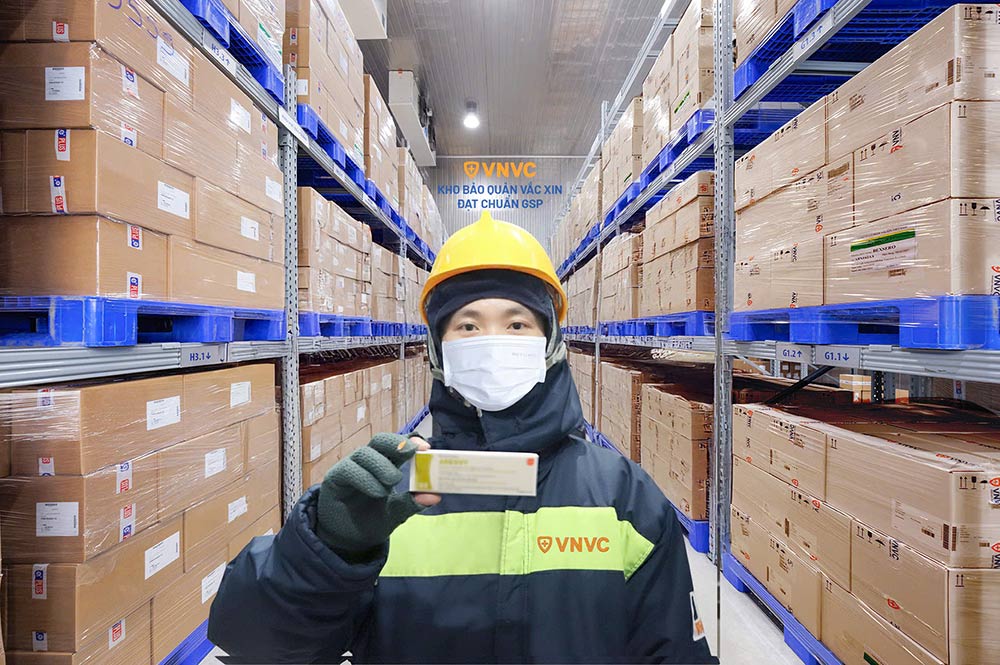
GSK's RSV vaccine is specially developed for people aged 60 and over and people with chronic diseases. The vaccine uses the protein component specific to the RSV virus that has been designed in the form of "most effective activity" and a special supplement to help the body create a maximum immune response, identify the virus earlier and more accurately, thereby effectively and sustainably preventing diseases even in people with poor health, the elderly or underlying diseases.
Dr. Bach Thi Chinh, Medical Director of the VNVC Vaccination System, said that according to the study, the vaccine has a protective effect of nearly 95% in the elderly with underlying diseases. The vaccine has now been approved in nearly 70 countries with more than 10 million doses in use and is recommended by many health organizations for people aged 60 and over. The vaccine has a one-dose vaccination schedule, and is considered a simple and effective vaccine for the elderly against RSV.
RSV vaccine only requires one dose of vaccination for people aged 60 and over, providing high and long-lasting protection, a simple, effective and cost-effective solution for RSV prevention for the elderly, especially people with underlying diseases, Dr. Chinh emphasized.
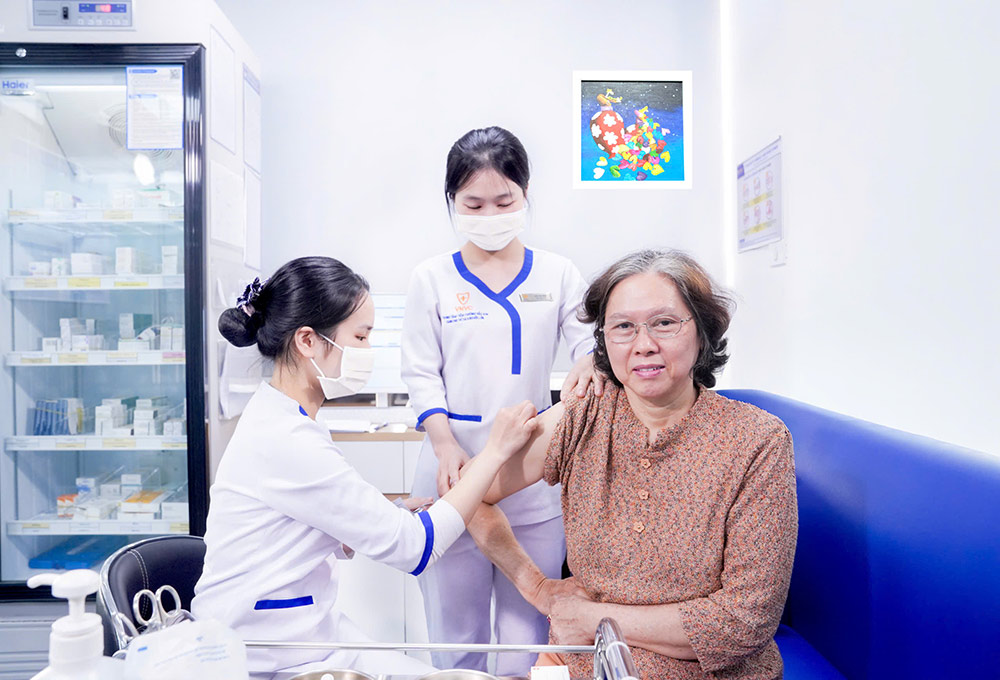
RSV is a common cause of pneumonia, bronchitis, respiratory failure and hospitalization, especially dangerous for the elderly, especially those with chronic diseases such as diabetes, COPD, cardiovascular disease, kidney failure. In this group, RSV is prone to severe progression, respiratory complications, a rash of underlying diseases and an increased risk of serious cardiovascular events, and is prone to re-infection or co-infection with other viruses.
In 2019, RSV estimated more than 470,000 hospitalizations and about 33,000 inpatient deaths in people aged 60 and over in high-income countries. In Vietnam, in 5 years, this virus is estimated to have caused about 4.6 million infections, 200,000 hospitalizations and 18,000 deaths in people over 60 years old. Faced with this burden, the Vietnam Cardiovascular Association and the Vietnam Respiratory Association have included RSV prevention with vaccines in their strategy for managing chronic diseases such as COPD and heart failure.
Dr. Phan Thi Xuan, Head of the Intensive Care - Anti-Poison Department and Head of the Emergency Department, Tam Anh General Hospital, Ho Chi Minh City, shared a 58-year-old clinical case admitted to the hospital in August 2025. The patient had underlying diabetes, high blood pressure and kidney stones on both sides. Test results showed that the patient was infected with RSV, co-infection Covid-19 and influenza A. From only symptoms of cough and right chest pain upon admission, after a few days the patient progressed severe, had a stroke due to cerebral hemorrhage, hemiplegia and died despite being treated for intensive resuscitation.
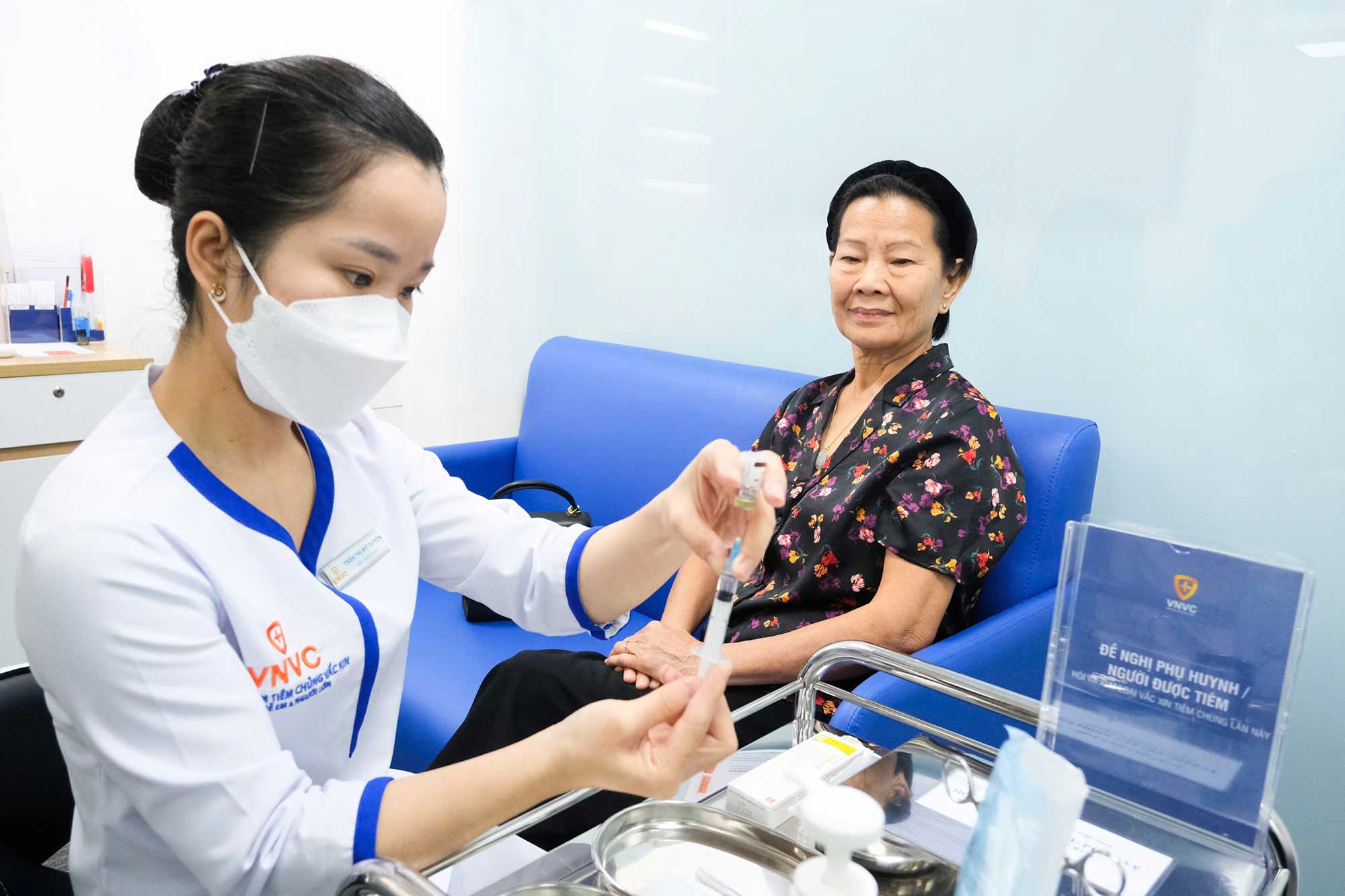
Prof. Dr. Ngo Quy Chau, Chairman of the Vietnam Respiratory Association, Deputy General Director of the General Hospital of Tam Anh Hanoi, said that RSV is a factor that causes a great burden of disease in the elderly but there is currently no specific treatment. Therefore, proactive prevention with vaccines is especially important in protecting the health of the elderly, especially people with chronic diseases, as it can limit the risk of unpredictable complications for patients when infected with this dangerous virus. Tam Anh General Hospital system, a unit in the same healthcare ecosystem as VNVC, also simultaneously deploys RSV vaccination.
The vaccine has specialized supplements for the elderly and people with underlying diseases, helping to reduce the risk of hospitalization and serious complications, while contributing to reducing hospital overload, medical costs and effectively supporting the control of co-morbid chronic diseases such as cardiovascular disease, COPD, diabetes, etc., Professor Guizhou hopes.