
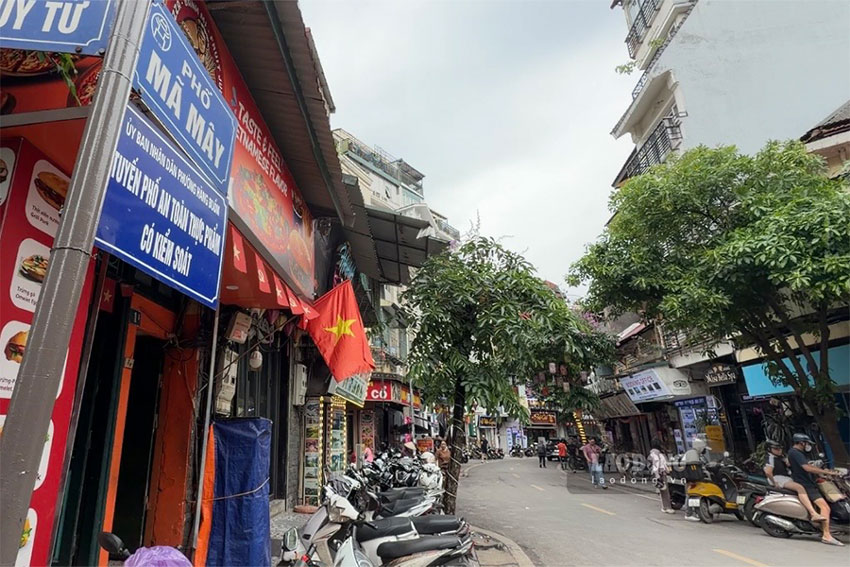
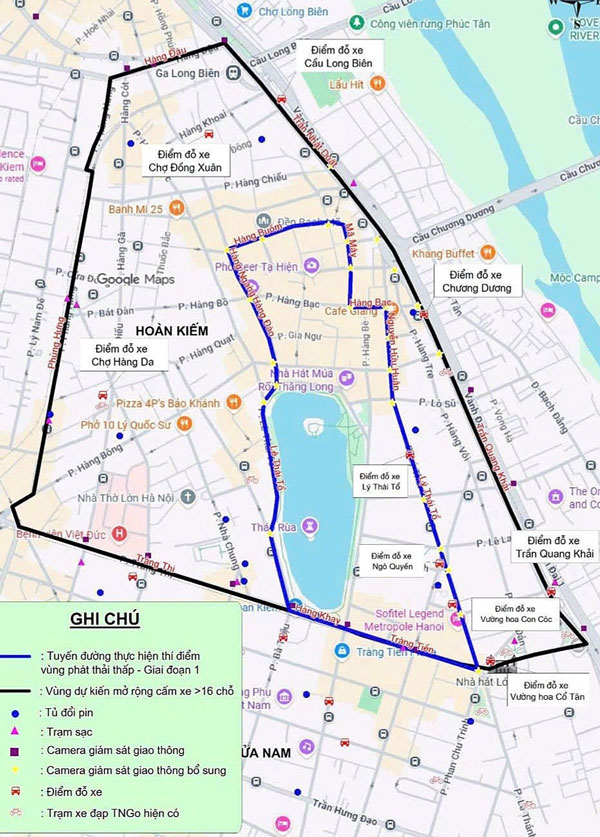
According to the draft submission of the Hanoi People's Committee, phase 1 of the low-emission zone project is expected to be piloted from July 1 to the end of December 31, 2026. The implementation scope includes 11 key streets in Hoan Kiem ward, namely Trang Tien, Hang Khay, Le Thai To, Hang Dao, Hang Ngang, Hang Buom, Ma May, Hang Bac, Hang Mam, Nguyen Huu Huan and Ly Thai To. With an area of about 0.5 km2, this is the core area with high traffic density and the most bustling commercial and tourism activities in the Capital.
The most notable point in this project is the regulation for motorbikes using fossil fuels. Motorbikes and mopeds using gasoline operating through applications (technology motorbike taxis) will be completely banned. For personal gasoline motorbikes, circulation is restricted from 6 pm to 12 am on Fridays and from 6 am to 12 am on weekends.
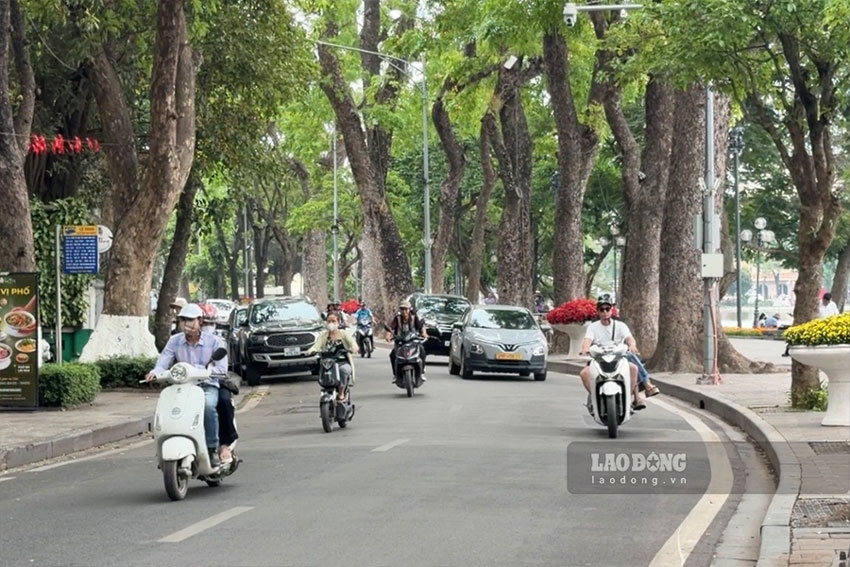
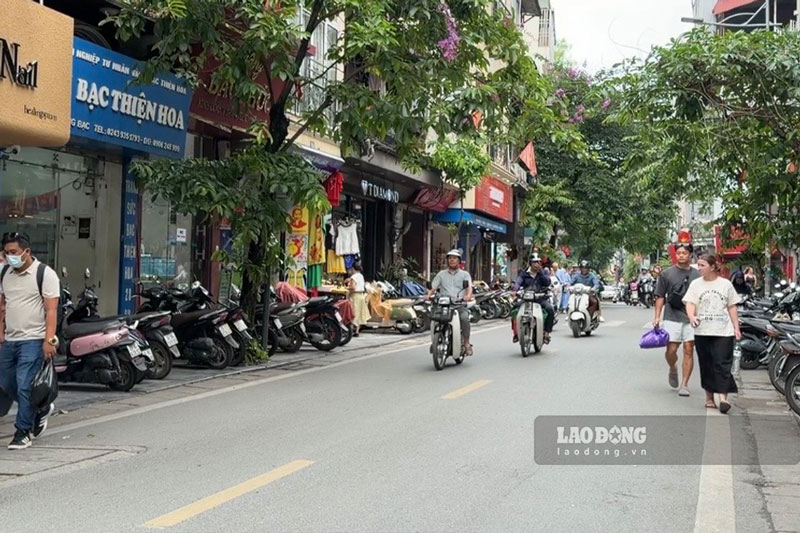
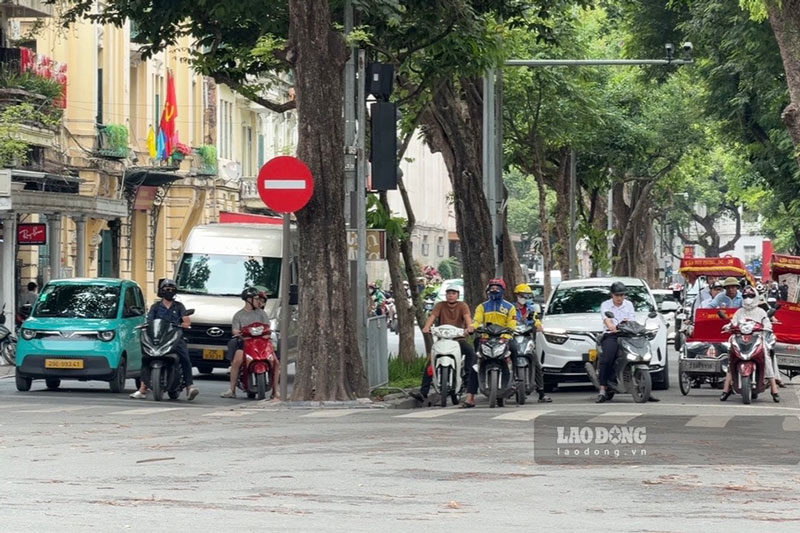
Real-world records of reporters on April 24 show that the 11 planned pilot streets are all core traffic "blood vessels" of Hanoi's Old Quarter. Activities on these streets are always crowded with the characteristic of concentrating many relics, shops and tourist services. Therefore, tightening personal vehicles has caused many opinions from people directly attached to and making a living here.
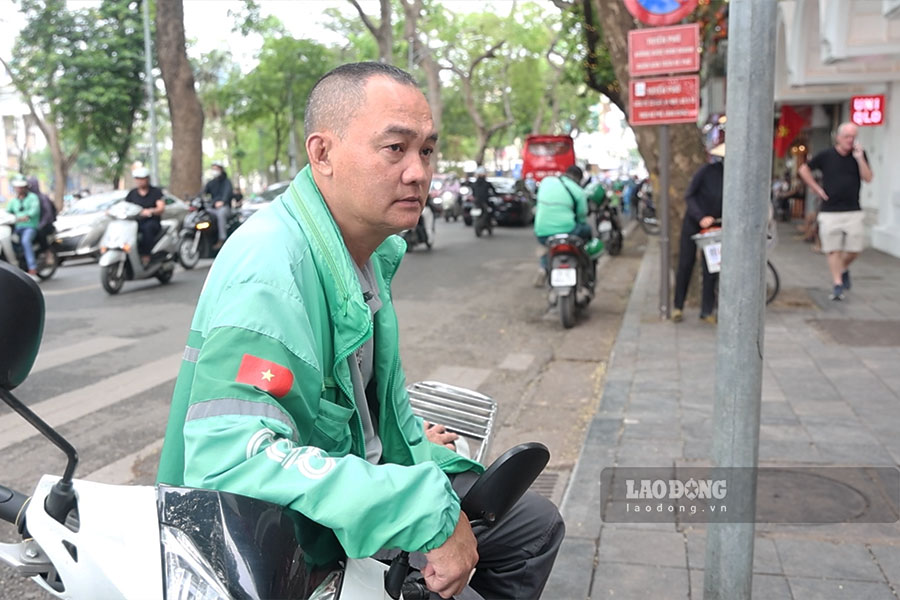
Mr. Dao Viet Bach (from Ninh Binh) is a technology motorbike taxi driver who regularly picks up passengers around Hoan Kiem Lake, and could not hide his worry about this information. Having just invested in a new gasoline motorbike for more than a year to drive a motorbike taxi to earn a living, Mr. Bach feels concerned about the regulation that completely prohibits technology drivers without considering vehicle quality.
My family currently has 3 motorbikes and all run on gasoline. In the current economic conditions, immediately switching to electric vehicles is too much for workers like me. I hope functional agencies will propose more clearly on how to ban based on emission standards, because newly purchased cars that meet emission standards should have a flexible mechanism, instead of banning both old and new cars simultaneously," Mr. Bach confided.
Worries about livelihoods do not stop at the drivers. A business household on Trang Tien street, although agreeing with restricting personal vehicles on weekends because it coincides with pedestrian street space, expressed concern that motorbikes and motorcycles using gasoline to do business through applications (technology motorbike taxis) will be completely banned even on weekdays.
According to this small trader, the number of customers may decrease significantly. From another perspective, Mr. Tran Van Yen, a resident living on Hang Buom street, is concerned about the inconvenience in daily life. He believes that Hang Buom street is normally trafficked, and the time-based ban will make it extremely difficult for people to travel in alleys if there is no transit route or reasonable ring road parking.
Not only for motorbikes, the pilot project also expands the scope of regulation for many other types of vehicles.
Trucks under 2 tons that meet emission standard level 4 are only allowed to circulate outside peak hours. Trucks from 2 to under 3.5 tons (meeting level 4) are only allowed to operate from 9 pm to 6 am the next day and need to have written approval from the City Police. Trucks over 3.5 tons are completely prohibited in the area.
For cars with 16 seats or more (except for buses and school buses), vehicles must meet emission standard level 4 and are not allowed to circulate during the hours of 6:00-9:00 and 16:00-19:30 daily in the Old Quarter area and around Hoan Kiem Lake (belonging to Hoan Kiem ward and Cua Nam ward).
Buses and school buses are still allowed to operate but must meet emission standard level 4. Vehicles under 16 seats using fossil fuels must also meet similar standards.


