
Uninspected electric motorbikes are still offered for sale
In the journey to record the bustling electric motorbike modification market from cyberspace to real life, a group of Lao Dong Newspaper reporters infiltrated these product business establishments in Hanoi.
The recorded results show that, besides car tuning services, there are still shops that publicly introduce and advertise electric car models without registration, without papers, and at the same time receive battery upgrades to increase speed according to customer requirements.
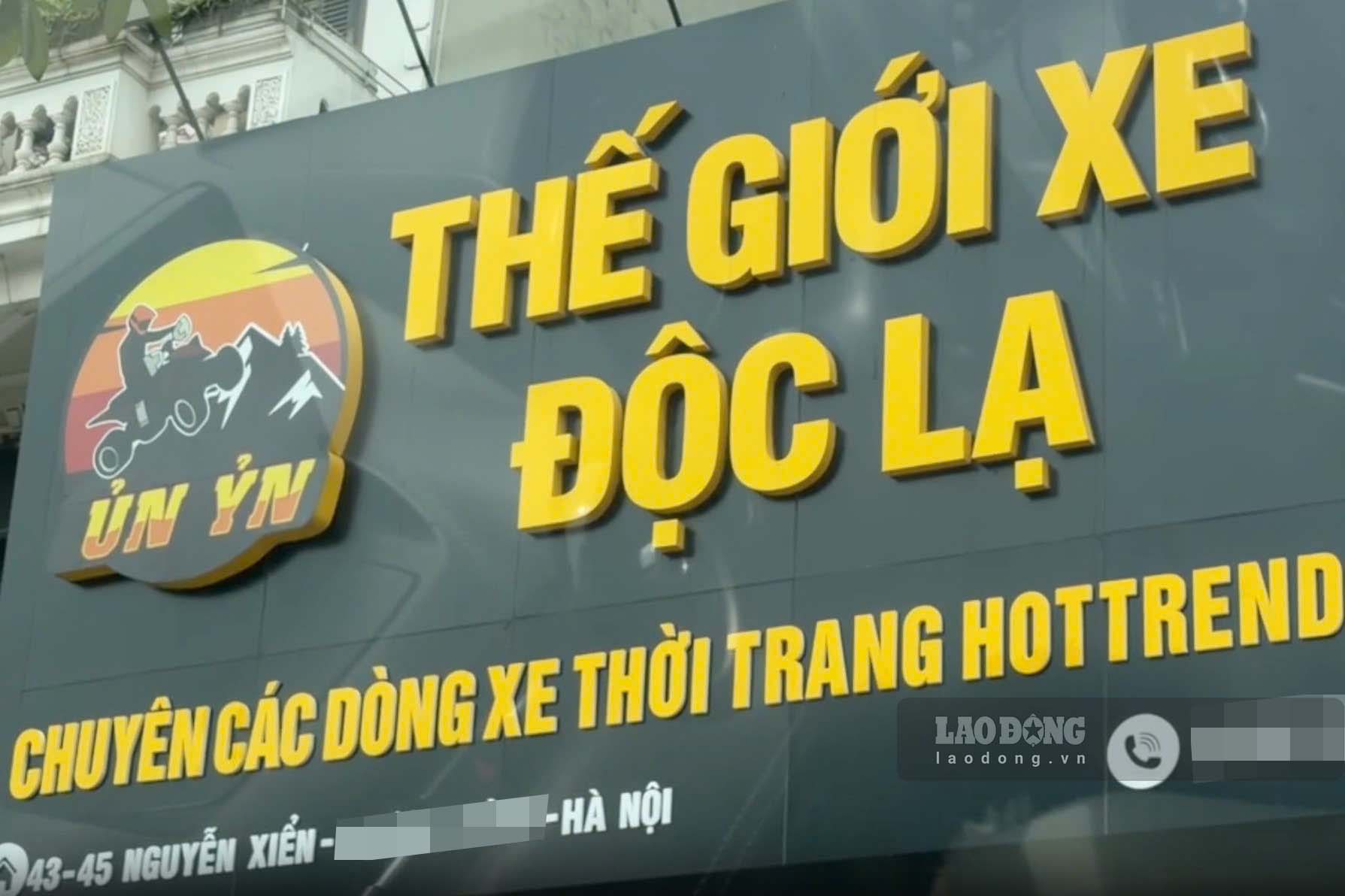
One of the addresses approached by reporters is the unique car world store at 43-45 Nguyen Xien street. On the TikTok platform, an account named "Hang Un Yin" regularly posts videos introducing electric car models.
In the role of customers, the group of reporters was led by a woman named Hang to visit the car models displayed at the store.
Through introduction, the store currently sells two groups of products including vehicles with registration and vehicles without registration.
Hang said that the uninspected car models originate from mainland China, without valid papers because they go through "small border crossings". The selling price of this car line is about 15.5 million VND, about 2 million VND lower than the fully documented and inspected car priced at about 17.5 million VND/car.
The woman also admitted that customers who buy vehicles without registration to circulate will face the risk of being handled by functional forces. However, in terms of design and external appearance, vehicles with papers and vehicles without papers are almost not much different.
According to Hang, vehicle registration will be fully affixed with all kinds of labels according to regulations to prove origin, while vehicles imported from inland China going through "small border gates" will not have these identification marks.
Normally, the store only displays a few "small-scale" goods, mainly still displaying cars with papers. When customers need them, they will take the unregistered car from the warehouse to see. Customers close in the morning and there will be cars delivered in the afternoon," Hang told reporters.
During the consulting process, the store owner also introduced many car upgrade plans.
Customers can choose cars using batteries or batteries. A car model on sale here uses four batteries that can travel about 60-70 km after each charge.
If the entire battery system is replaced with batteries, the cost will increase by about 6 million VND, but the operating distance can reach about 100 km.
Changing from battery to battery means changing the original structure of the vehicle. However, Hang believes that even a vehicle that has been inspected can be done without "any impact".

According to this person's explanation, functional agencies mainly check the frame number and engine number, and the replacement from battery to battery is "no violation".
When reporters raised the issue of the risk of fire and explosion after battery upgrade, the store owner said that there was no need to worry too much.
According to this person, fires and explosions mainly occur when used incorrectly such as continuing to use inflated batteries, charging for too long or leaving the car in hot sun for a long time.
In the exchange, Hang also admitted that all uninspected car models cannot be issued invoices.
Notably, according to the store owner's introduction, when delivering the car to customers, the speedometer screen only displays a maximum speed of 25 km/h, but in fact the car is equipped with 3 levels of adjustment to be able to operate at higher speeds according to the needs of users.
Store owner admits battery is flammable but still does it because customers have demand
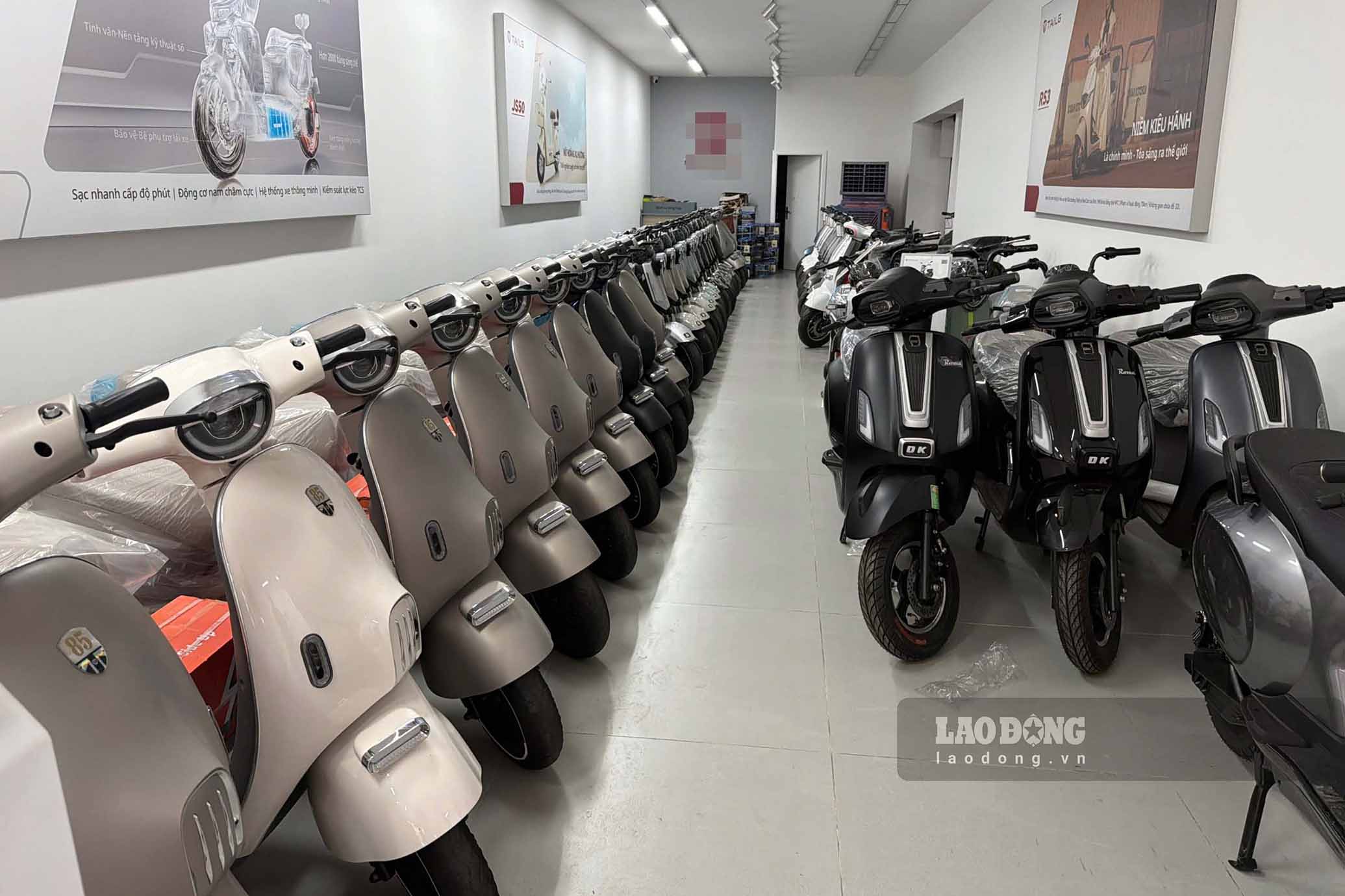
Continuing the survey at a large-scale electric bicycle and motorbike business store at 929 Ngai Cau Street, An Khanh, reporters continued to record many noteworthy information.
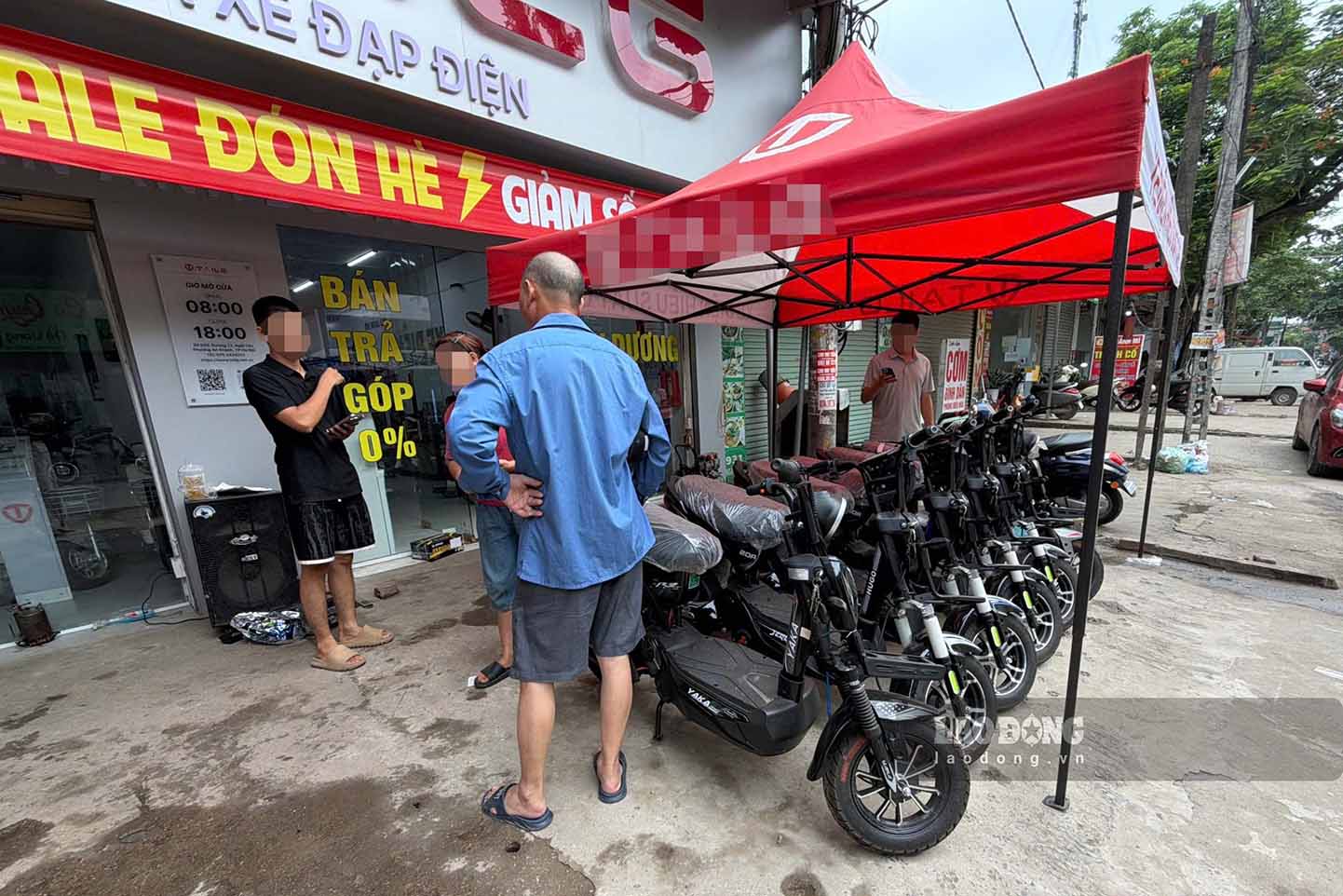
The store owner said that their customers have many students preparing to enter high school, including cases that do not meet the regulations.
According to this person, students in accordance with regulations must use electric bicycles with pedals at speeds below 25 km/h.
However, the seller said that most students do not like this type of car because it runs too slowly.
Normally, at 15 years old, many friends still come here to buy electric motorbikes, not electric bicycles. Just drive skillfully a little, wear a full helmet, and no police will catch you again to check the vehicle," the store owner said.
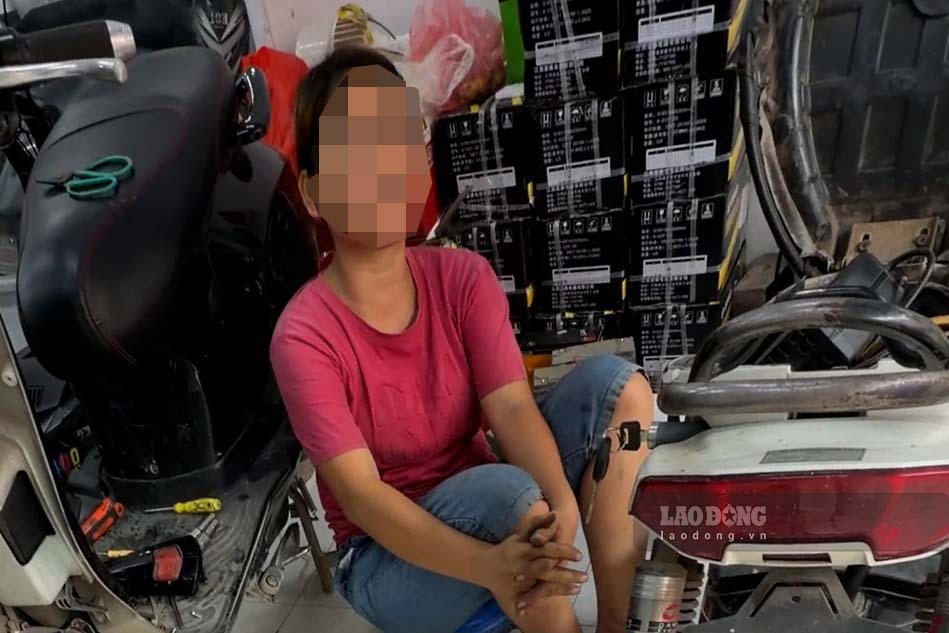
Not only selling cars, this facility also receives battery upgrades and battery upgrades to increase speed, even though the staff of this store admitted to the potential risk of fire and explosion and not in accordance with traffic safety regulations.
A male employee continued to introduce another option to replace the electronic controller (IC).
According to this person, electric motorbike manufacturers often limit the speed to about 50 km/h. If customers want the car to reach about 60-65 km/h, just replace the IC with a cost of about 1 million VND.
However, if you want an even stronger car, the solution chosen by many customers is still battery upgrade, with a cost of nearly 10 million VND.
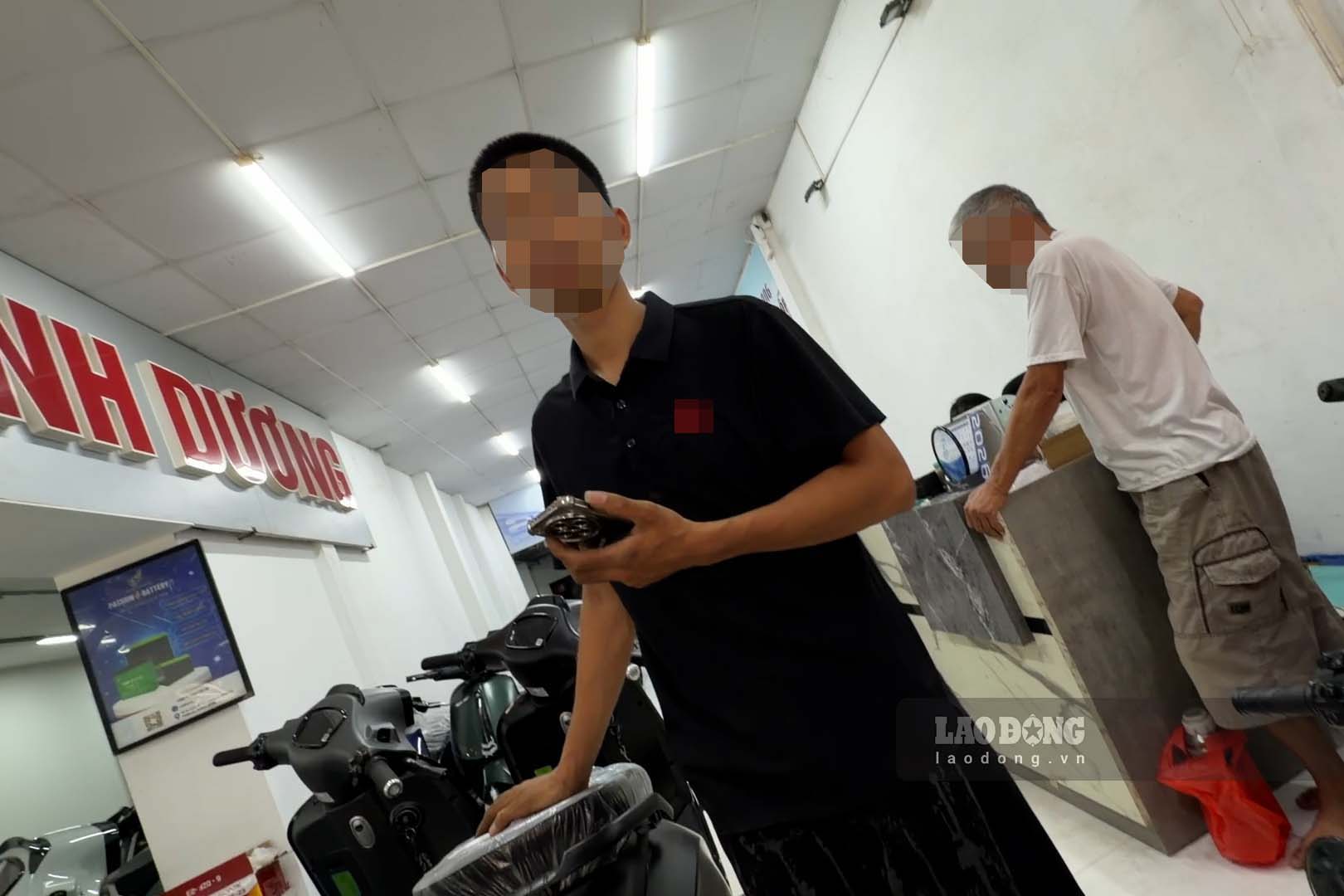
The male employee also admitted that battery upgrades require users to be especially careful during charging, especially on hot sunny days because the risk of fire and explosion is higher.
I am ordering battery upgrades for a customer. Customers in their teens still like battery upgrades the most. Although it is easy to cause fire and explosion, I have to accept it because I do business," the male employee told reporters.
Intervention in electric motorbike structure faces many legal sanctions
Regarding electric motorbike tuning services, in an exchange with Lao Dong Newspaper, Lawyer Hoang Van Ha - ARC Hanoi Law Firm said that currently, electric motorbike tuning is on the rise, especially on social networking platforms, where many establishments publicly advertise services to unlock speed, increase engine power or change the electrical system of the vehicle. From a legal perspective, this is a very worrying issue because it not only affects traffic safety but can also entail many types of legal liability.
Currently, the trend of tuning electric motorbikes is increasing, especially on social networking platforms, where many establishments publicly advertise speed unlock services, increase engine power or change the electrical system of the vehicle. From a legal perspective, this is a very worrying issue because it not only affects traffic safety but can also lead to many types of legal liability.
For electric motorbikes, acts such as replacing engines with higher capacity, replacing controllers to unlock speed, replacing batteries with voltage exceeding the design, changing the electrical system, cutting and welding the car frame or changing the braking system can all change the technical characteristics of the vehicle and directly affect traffic safety.
Lawyer Ha affirmed that these acts will be handled according to Decree No. 168/2024/ND-CP on sanctioning administrative violations in the field of road traffic order and safety. In addition to monetary fines, violators or establishments carrying out illegal renovation may also be forced to restore the original state of the vehicle, dismantle the illegally renovated parts and implement other remedial measures according to the provisions of law.
The law does not prohibit the replacement of spare parts or accessories if the replacement does not change the structure, does not change the technical characteristics and still ensures the manufacturer's safety standards," the lawyer explained.
However, when car modification changes the maximum speed, engine power, voltage of the battery, electrical system, brake system, car frame or load-bearing parts, this is an act of improperly modifying the vehicle.
It is worth noting that many electric motorbikes today are designed with limited speeds to ensure safety. If you unlock the speed lock to make the car run faster, but the brake system, chassis and tires still retain the original design, the risk of loss of control, brake failure or explosion is very high.
In particular, in case of using components of unknown origin, without invoices, documents or not meeting technical standards, they may also be handled according to Decree No. 98/2020/ND-CP on sanctioning administrative violations in commercial activities. Depending on the nature and severity of the violation, the exhibits may be confiscated, goods may be forced to be destroyed, and the establishment must implement remedial measures according to regulations.


