
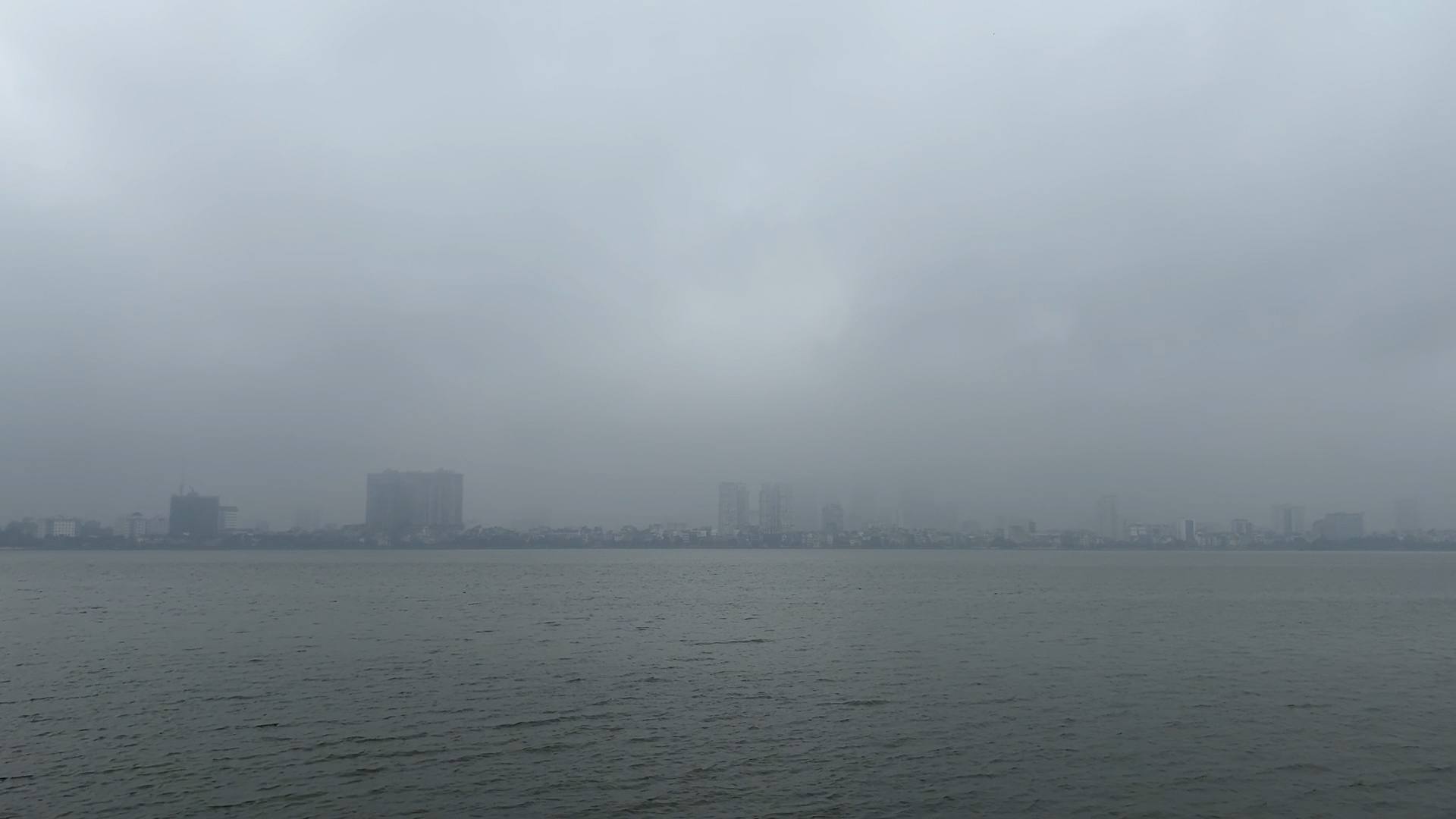
In the last days of February, Hanoi continues to be submerged in humidity with high air humidity, cloudy, scattered drizzle with fog in the early morning and evening. According to the National Center for Hydro-Meteorological Forecasting, at about 2 pm on February 24, the humidity in Hanoi was nearly 97%, the temperature fluctuated from 21-26°C and there was drizzle in many places.
This phenomenon is forecast to last until early March when the North is still affected by weak cold air combined with high humidity, causing light rain and fog to appear commonly.
Prolonged humid weather conditions increase the risk of disease, especially respiratory and allergic diseases. Erratic temperature changes and high humidity create a favorable environment for bacteria, viruses and mold to grow, exist in the air as well as stick to the surface of household items.
This is a factor that increases the ability to irritate the mucous membranes, causing respiratory infections, sinusitis, bronchitis or worsening existing chronic diseases. Besides, January is also the time when many festivals take place, the density of community contact increases, making the risk of infection even greater.
Talking to Lao Dong newspaper, Assoc. Prof. Dr. Bui Vu Huy, Senior Lecturer of the Department of Infectious Diseases, Hanoi Medical University, said that high air humidity creates conditions for some pathogens such as mold, bacteria and viruses to develop more strongly, and also affects the function of regulating respiratory secretions and reflexes to protect the airways. When these natural factors are disrupted, the human body, especially those with weak resistance, is more susceptible to infectious diseases, especially in people with underlying diseases.

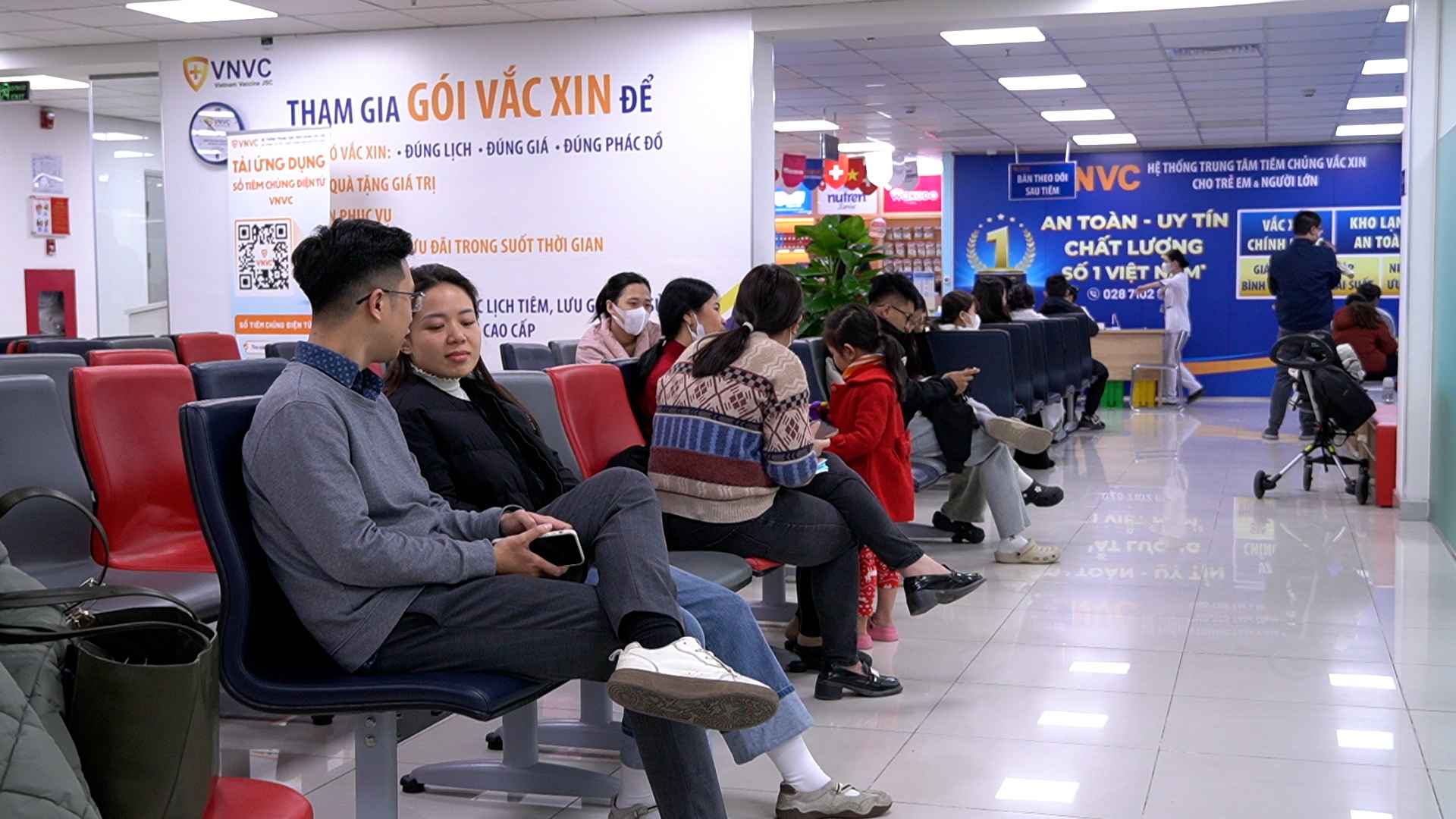
The two groups of people most susceptible in humid weather are the elderly and young children because their immune systems are not yet complete or have declined. In addition, pregnant women, people with underlying diseases such as bronchial asthma, cardiovascular disease, diabetes, or allergic constitutions are also at higher risk of the disease than healthy young people. People in this group are often hospitalized for treatment more often when humidity increases for a long time, especially diseases such as sore throat, bronchitis, sinusitis and acute episodes of chronic diseases.
To prevent the disease, doctors recommend that people regularly monitor disease information from the health sector, fully implement prevention guidelines, proactively protect their health with a nutritious diet, regular living, and reasonable rest to increase resistance.
People with underlying diseases or symptoms of respiratory diseases should not socialize, in case of necessity, they need to wear masks and thoroughly disinfect to avoid affecting and spreading the disease to the environment," the doctor emphasized.
For people with underlying diseases, when abnormal respiratory symptoms appear such as prolonged cough, shortness of breath or chest pain, they need to go to a medical facility for examination and treatment.


