
The shift in thinking from administrative management to administrative service
The Digital Citizen Station is an initiative of the Department of Administrative Management of Social Order Police of Ho Chi Minh City Police (PC06), Ho Chi Minh City Police; in coordination with the Department of Administrative Management of Social Order Police (C06) to preside over the implementation, with the companionship of agencies, units and businesses.
This is a step to concretize the policy of Project 06 of the Government and Resolution No. 57-NQ/TW of the Politburo on digital transformation, using chip-based CCCD and VNeID to simplify procedures.
Previously, in July, the Council for considering and proposing to recognize the Ministry-level Administrative Reform Initiative under the Ministry of Public Security for the Digital Citizen Station initiative had a working session with the Ho Chi Minh City Police.
Council members assessed that the model has many outstanding advantages such as: serving people day and night, reducing time, costs and distance for performing administrative procedures, integrating many utilities in one device, flexible model, easy to deploy, highly practical, capable of being replicated and deployed in the form of socialization...
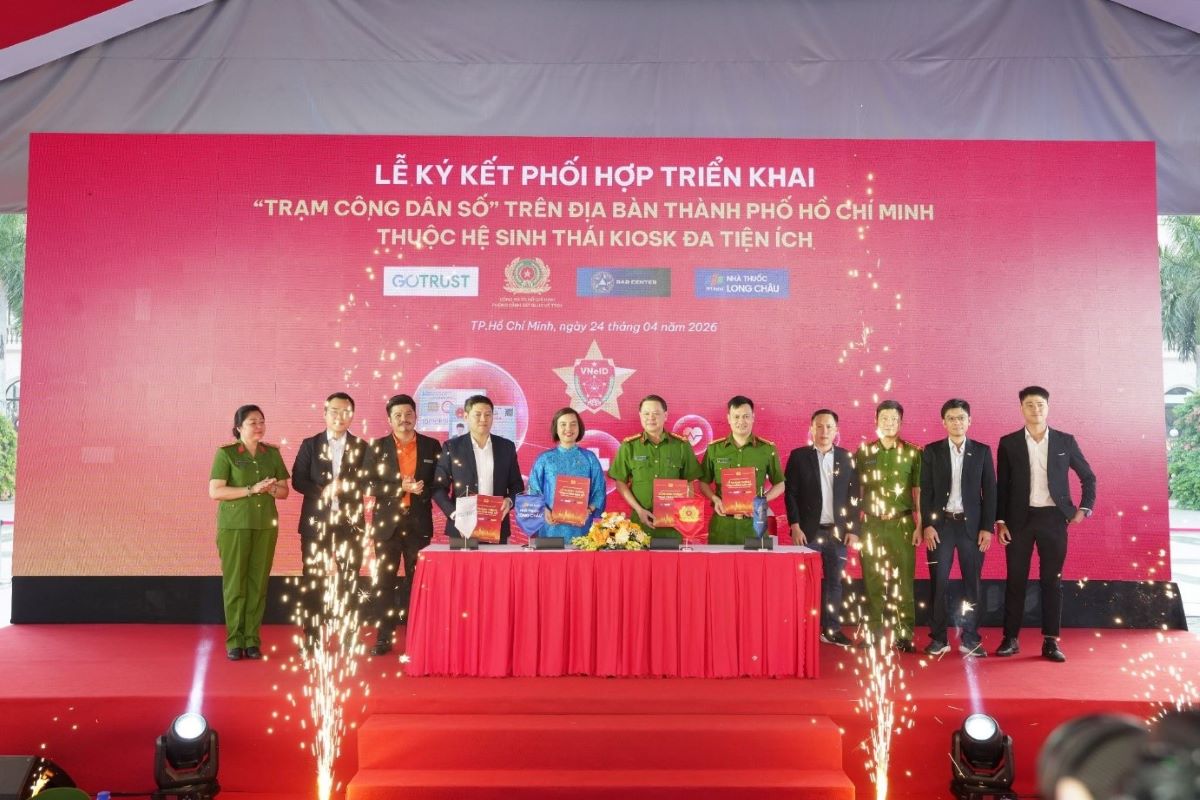
Building a digital utility ecosystem "close to the people, close to the people
Based on VNeID, the Digital Citizen Station brings many utilities to serve life. Here, it expands to 6 groups of essential features including: Public administration, Security and safety, Digital health, Civil utilities, Hotline and cold fine collection, Finance - banking. Thanks to the application of modern technology, services can be performed at the station quickly, safely, securely and without having to travel far.
Meanwhile, digital healthcare contributes to bringing healthcare services closer to people in a practical and accessible direction. The station integrates specialized medical equipment, meeting strict standards. People can easily check important health indicators for free such as: height, weight, body mass index, blood oxygen concentration, blood pressure, rhythm, fat percentage, water and body energy. In addition, users can book vaccination appointments, get health advice with experts, experience digital pharmaceuticals, and get free and fast delivery of medicines...
Under the chairmanship of Ho Chi Minh City Police and the Department of Administrative Management of Social Order (C06), medical solutions at the station are implemented with modern standards, quality, and absolute data security. Long Chau pharmacy and vaccination system with a wide network, technology platform meeting all standards of information security and safety, and trusted by tens of millions of people for many years, is the unit chosen to operate health care facilities at the station.
Representatives of Long Chau expressed their honor to accompany the introduction of the Ho Chi Minh City Police's initiative into life, contributing to completing the public-private service ecosystem at the grassroots level, bringing digital utilities to be "closer to the people, closer to the people". This is also an effort in expanding the health care network, improving access to advanced and safe medical services for everyone, for a healthy Vietnam.
Continue to replicate the model, towards national popularization
The model of Digital Citizen Station has been directed by the Government to study and deploy universalization in the spirit of bringing public service utilities and digital healthcare to serve people's lives, towards universalization nationwide according to the roadmap from January 2027.
This is an important basis to continue expanding the model, promoting the digital transformation process, administrative reform from the grassroots level, and bringing digital utilities to serve life in a sustainable direction.
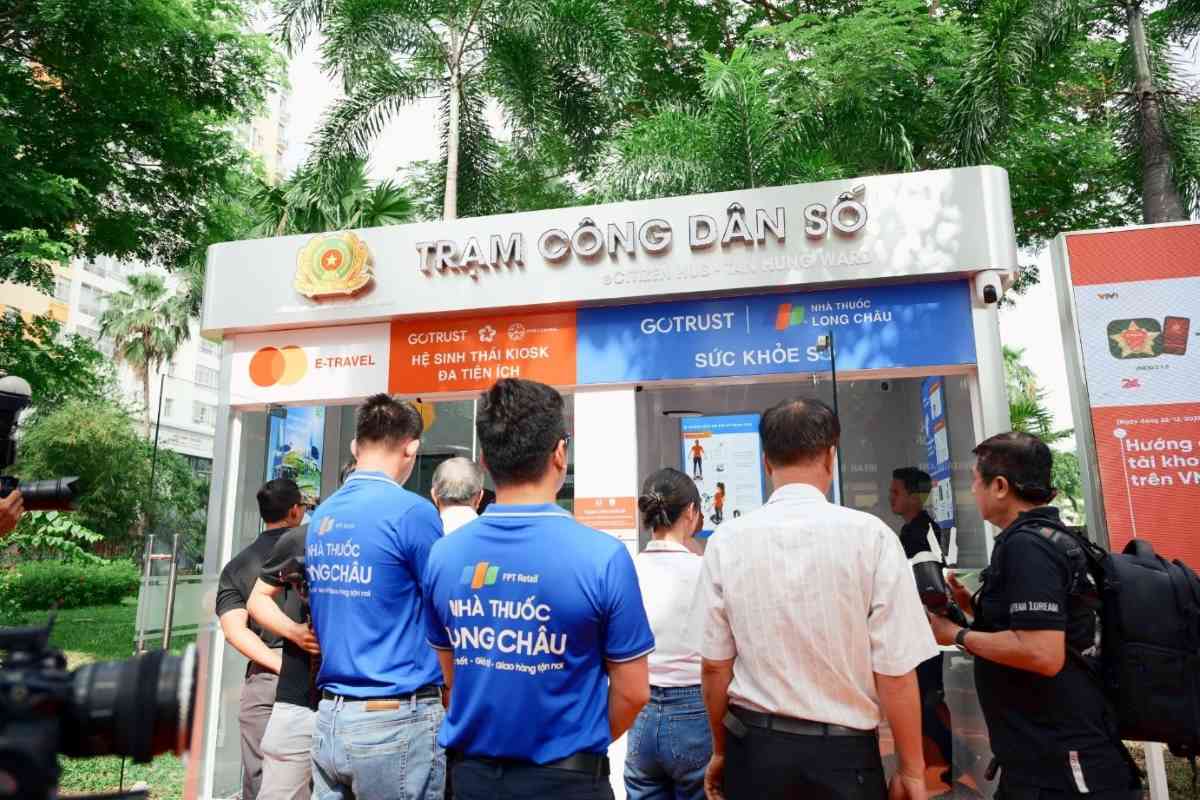
Currently, there are 8 Digital Citizen Stations in Ho Chi Minh City, located in: Hoa Binh ward, Tan Hung ward, Binh Phu ward, Nguyen Hue pedestrian street, Celadon City urban area, Vinhomes Ba Son, Diamond Island, Cityland Park Hills. In the near future, units will continue to replicate this model in the city and some localities across the country.


