
Difficulties in human resources and medical equipment at the grassroots level
After the new health station model went into operation, many localities recorded major changes in the organizational structure, but accompanied by many difficulties in the process of performing the task of primary health care for people.
At An Hoi Ward Health Station, an average of about 300 patients are received per day. However, the lack of treatment drugs and testing equipment has disrupted medical examination and treatment activities, especially for chronic patients who need long-term monitoring.
People like Ms. Nguyen Thi Hang, suffering from many underlying diseases, said that there were times when they came for examination but did not have enough medicine to dispense, forcing them to buy outside to continue treatment, causing additional costs and inconvenience in living.
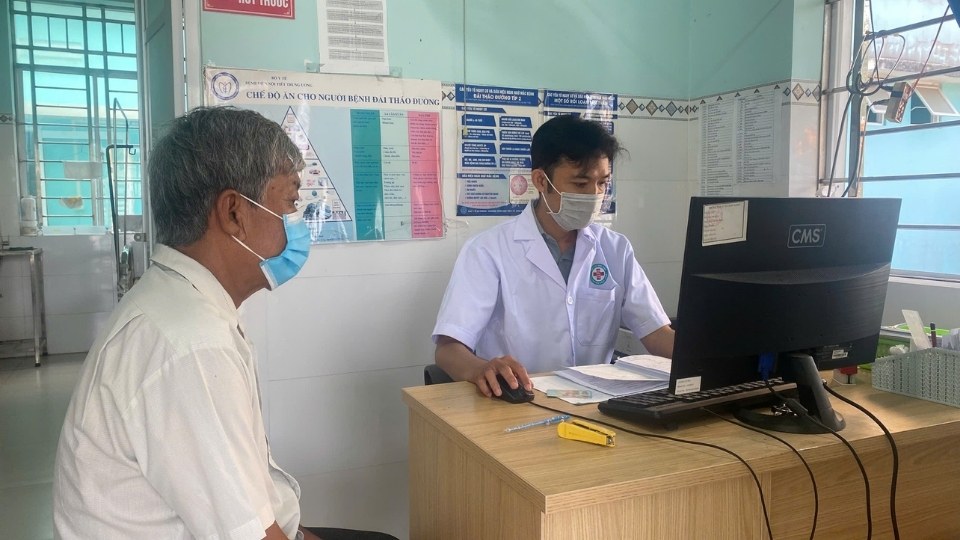
Doctor Le Minh Chan, in charge of the Outpatient Department of An Hoi Ward Health Station, said that the model conversion requires the unit to quickly adapt to new professional requirements, while human resources have not kept up with training standards according to regulations.
According to Dr. Chan, although equipped with some equipment such as X-ray machines and basic testing machines, due to the lack of personnel with appropriate specialized certificates, the operation has not achieved the expected initial efficiency.
Director of An Hoi Ward Health Station Nguyen Van Thanh said that the transfer from the regional health center to the commune level helps increase proactiveness, but arises inadequacies in human resource allocation and equipment exploitation.
Mr. Thanh also acknowledged that many equipments have been invested in but have not fully utilized their function due to the lack of specialized doctors and technicians, while the demand for medical examination and treatment is increasing at the grassroots level.
Bottlenecks that need to be removed soon
Besides human resource difficulties, the grassroots health station system also faces a series of issues related to facilities, operating legal framework and conditions to ensure digital transformation in the health sector.
In many localities, after rearrangement, the rate of newly licensed health stations reached about 45.2%, directly affecting health insurance payments and legality in service provision.
Reality shows that 117/124 health stations still use old and degraded headquarters, not meeting the area and working conditions standards according to current regulations of the Ministry of Health.
In addition, about 68.5% of computers in medical facilities have been used for over 5 years, causing difficulties for the deployment of electronic health records and digital transformation applications in patient management.
For example, My Long Commune Health Station still cannot fully organize functional rooms due to lack of personnel and infrastructure conditions, despite having 22 officials, including 7 doctors.
Doctor Tran Vinh Phuoc, Director of Tap Son Commune Health Station, said that the unit is gradually overcoming difficulties, and at the same time sending officials to participate in training classes to improve professional capacity.
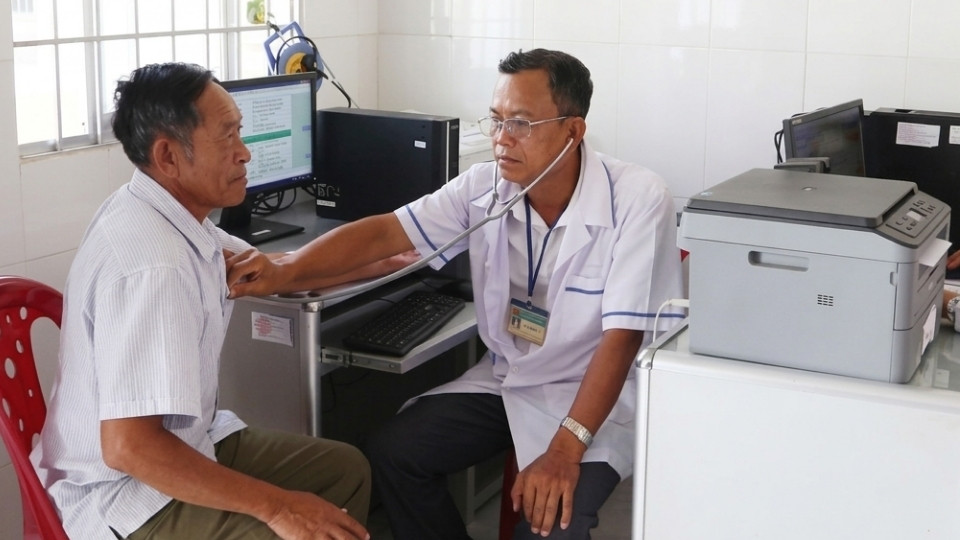
Dr. Ho Thi Thu Hang, Director of Vinh Long Department of Health, assessed that there are still many "bottlenecks" that need to be removed, especially the legal issues of operation and organizational capacity at the grassroots level.
According to Dr. Ho Thi Thu Hang, only about 45.2% of health stations have operating licenses after rearrangement, while most facilities are degraded, directly affecting the quality of service to people.
The Director of the Department of Health also said that currently the health station cannot organize bidding for drugs and medical supplies on its own and still has to depend on higher levels, and at the same time lacks accounting and specialized information technology personnel.
According to Ms. Hang, decentralizing management to localities is necessary but requires more synchronous management capacity, especially in financial management, personnel and digital transformation at medical facilities.


