
Bringing healthcare services closer to the people
Faced with the requirement to improve the quality of primary healthcare, the restructuring of the grassroots health system has become a key task of the health sector. The policy of transferring regional health centers to commune health stations for management is considered an appropriate adjustment step.
Over the years, the grassroots health system has played a fundamental role in primary health care for people. However, the organizational model from regional health centers to commune health stations still reveals certain limitations.
Reality in some localities shows that people still have to travel far to get medical treatment, while the nearest health station has not fully promoted its role. This partly affects people's access to health services.
From the beginning of March 2026, the health sector has implemented the rearrangement of the system. Notably, the transfer of regional health centers that do not have the function of medical examination and treatment to commune health stations for management.
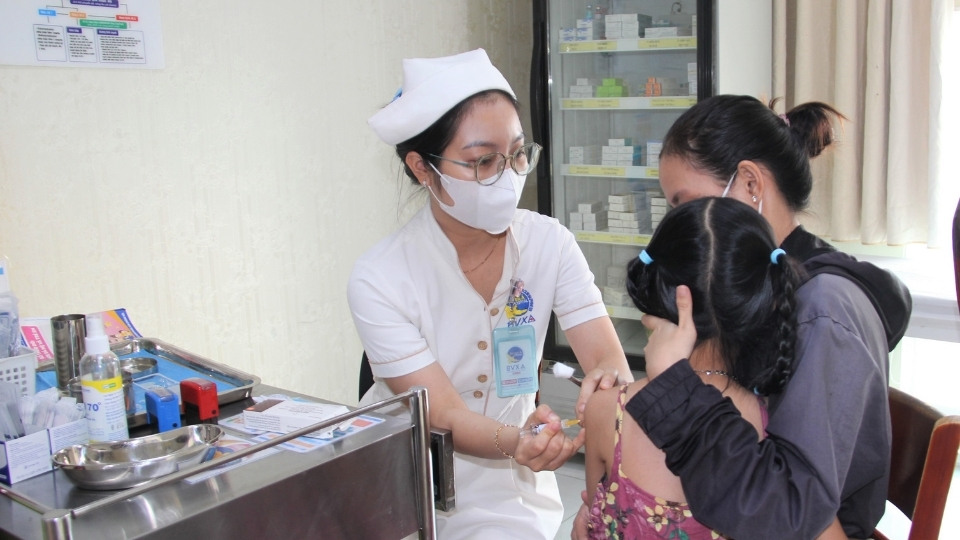
Dr. Ho Thi Thu Hang - Director of Vinh Long Department of Health - said that the transfer of commune-level health stations to commune-level People's Committees is a strategic step to bring health services closer to the people, serving promptly and effectively.
This policy is implemented on a synchronous legal basis, including Resolution No. 72-NQ/TW of the Politburo, Resolution No. 282/NQ-CP of the Government and specific programs and plans at the local level.
One of the big expectations from the new model is to help people access healthcare services more conveniently. Instead of traveling far, people can be examined, consulted and treated right in their locality," Ms. Hang added.
Strengthening grassroots healthcare to improve primary care
According to Dr. Ho Thi Thu Hang, the new organizational model of the health station clearly shows the orientation of putting people at the center. Currently, the whole province maintains 124 health stations and 199 station points, covering a wide area.
The distance to access health services has been shortened to 5-5.6km, helping people conveniently get medical examination and treatment; the transfer of 124 health stations to the commune-level People's Committee is expected to create a "lever" for the sustainable development of the grassroots health system.
Currently, the whole province has 3,059 health workers, with an average of about 24.6 people per station, including about 4.3 doctors. Basic human resources meet the initial health care needs of the people.
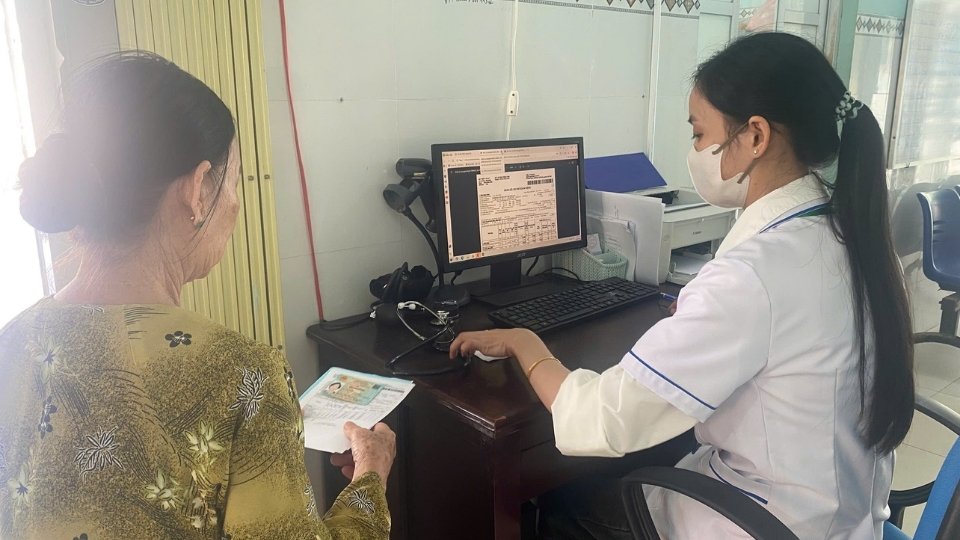
After arrangement, commune and ward health stations continue to maintain stable operations, suitable to the population size and conditions of each locality, and are subject to the professional management of the health sector.
According to the new direction, the health station not only implements preventive medicine but also deploys many basic medical examination and treatment techniques such as tests, simple diagnostic imaging and management of chronic diseases.
Reality at the grassroots level shows the initial effectiveness of the new model. After a month of implementation, the system was quickly consolidated, and medical examination and treatment activities were maintained stably and without interruption.
The transfer of functions, tasks and human resources from regional health centers to commune health stations has contributed to improving operational efficiency, gradually better meeting the health care needs of the people.
By 2030, the province will implement 2 projects to improve primary health care and medical examination and treatment; strive for 100% of stations to have family doctors, each station at least 5 doctors, promote digital transformation, and add 10-15 daytime beds, according to Dr. Ho Thi Thu Hang - Director of the Department of Health.


