
On June 18, information from the Department of Finance of Cao Bang province, the whole province is currently managing 2,546 houses and land facilities, of which 49 facilities have been handed over by the Central Government.
After the process of arranging the organizational structure and administrative units at all levels, the review and arrangement of houses and land for agencies and units has basically been completed.
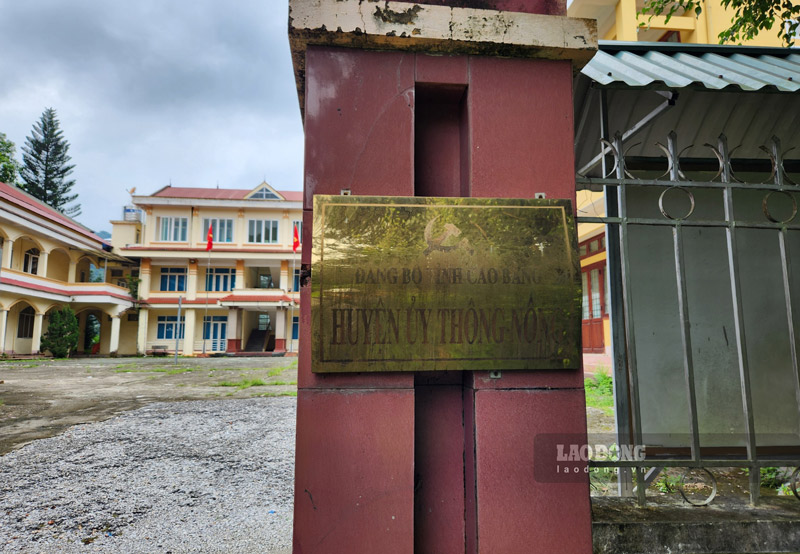
However, there are still 356 redundant houses and land facilities in the area that need to be handled and exploited effectively.
To avoid wasting public assets, Cao Bang province is oriented to convert some redundant facilities to serve social security goals such as schools, medical facilities, public works and community service facilities.
Along with that, the locality is promoting digitization, building a real-time public asset management database to improve the efficiency of management, supervision and exploitation.
According to the assessment of the Department of Construction of Cao Bang province, the handling of surplus housing and land funds still faces many difficulties.
Auction and asset leasing activities in remote and isolated areas have not achieved the expected efficiency due to low demand.
Many works have deteriorated, the room area is small, no longer suitable for new uses, while the renovation costs are high.
In addition, some dossiers and drawings related to assets have been lost through many management stages, causing difficulties in determining the current status, area and usage standards.
Many localities have to hire specialized units to measure and re-file dossiers, prolonging the time and incurring costs.
In the coming time, the Cao Bang Department of Construction will continue to coordinate with the Department of Finance and related units to complete the review and classification of assets; and at the same time accelerate data digitization, complete legal documents and develop appropriate exploitation plans for each surplus house and land facility.
Regarding the management and exploitation of public assets, the Ministry of Finance has submitted to the Government a draft resolution on specific mechanisms and policies with many new contents to remove obstacles in handling surplus assets.
In which, noteworthy is the strong decentralization of the authority to decide on rental prices for houses and land for heads of provincial-level management agencies or Chairmen of commune-level People's Committees; allowing public non-business units to retain a part of revenue from asset exploitation to serve management and maintenance work before submitting to the budget.
According to the Ministry of Finance, effectively utilizing the surplus housing and land funds can help the State save about 30,000 billion VND in compensation, site clearance and new infrastructure investment costs.


