
In early May 2026, Mr. Pham Duc Tuan - an apartment investor in the western Hanoi area - decided to reduce an additional 200 million VND for an apartment being offered for sale in Me Tri after many weeks of not finding customers.
“Before, posting news for a few days, people would ask to buy. But since after Tet until now, the market has been completely different. Buyers are more cautious, and investors have almost disappeared” - Mr. Tuan said.
Ms. Nguyen Kieu Chung (Tu Liem, Hanoi) is also in a situation of being stuck with goods after a period of hot apartment market growth. At the end of 2025, she was paid up to 4.6 billion VND by a broker for a two-bedroom apartment. Believing that the price will continue to increase, she is not in a hurry to sell.
However, in recent months, the market has begun to stagnate. Although the asking price has been reduced to about 4.3 billion VND, 300 million VND lower than at the end of last year, her apartment has not yet found buyers.
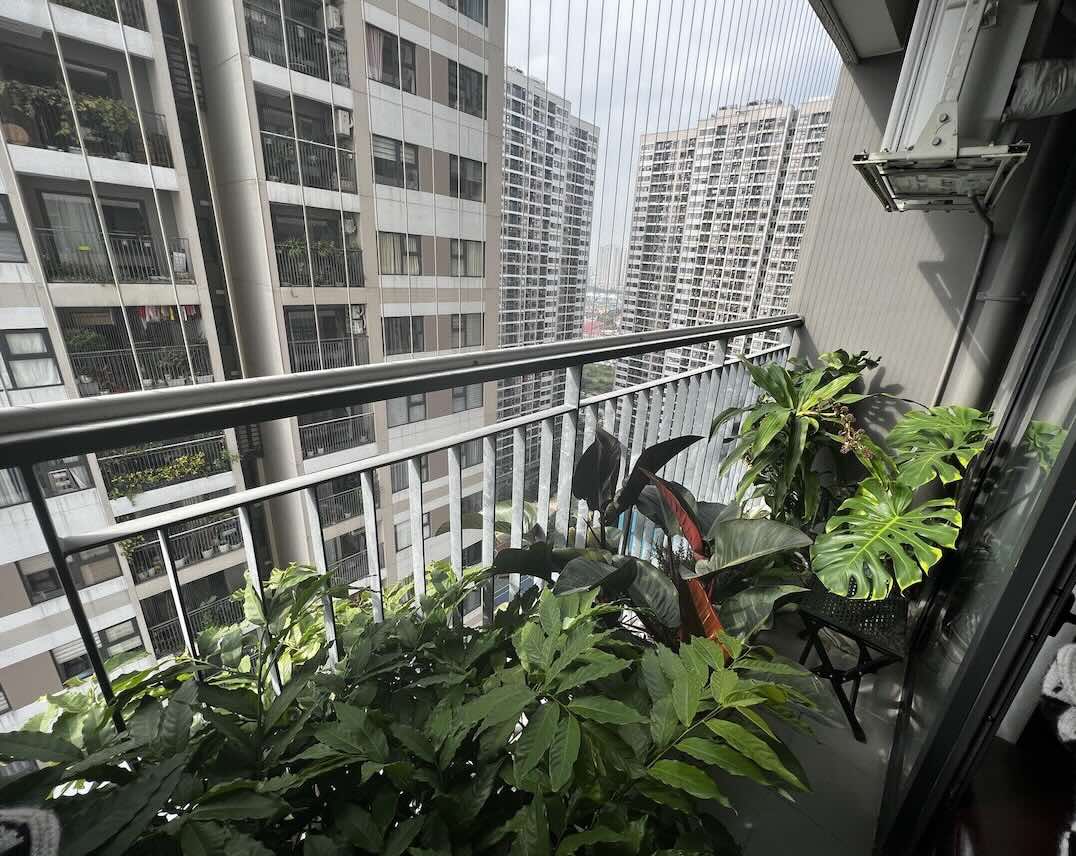
Previously, posting news meant brokers called continuously, now there are weeks when no one asks. Buyers go to see very carefully but almost only listen and wait for further discounts" - Ms. Chung shared.
According to Ms. Chung, her family currently needs money to raise capital for business, so the pressure to sell is increasing. Not just one apartment, she owns a total of 3 apartments in the Tay Mo area and are all in a slow liquidity situation. "Keeping them for a long time will increase financial pressure, but selling them now is also difficult to reach the expected price" - she said.
The story of Mr. Tuan and Ms. Chung is not an isolated case. A real-world survey by Lao Dong reporters shows that the price of secondary apartments in Hanoi is trending down after a period of prolonged hot increase throughout 2024-2025.
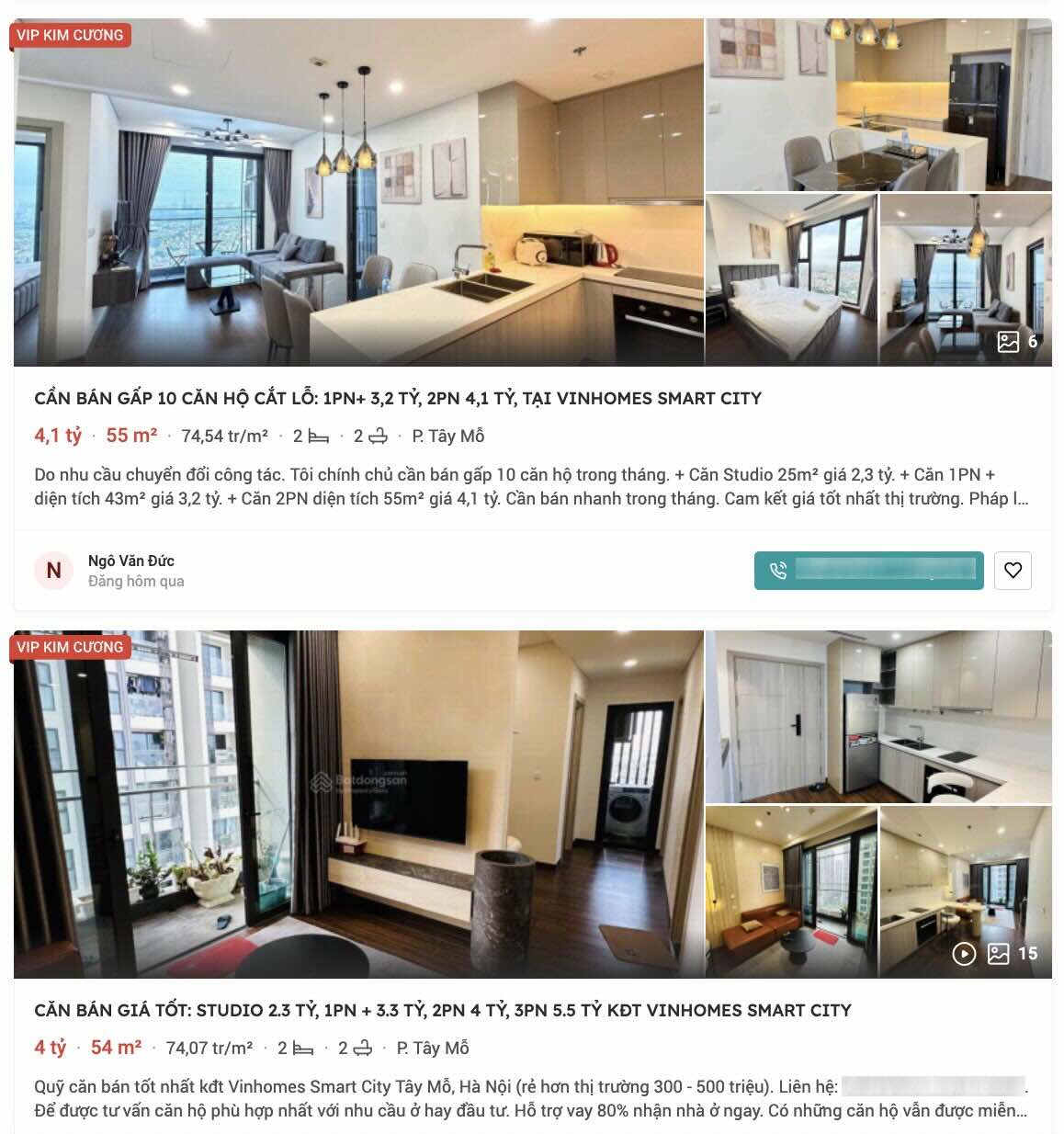
In the Linh Dam area, HUD Tay Nam Linh Dam apartment building is currently offered for sale at about 90 million VND/m2, down about 5% compared to before the Lunar New Year. HH Linh Dam complex also retreated to around 4.5-4.8 billion VND/2-bedroom apartment.
In Hoang Mai district, many projects simultaneously adjusted prices. Apartments at Feliz Homes (Hoang Van Thu) were once offered for sale at 85-90 million VND/m2, now reduced to about 6-6.5 billion VND/unit, lower than 300-500 million VND compared to before.
Similarly, Phuong Dong Green Park (Tran Thu Do) and Rose Town (Ngoc Hoi) recorded the price of 2-bedroom apartments decreasing from 5.5-5.8 billion VND to about 4.8-5.15 billion VND.
Even old apartment buildings in the new Dinh Cong urban area such as CT2, CT5, CT9 or AZ Sky also have a situation where homeowners actively reduce prices from 100-200 million VND to find buyers.

The Q1/2026 report of the Ministry of Construction also shows that the adjustment trend has appeared more clearly in the secondary market. Many projects that once peaked at the end of 2025 have now slightly decreased by 2-8%.
For example, FLC Complex 36 Pham Hung decreased by about 5% compared to the end of last year. Xuan Mai Complex (Yen Nghia) decreased by about 8.1% compared to the peak of January 2026. Meanwhile, Masteri West Heights or Mipec Rubik 360 also recorded a downward trend although prices are still significantly higher than the same period last year.
Experts believe that the "buy where you win" period of the apartment market may have passed. After prices increased too quickly, far exceeding the income growth rate of most people, liquidity began to weaken and market sentiment became more cautious.
According to Mr. Nguyen Tuan Anh - founder of FinPeace, most real estate holders today still expect asset prices to increase in the long term instead of revenue from leasing. Therefore, it is not advisable to rush to sell assets just because the rental yield is low.
However, according to this expert, for retirees or those who need stable monthly cash flow, selling off real estate to switch to savings or investing in high-quality bonds may be a suitable option in the context of increasing living costs.
In the short term, the Hanoi apartment market is forecast to be unlikely to repeat the hot growth period like 2024-2025. As supply gradually improves and speculative demand weakens, the price level tends to enter a phase of adjustment and stronger differentiation.


