
As many renewable energy projects are still struggling with legal, infrastructure, transmission and connection problems, progress is gradually becoming a new screening criterion for the market. Whether a project can go to commercial operation quickly or slowly is directly determining the ability to participate in the market and generate cash flow.
In which, the Savan 1 wind power plant of businessman Do Quang Hien in Laos is a typical example. For phase 1, the project invested by T&T Group in Savannakhet province (Laos) has been completed and put into commercial operation (COD) with a capacity of about 300 MW on a total designed scale of 495 MW.
When progress is a competitive advantage
The project is being implemented in Phin district, Savannakhet province (Laos). This area has complex terrain, stretching through many hilly areas, and limited infrastructure. The transportation of equipment, especially large-sized components (turbine height is 130m, propeller diameter up to 171m) requires synchronous preparation from the beginning.
Instead of deploying in the usual order, the project is organized in many parallel construction teams. Items from opening service roads, reinforcing foundations, constructing pier foundations, installing turbines to pulling transmission lines are deployed simultaneously. This organization method significantly shortens "standby" between stages - a factor that is often underestimated but prolongs the overall project progress.
The 220kV power line, nearly 70km long, was invested from the beginning, instead of waiting for the plant to be completed before processing and connecting. With high determination, just over 6 months after being launched, the "serum" line was completed, helping the project avoid the situation where the plant has completed construction but cannot generate electricity due to lack of transmission infrastructure.
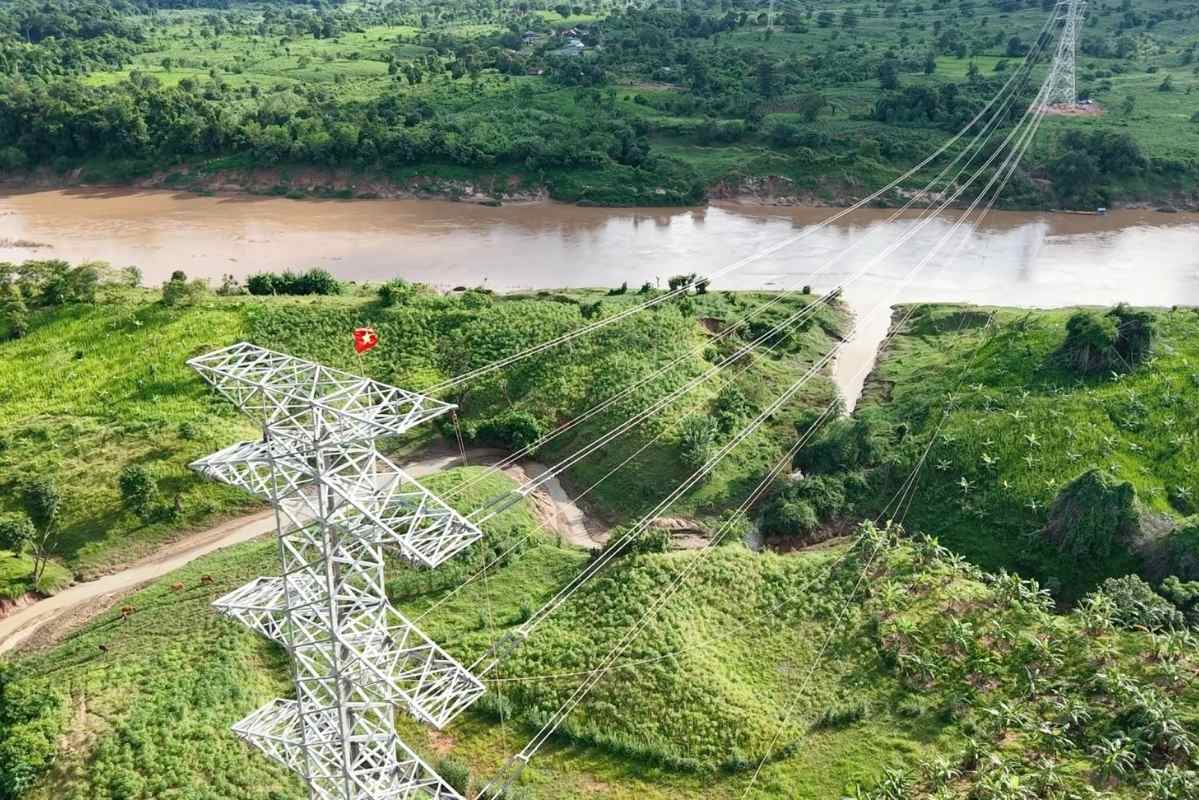
By the end of December 2025, 48 wind turbines in component 1 of Savan 1 Wind Power Plant have officially started commercial operation, bringing clean electricity to Vietnam. The total implementation time of the entire implementation chain, from legal completion, construction organization, infrastructure investment to system connection, is exactly 16 months.
Assessing the project, Vietnamese Ambassador to Laos Nguyen Minh Tam also especially emphasized the factor of construction speed and project completion. The Ambassador affirmed: One of the notable points of Savan 1 is the implementation progress and construction organization capacity of Vietnamese enterprises participating in the project. In a short period of time, the general contractor consortium completed a large volume of work, from terrain survey, technical design, transportation of super-heavy equipment to installation and completion of 48 wind turbines.
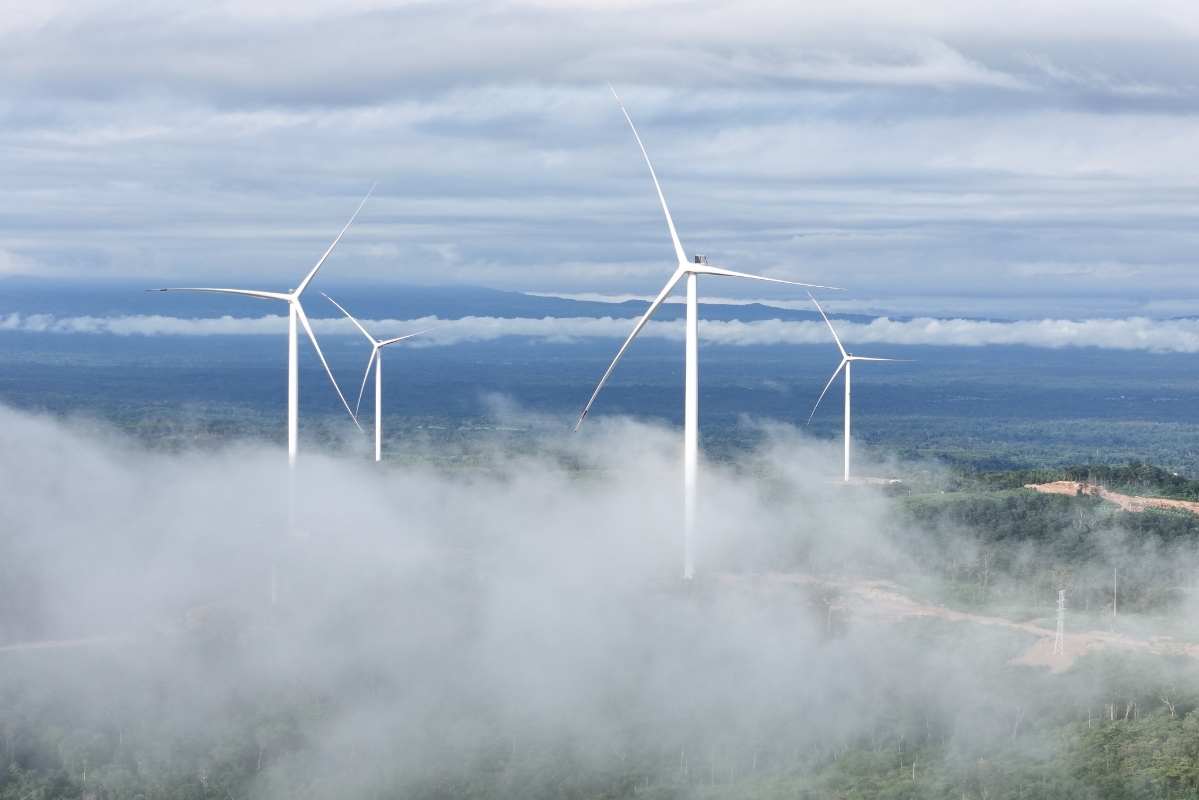
This progress is assessed as fast compared to the general level of wind power projects of similar scale in the region, showing that the organization, management and construction capacity of Vietnamese enterprises when participating in energy projects abroad is increasingly improved" - the Vietnamese Ambassador to Laos emphasized.
In addition, according to the Ambassador, Savan 1 is also one of the typical projects in the field of cross-border renewable energy, contributing to concretizing the goal of increasing electricity imports according to agreements between the Governments of Vietnam and Laos.
Commercial operations: The line between cost and cash flow
In the energy industry, the commercial operation milestone (COD) is a clear boundary between two states: investment and value creation.
From this perspective, the progress of implementation has a direct impact on investment efficiency. Reality shows that delays often lead to increased capital costs and prolong the project's capital recovery time. Conversely, an early COD project helps activate cash flow earlier, reduce financial pressure and create room for subsequent investment plans.
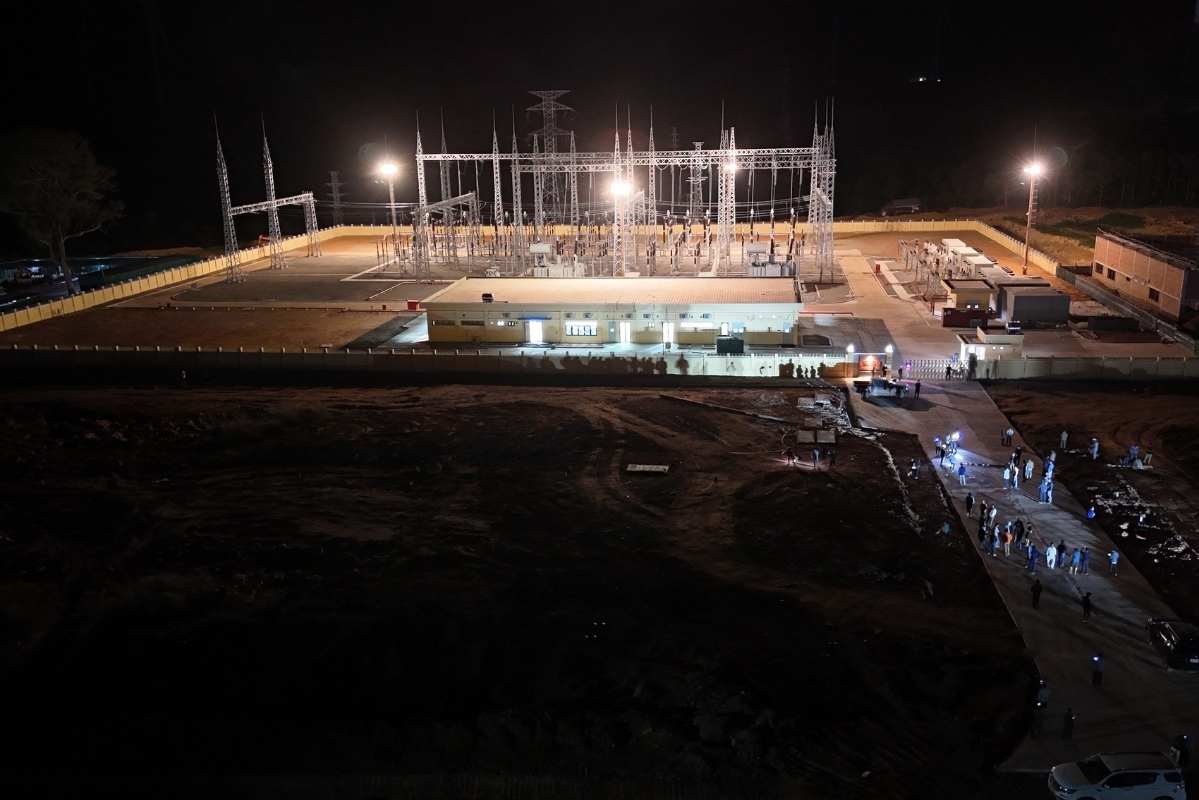
According to information from the investor, the electricity output in phase 1 of the Plant reached 0.9 billion kWh/year, capable of supplying electricity to millions of households.
T&T Group putting Savan 1 into commercial operation right before the new year 2026 is also recognized as one of the ten typical events of Vietnam's energy industry in 2025. Notably, Savan 1 is currently continuing to expand according to the roadmap that T&T Group has previously identified. Currently, infrastructure construction for phase 2, including bridges, roads, and auxiliary works, has been carried out.
When completed, the total capacity of the entire project will reach 495 MW, making Savan 1 one of the largest onshore wind power clusters in the region.


