
The US warned that any transportation company that pays travel fees or other fees to Iran to pass through the Strait of Hormuz is at risk of being sanctioned.
A statement from the Office of Foreign Assets Control (OFAC) under the US Treasury Department said that Iran may request transportation companies to pay in legal tender, digital assets, forms of offsetting, informal swaps or in-kind payments.
The announcement also stated that these payments could be disguised as charitable contributions, including transfers to the Iranian Red Crescent Society, the Bonyad Mostazafan Fund or accounts of the Iranian embassy.
“OFAC is issuing this warning to remind US and non-US individuals and organizations of the risk of being sanctioned if they make these payments or seek guarantees from the Iranian government to travel safely. These risks exist regardless of the form of payment," the statement emphasized.
Both the Iranian government and the Islamic Revolutionary Guard Corps (IRGC) are currently still on the US sanctions list.
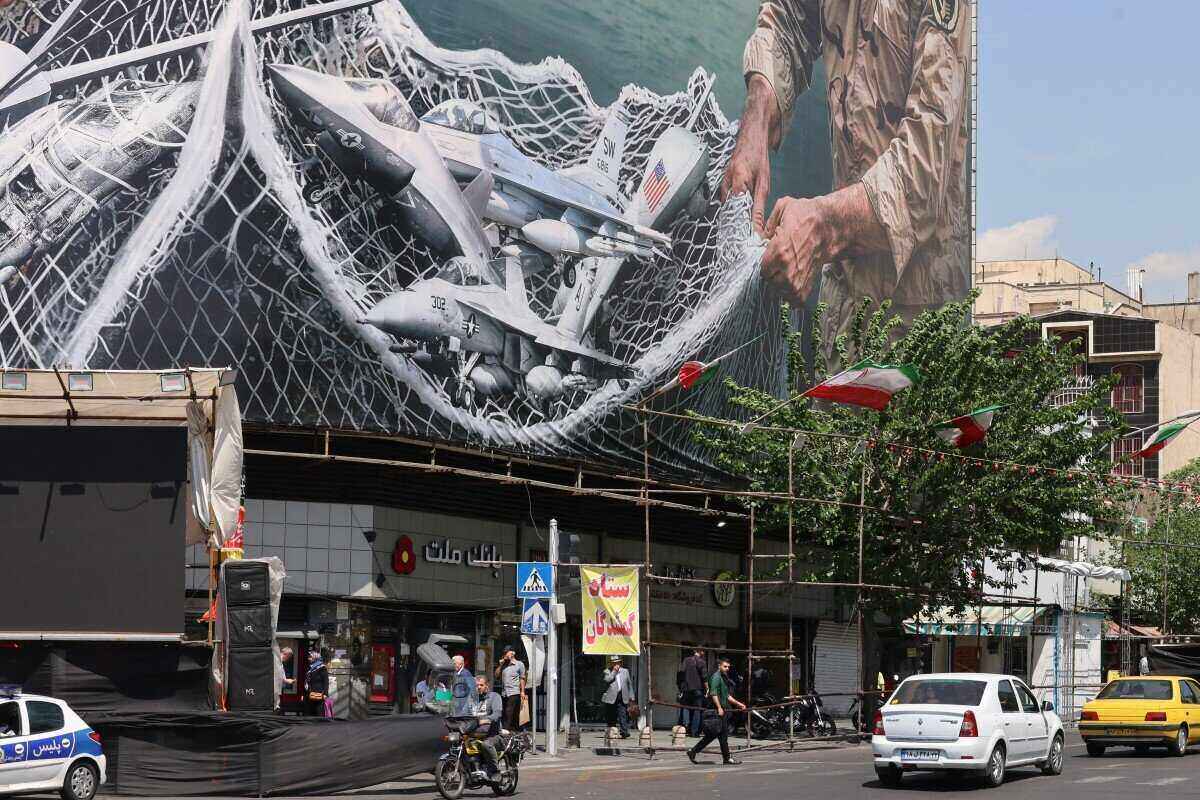
The warning was issued on May 1st as the US naval blockade in this strait has entered its 3rd week, amid deadlock in ceasefire negotiations between the US and Iran.
Iranian President Masoud Pezeshkian called the siege of his country's ports "unacceptable".
Iran's influence on the Strait of Hormuz, as well as the possibility of closing this route, quickly became an important lever immediately after the US-Israel attack on Iran on February 28.
About 1/5 of the world's crude oil and natural gas (LNG) transported by sea passes through the Strait of Hormuz.
In previous proposals to end the conflict, Iran had proposed to charge fees to ships wishing to pass through this area. Washington has repeatedly rejected that possibility.
The warning was issued in the context of Iranian state media reports that Tehran has sent a new proposal for a long-term ceasefire to the administration of President Donald Trump.
White House spokeswoman Anna Kelly did not "disclose details of private diplomatic exchanges", and declined to confirm that she had received this proposal.
Mr. Trump has repeatedly affirmed that Iran should never possess nuclear weapons, and negotiations are still ongoing to ensure US national security in the short and long term," the spokesman added.
The two sides have mostly stopped attacks since reaching a temporary ceasefire agreement on April 7. However, Mr. Trump has repeatedly threatened to resume attacks when negotiations fall into deadlock.
On May 1, Iranian Foreign Minister Abbas Araghchi said that Tehran is still ready to dialogue with Washington if Washington changes its "expanded influence approach" and "threatening tone".


