
Real estate is still a safe and potential investment channel
Despite the macroeconomic fluctuations of the world economy, the economic picture of Vietnam in the first 6 months of 2026 recorded very impressive growth indicators. The national GDP increased by 8.18% compared to the same period - setting the highest growth rate in the past 16 years. Along with that, total registered FDI capital into Vietnam reached 34.65 billion USD, a sharp increase of 61% compared to the same period last year. In that huge foreign capital flow, the real estate business continued to maintain its second-place position, attracting 5.1 billion USD (accounting for 17.9% of total registered capital).
These telling figures reflect an objective reality: outstanding economic growth and abundant FDI waves are directly creating a very large and real demand for housing, trade, industry and logistics. Real estate is not an isolated market, but a backbone sector of the economy, contributing nearly 10% to the overall GDP and having a spreading effect, directly impacting dozens of other related industries.
In the context that other investment channels still contain many fluctuations, real estate still plays a role as a long-term asset accumulation channel thanks to its ability to create and maintain value over time. The market's prospects are not only supported by macroeconomic factors, but also by the large demand for housing ownership and sustainable accumulation of Vietnamese people in the context of rapid urbanization, the increase of the middle class and the trend of prioritizing real value assets.
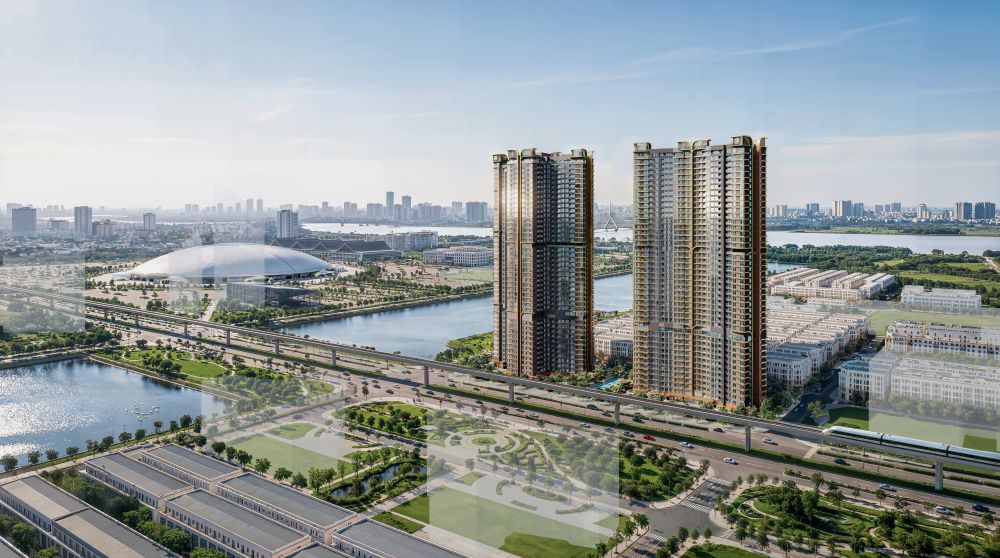
Real data from the Vietnam Real Estate Market Report for the second quarter and the first 6 months of 2026 from the Vietnam Association of Realtors (VARS), Vietnam Real Estate Market Assessment Research Institute (VARS IRE) shows that the total number of new housing transactions in the first 6 months of 2026 reached about 48,000 transactions (absorption rate reached 49%), of which the apartment segment accounted for 73% of the transaction volume.
This demand shows that cash flow has never left the market, buyers are just becoming more pragmatic, wise and selective. Real estate is still a safe haven for cash flow, but for medium and long-term investment needs, towards real value, there is no room for "surfing waves" thinking to anticipate virtual fevers.
Impact from the "trio" of new laws: Natural "filter" to differentiate the market
This shift also receives decisive impact from the effects of three amended laws: Land Law, Housing Law, Real Estate Business Law. New regulations tighten business conditions, publicize project information, regulations on deposits and financial capacity. This factor helps eliminate "on-paper" projects or investors with weak capacity, creating a transparent legal corridor to protect buyers. Under the adjustment of the new law, smart money flows are concentrated in large urban areas with systematic planning, synchronous infrastructure and clear legal status.

The differentiation of the market is not only taking place in the product aspect but also strongly taking place in the structure of participating entities, especially investors. This stage is the time when the market screens to retain real estate businesses that are truly capable and have sustainable vision.
The above report from the Vietnam Association of Realtors also clearly shows: New supply and consumption in the market continue to be led mainly by leading "giants" in the industry. Leading enterprises such as Vinhomes, Masterise Homes and Sun Group have contributed about 43% of the total newly opened supply nationwide. In particular, in terms of liquidity, the group of large and reputable investors achieved an absorption rate of up to about 70% - this is a superior figure.
The new "rules of the game" belong to reputable and capable investors
First, regarding capital and finance: In the context of increasing capital costs, the pressure of floating lending interest rates is maintained at a high level (commonly from 12-14%/year), the banking system strictly controls credit room towards actual needs, then financial management capacity and cash flow determine the survival of businesses.
Second, regarding input costs and development capacity: The application of a new land price list close to market prices from the beginning of 2026, although contributing to market transparency, also significantly increases compensation costs, site clearance and land use fees. Along with fluctuations in construction material costs (sand and stone prices increase by 60-100%, steel prices increase sharply), this becomes a natural "filter" for the capacity of investors.
In that context, only businesses with strong financial potential, cash flow control capacity, large-scale clean land fund ownership and actual implementation capacity can maintain progress, ensure quality and offer appropriate financial solutions to accompany customers.
For buyers, this is not only a guarantee for the project to be implemented in accordance with commitments, but also contributes to minimizing legal risks, progress and quality throughout the ownership journey, thereby creating a more secure foundation for both housing needs and long-term accumulation.
Third, about product quality and life experience: Reputable investors not only improve the quality of works, but also shift to a more comprehensive approach: from design, materials, green space, "All-in-One" utility system to operational services and the ability to maintain the quality of life after handover.
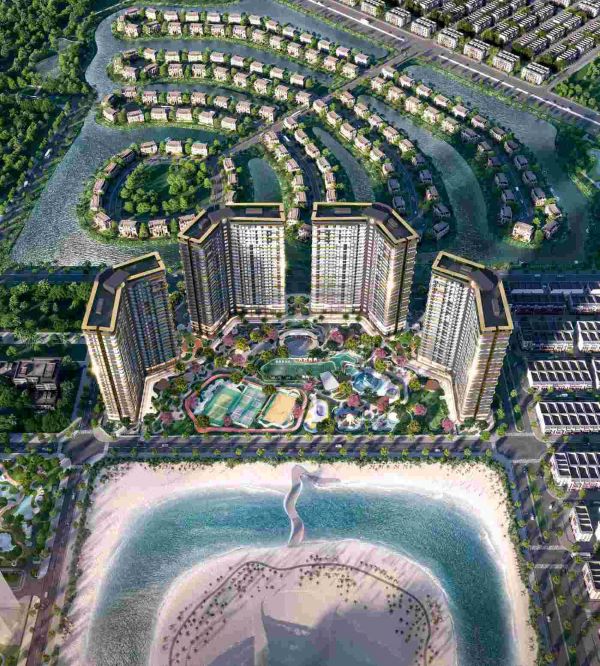
In the new cycle, customers no longer only evaluate a real estate at the time of purchase, but are increasingly interested in the actual experience throughout the use process: whether utilities operate effectively or not, how the residential community is formed, whether service quality is maintained and whether assets continue to maintain their attractiveness over time or not. These are also the criteria that are reshaping the concept of "real value" in the market.
The current shift is not just a cyclical adjustment, but reflects the deep restructuring process of the real estate market. The concept of "reality demand" should therefore also be viewed in a broader sense: not only the need to buy a house to live in, but also including the need to accumulate safe assets, exploit for rent, serve the family or develop business, as long as it is linked to affordability and creates real utility value.
This is also the reason why in the context of an increasingly differentiated market, cash flow tends to turn to projects of Real Estate Developers that meet real housing needs and possess proven enforcement capacity.
More than creating quality projects, the capacity of a Real Estate Developer is also reflected in the ability to accompany customers from choosing a place to live to the journey of becoming a part of the residential community. This persistent companionship creates values that transcend the meaning of an asset, towards creating a sustainable living experience.


