
Tan Ca, the car was tired and took Ms. Ngan to a high -class apartment in District 4. Wearing the card one by one through the security gate, swiping the card a second time in the elevator, and swipping the third -time card to open the door of the apartment - the familiar repetitive operations every day. The long corridor smoked with the closed door. The apartment she borrowed from buying banks was not cheap, in exchange for a private corner and convenient to work in the center.
Dinner is delivered. On the table, besides the food is the phone screen, social networks appear, the only place she feels "connected" after a long day. The status line of a famous person made Ngan stop pushing his thumb: "A civilized city really has to be measured by the quality of conversations without being distracted by the telephone screen, not the height of the buildings. (Dong Lam Thanh Tung architect). She turned off the application, looking out.
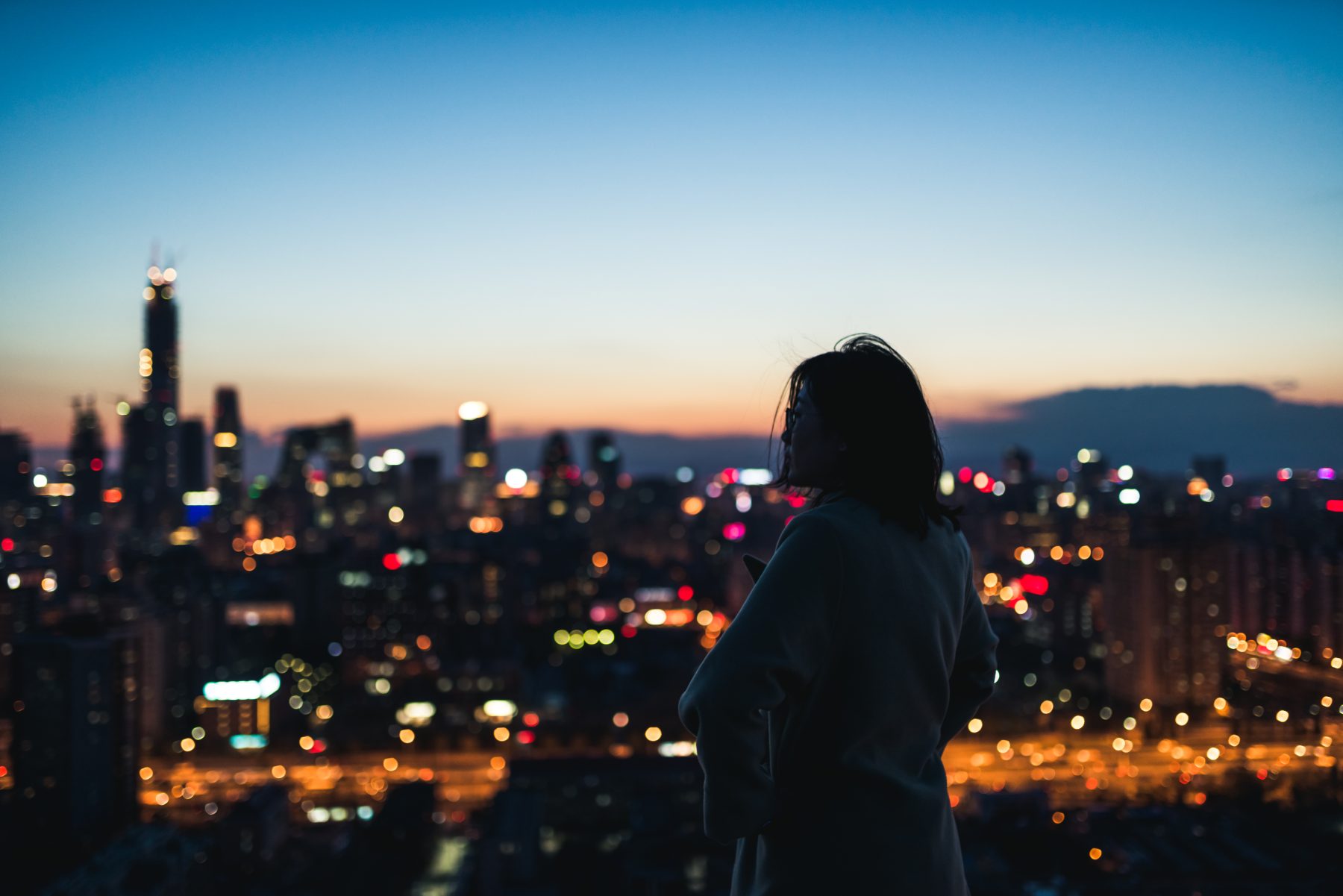
Emotional cracks in the heart of the city
As an inevitable process of modern society, urbanization brings intertwined opportunities and challenges. Not only is it simply an increase in the number and scale of cities; the urban concept has also become a profound shift in lifestyle, family structure and social relationships. This process is further promoted when merging the boundaries between provinces, cities and districts. In addition to streamlining the apparatus, community culture is also gradually "synchronized" with the urban lifestyle.
One of the characteristics of an urban area is its high population density. Vietnam's average population density is 305 people/km2 in 2024, but in reality, large urban areas have a higher density, from 1,000 to over 3,500 people/km2 depending on the type. According to statistics, since 2010, Vietnam's urban population has grown by about 3% per year, higher than the average of Southeast Asia. By 2024, the urban population will reach 38.2%, equivalent to nearly 38.6 million people. The dense concentration of urban areas is considered a special social environment for the feeling of identity to develop.
Explaining this feeling further, sociologist Georg Simmel, in his work "Grand Cities and spiritual Life", pointed out that urban social interactions are often only functional, rational, and impersonal, leading to individuals being less recognized or remembered in the crowd. Humanist Marc Auge calls spaces such as airports, supermarkets, and expressways "non-places" because they are seriously lacking personal, historical, or personal connections.
Thus, it can be seen that methodical urban planning is not only about arranging roads and buildings, but also creating an environment to nurture emotions. Because factors such as architecture, landscape design, population density, sound presence or light arrangement... all silently affect human mood, behavior and cohesion.
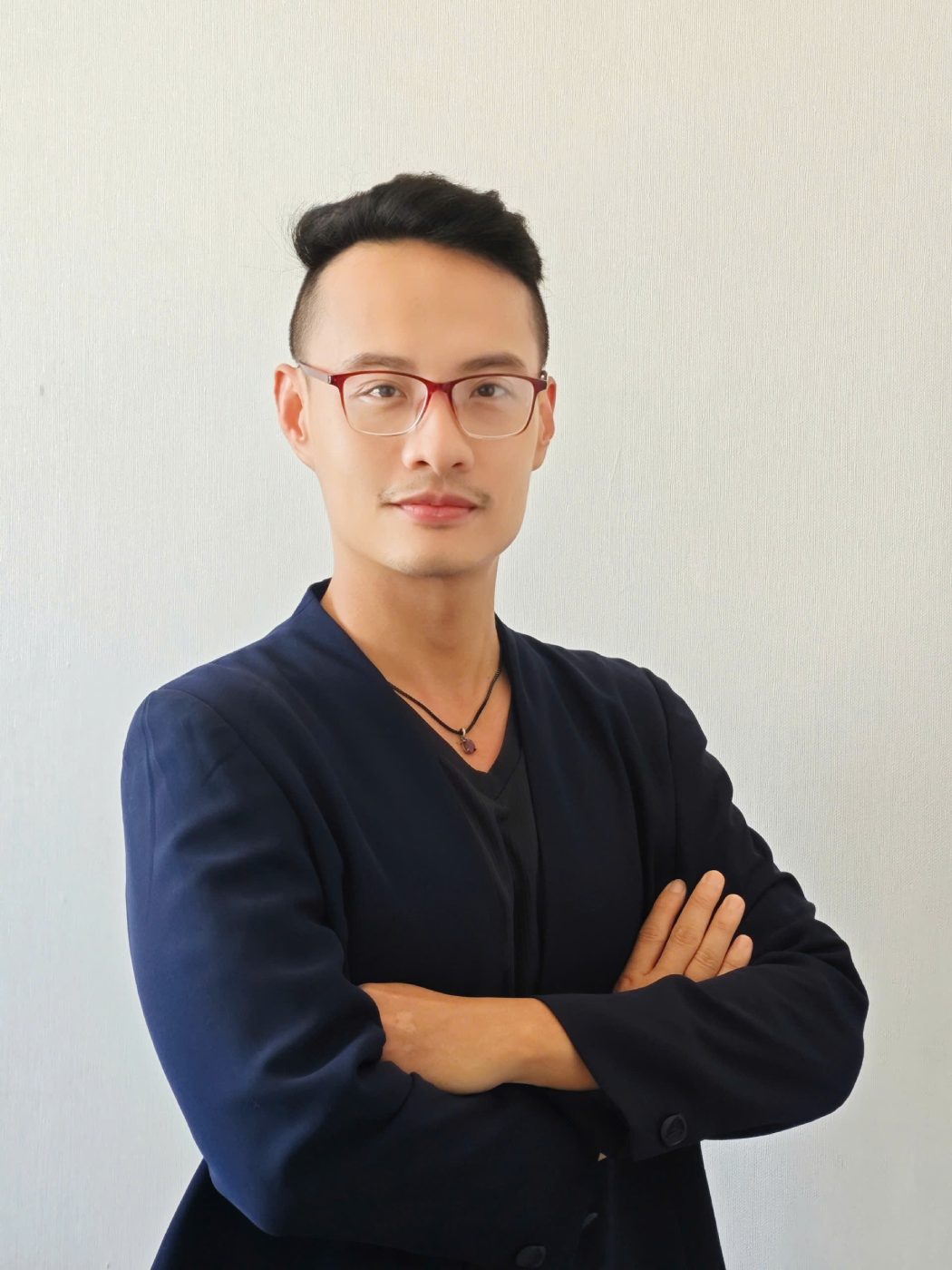
Sharing about this issue, Architect Dong Lam Thanh Tung gave an in-depth perspective. He warned that a city lacking the necessary "calm spaces" would risk turning into a "huge machine", where "road is just for going, not stopping, space is just a destination, not a place." That machine, according to him, will become "soulless", so there is no affection." Architect Thanh Tung emphasized that the biggest consequence of this incestuous planning method "is not the lack of space, but the lack of 'land' to sow 'connecting' seeds". That is the paradox of modern urban areas: we can build more houses, more roads, but there is a lack of spaces that truly nourish the soul.
Finding "DNA" for urban areas
Looking at large cities, most indicators such as infrastructure and utilities can be measured and clearly seen. However, the indicators of happiness and mental health, community cohesion, intimacy, and positive emotions about the place of residence are almost absent.
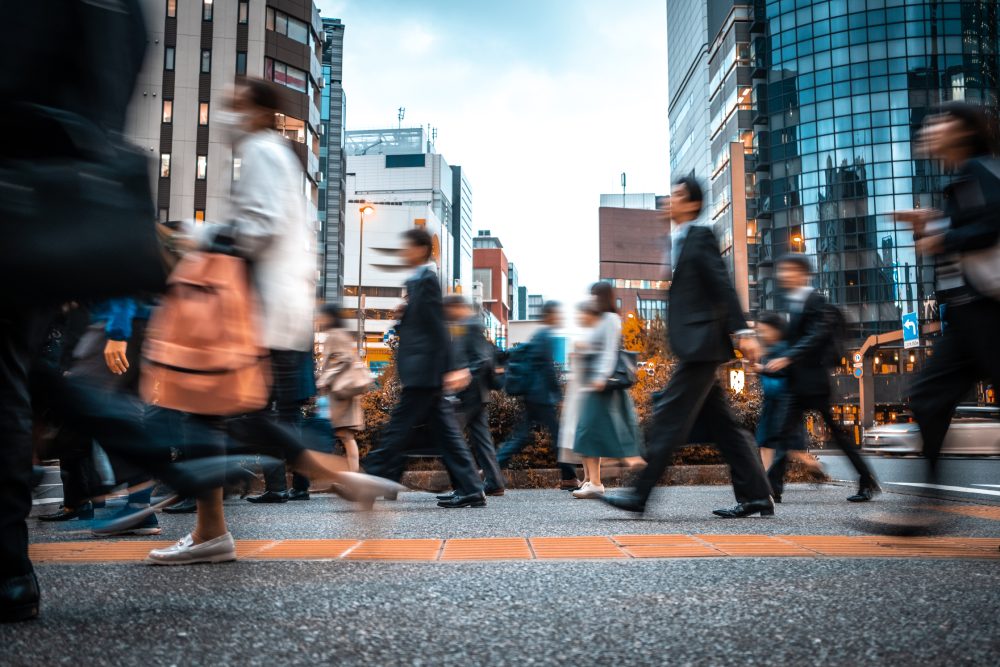
Because it is difficult to qualify and standardize, human emotional measures are often taken lightly, even overlooked in planning drawings or urban development decisions. The space for the soul seems to be inferior to the pressure of density, of optimizing functionality and profit per square meter. Just a little change, when every architectural work, every corner of a public street is created with both technique and empathy, then the interaction and connection between people will no longer be "luxury" or rare but will become a natural, existing part of urban life.
Sharing about the importance of human emotions in urban development, Architect Thanh Tung said: "The most vibrant city is not the sound of car horns, but the bustling beat of hearts that know how to vibrate in front of each other." For those "heart" to have space and an environment that is truly "feeling", urban construction needs to be deeply rooted in the identity and needs of the community.
Agreeing on the need for a more humane approach to the city, Doctor of Science - Architect Ngo Viet Nam Son pointed out the way: Must start from respect and preserve the identity and green space. In particular, urban identity is a unique "DNA" crystallized from history, culture, architecture and lifestyle, helping to connect people to the place and create attractiveness and competitiveness for the city. In order to preserve and create sustainable identity, the core is to listen to the community voices, respect and promote indigenous values instead of running after mass solutions. In other words, the city needs to be "human life", serving the needs of human security and emotions.
Heating the urban area with a sense of belonging
Faced with the increasingly urban situation facing the "densification" of emotions and disruption in community connection, the solution cannot be just to increase density or build more works. It is time for a strong shift in design thinking and planning: truly taking "people as the center", prioritizing the creation of urban spaces that can nurture the soul, foster spiritual life and heal social relationships.
To realize that philosophy, prioritizing the development of high-quality community spaces is a key factor. Instead of taking advantage of all land for concrete works, the city needs to reserve a worthy land fund for green parks, public squares where people can meet and interact, safe and creative playgrounds for children, and especially expand the network of walking paths and friendly bicycle lanes. These spaces are the "green lungs" and the "social heart", where community interaction and vitality are nurtured.
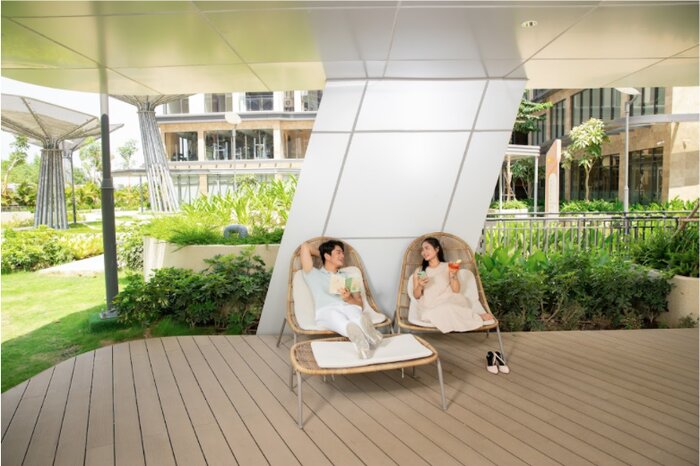
At the same time, it is necessary to aim to design residential areas in a comprehensive and sustainable manner. Not only individual housing blocks, new residential areas need to be planned as miniated "urban villages", fully integrated with essential amenities such as schools, markets, medical facilities, cultural and sports spaces within walking or easy access. This design not only improves the quality of life but also creates countless opportunities for residents to meet, get acquainted and build a sense of neighborhood in the modern context.
International experience has proven the effectiveness of this approach. Copenhagen (denmark) has long been a model of a pedestrian and bicycle-friendly urban area. Vienna (authrich) continues to lead the world in quality of life thanks to its strategy of developing social housing associated with diverse, quality public spaces. Right in Asia, Singapore, despite facing huge land pressure, is still constantly trying to integrate green space, water surface and community utilities into all development projects, creating a dreamy living environment.
That is also the aspiration for an ideal city for Vietnamese people that the passionate architects such as Architect Thanh Tung, Dr. Ngo Viet Nam Son and many other experts are aiming for. A city that is not only smart and modern in terms of infrastructure, but more importantly, a real "place", where each citizen feels connected, belongs, can live fully emotionally and easily find and nurture meaningful connections between people in their community.


