
The way Arsenal fell to Aston Villa - with the goal conceded from the last shot of the match at Villa Park - made the defeat even more bitter for Mikel Arteta and his team. Immediately after that, Manchester City's victory over Sunderland only increased the disappointment in the hearts of "Gunners" fans.
Arsenal's lead in the Premier League is now only 2 points. Of course, they know better than anyone that Man City is always capable of filling even bigger gaps. But anyway, it was still a lead. Arsenal still maintain their monopoly in the Premier League, and they have also won all 5 of their first matches in the Champions League.
Looking at the whole season, Arsenal have won 17 out of 22, drawn 3 and suffered only 2 defeats. The defeat to an Aston Villa side is in fine form right after an 18-match unbeaten run - the longest unbeaten run of any team in Europe's top leagues this season.
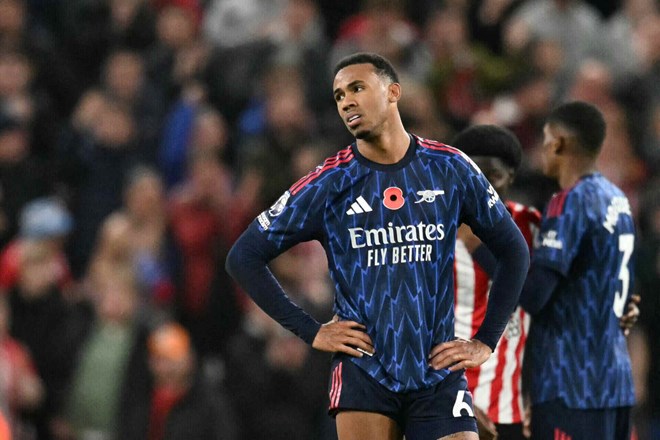
Less than two weeks after Arsenal ended another team's unbeaten streak with a 3-1 win over Bayern Munich at the Emirates, the atmosphere changed significantly. A familiar problem began to appear and caused them trouble.
93 injuries in 18 months
In addition to leading the Premier League and Champions League rankings, Arsenal are also in the leading group in another category, but this is not at all the position they want.
As of now, only Leeds have suffered more injuries than Arsenal's number 26. The current absentee list of the Emirates team includes 4 players, including three central defenders William Saliba, Gabriel Magalhaes, Cristhian Mosquera, along with Kai Havertz.
Martin Odegaard, Bukayo Saka, Ben White, Gabriel Martinelli, Leandro Trossard, Gabriel Jesus, Viktor Gyokeres, Noni Madueke, Christian Norgaard and Piero Hincapie have also been sidelined, many of whom have suffered repeat injuries. For example, Odegaard has just returned from a knee injury and had two shoulder problems.
A total of 14 Arsenal players have been injured this season, accounting for more than half of the squad, while only a few key players have maintained a stable physical condition.
This alarming injury rate continues from last season, when Arsenal lost a series of first-team players. Many have been out for a long time and The Gunners ended the season with the second most injuries in the league, behind only Brighton with 67.
If combining the last two seasons, Arsenal and Brighton are the only two teams with more than 90 injuries.
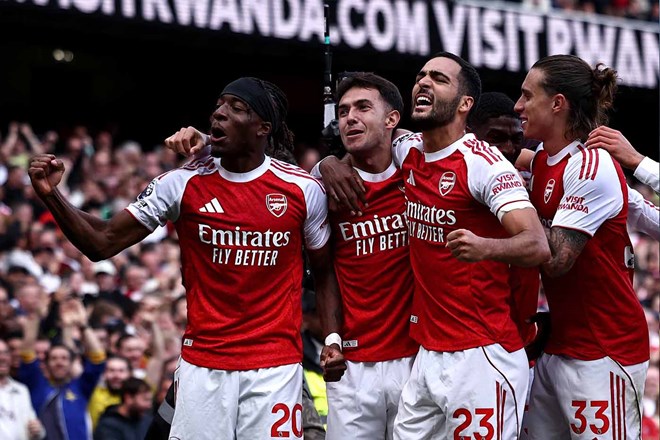
These figures put Arsenal's medical department at the crossroads of criticism. However, it is difficult to completely blame them, because injury prevention is a complex field.
Is Arteta exploiting too many players? Maybe. Last season's hamstring injury streak showed that many players had to work too hard, although Arteta still insists that those injuries are "out of his control". To justify, he could point to the fact that last season's lack of depth in the squad made rotation in key positions limited.
It is also important to emphasize that this problem does not only occur at Arsenal. Hamstring injuries are on the rise across Europe as competition intensity increases and the schedule thickens. And luck is also an indispensable factor. situation like Odegaard receiving the wrong goal, leading to shoulder pain, or Mosquera getting his ankle overturned, does not necessarily reflect a systemic problem.
A significant advantage for Arsenal this season is the quality of their squad that has been upgraded, with 8 new players worth a total of 267 million pounds added in the summer of 2025. However, a recent series of declining form shows that the depth of that squad is still being seriously tested as the problem of injuries continues to haunt them.


