
Chelsea's sudden dismissal of the coach (coach) and rushing into the race to find a successor in the middle of the season evokes nostalgia. The big difference this time is that they are no longer a team with a world-class squad competing for the Premier League title. Instead, they are a group of young stars approaching, with limited immediate success prospects.
Under Roman Abramovich, Chelsea is a truly formidable force when they are willing to pay any price to achieve their goals. The club still has wealthy owners, but in the context of being bound by the PSR regulations of the Premier League and the Financial Fair Play (FFP) of UEFA, their ambitions have been somewhat adjusted.
The signals sent from Stamford Bridge show that Chelsea is prioritizing building a long-term project rather than chasing immediate success. The result is only important to a certain extent, no longer a factor dominating the entire policy. The focus lies in the development and progress of key players.
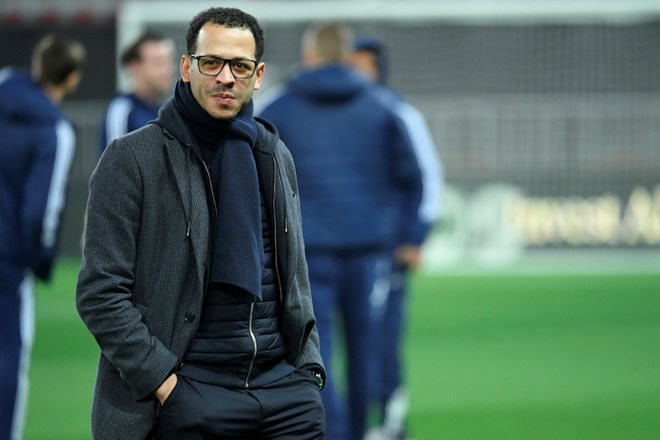
That is the context for BlueCo to decide to bring the head coach of the "satellite club" Strasbourg in Ligue 1 to take over the main team. Liam Rosenior, 41-year-old English coach - appointed in 2024 to replace Patrick Vieira - is now facing the opportunity to succeed Enzo Maresca at Stamford Bridge.
Most English football fans know Rosenior as a defender who has been through the Premier League and Championship, then switched to being a commentator before entering the coaching path in the second division. But in the role of Chelsea's new head coach, what will he bring?
What tactics and formation does Rosenior use?
One of the biggest complaints of Chelsea fans under Maresca is the lack of tactical flexibility. Chelsea often operates in a 4-2-3-1 formation, with at least one full-back rising to create a numerical advantage in the central area.
In addition to a few rare variations, their approach is quite predictable and often falls into a confused state when facing deep-down defenses. The Blues need space ahead to create opportunities and score conveniently.
Like Maresca, Rosenior wants his teams to deploy the ball from the lower line in almost every situation, almost always maintaining attacking options throughout the field. He often emphasizes the concept of "bravery" when holding the ball and wants players to dedicate themselves wholeheartedly.
This could create divergence at Stamford Bridge - where a part of fans prefer a more direct and faster playing style, even if it means less ball control and having to retreat deeper to defend more. Patience, especially in home matches, will not be great if Chelsea defenders continue to make serious mistakes in the ball deployment process.
For most of the 2025-2026 season, Rosenior often used a flexible 3-4-3 system in Strasbourg. Center forward Emmanuel Emegha, 1m96 tall, often leads the attack and wears the captain's armband when in the best condition.
Strasbourg has an average ball possession rate of 52.9%, the seventh highest in Ligue 1, and has the ability to penetrate the opponent's defense both in an imposed game and when switching to a fast counter-attack.
This team is also familiar with the traditional 4-defender system, so there is no guarantee that Rosenior will have a single formation, unlike Ruben Amorim's case at Manchester United.
Despite possessing a young squad, Rosenior still raised many important faces. Last season, Andrey Santos (a Chelsea player on loan) emerged as one of the brightest talents in Ligue 1 before returning to the first team The Blues this season.
Despite controversy about the role of providing players for Chelsea and reactions from fans, Strasbourg and Rosenior still overcame pressure to win a ticket back to the European arena this season. In the Conference League, they even defeated Crystal Palace and topped in the group stage.


