
On the sidelines in Liverpool's matches, there is always a familiar face. Pep Lijnders belongs to the tradition of successful assistant coaches of the team, although his fate - unlike Bob Paisley or Joe Fagan - is not to lead the club at Anfield.
Instead, Lijnders, after a period of unsuccessful time leading RB Salzburg, left Jurgen Klopp's assistant role to become second under Pep Guardiola. When the Spanish coach was banned from directing, he was in charge of the technical area in Liverpool's 0-4 defeat to Manchester City in the FA Cup.
Lijnders was once the person who set out the famous slogan under Klopp: "Our identity is decisiveness". He even wrote a book called Intensity. But Liverpool are now losing what once made their brand.
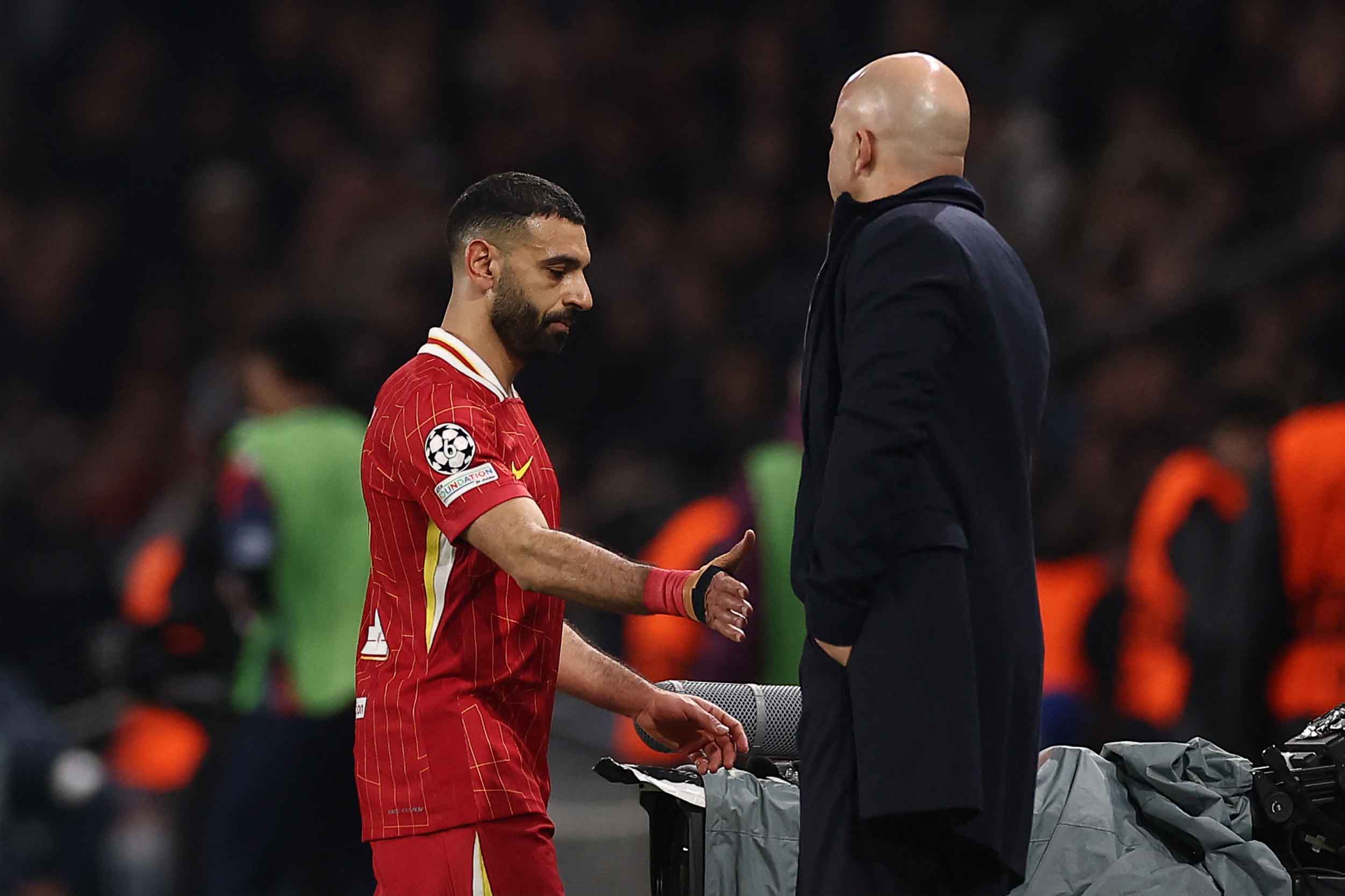
We did not maintain the desired intensity" - Virgil van Dijk admitted after the defeat. Meanwhile, Dominik Szoboszlai also pointed out the problem: "The fighting spirit is not strong enough, the playing mentality is not strong enough".
Under Klopp, Liverpool was once likened to a "spiritual monster", with a fiery pressing style of play. But now, the team seems to have lost that identity. Losing 15 matches this season - the most since the 2014-2015 season - shows that they are no longer an unbeatable opponent.
Not only losing a lot, Liverpool also often falls in a lackluster way. This is already the fifth defeat with a difference of 3 goals or more, and each defeat reflects the lack of bravery of The Kop.
Under coach Arne Slot, Liverpool sometimes gets lost right in the match. "Slotball" - an approach considered a version adjusted from Klopp's philosophy - used to be effective, but is now gradually losing its sharpness.
Part of the reason comes from the force. Despite spending up to 450 million pounds, Liverpool still lacks squad depth. Many key players have to play with high intensity, such as Van Dijk or Szoboszlai, making it difficult for them to maintain a high-speed playing style.
Long-term injuries and lack of rotation options make the team exhausted, no longer able to press continuously. This is a factor that once made success under Klopp.
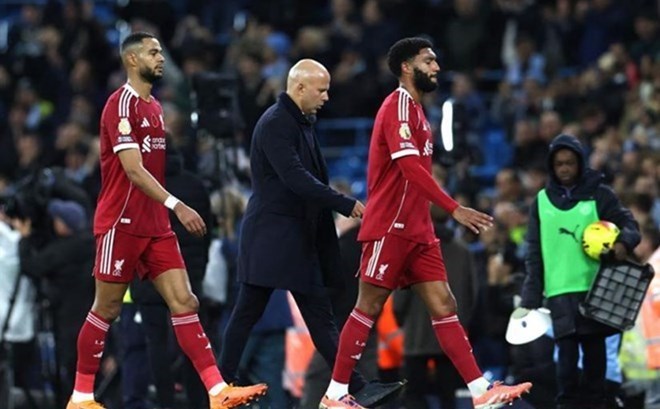
Besides, the "Red Brigade" also lacks efficiency. They conceded 63 goals in all competitions, while their ability to take advantage of opportunities is weaker. Creativity in open play is also no longer clear, in contrast to how Rayan Cherki made a difference for Man City.
Expectations for factors like Florian Wirtz have not been met as expected. The big question now is if Liverpool is no longer an energetic team, no longer has a clear identity, then what are they really? And more importantly, how will Arne Slot build Liverpool's image in the future.


