
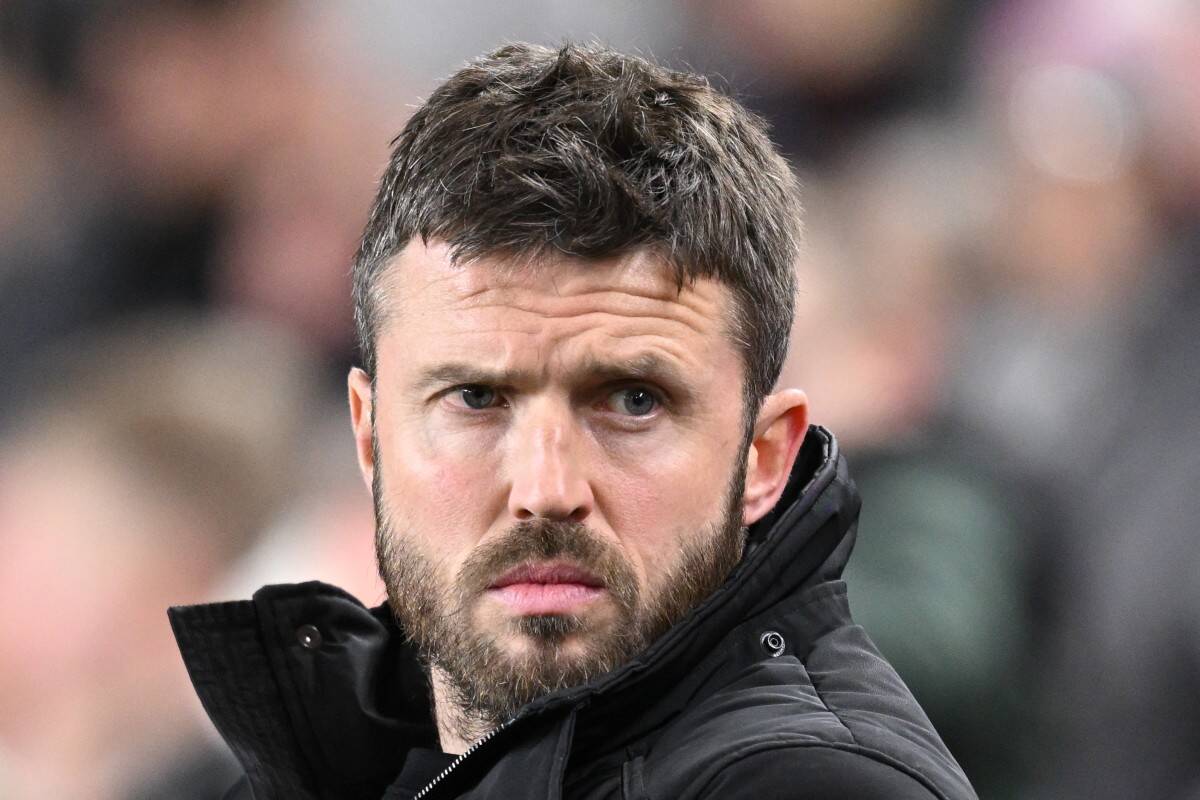
The last time Michael Carrick's analysis team was noticed in a Premier League match was the away match to West Ham's stadium. They brought a lot of tablets, then self-assembled videos and analyzed them together. Travis Binnion, a member of the coaching staff, went with the analysis team.
Previously, the person accompanying this group was Darren Fletcher in training sessions at Carrington. They often sat in high seats to have the most general overview of the exercises on the field. After receiving feedback from this team, Carrick would exchange directly with the players and usually short advice, not lectures right on the field.
For situations on the field, this group often gives suggestions to the head coach and assistant coaches. Not only are there corner kick arrangements, it is also how to deploy open balls, passes from the goalkeeper, how to defend, counter-attack or counter-attack situations.
After receiving the information directly, Carrick will decide whether to change tactics or not. Usually, these decisions will be made methodically during the break because when on the field, the English coach cannot fully convey the message to 11 players due to the distance and rhythm of the match taking place continuously.
There are 5 analysts for Man United's first team. Last season they had 6 people but because they had to play 60 matches in all competitions (this season there are still 40 matches, so they cut down on personnel). The names of this group include team leader Ben Parker, followed by Luke Lazenby, Luke Wright, Lewis Rhodes and Kaita Hasegawa. These are people who regularly work, sometimes Man United also needs the help of collaborators such as Eduardo Rosalino (who was brought in by Ruben Amorim), along with Pieter Morel and Kevin Keij (recruited by Erik ten Hag). With top teams in the Premier League, there are sometimes up to 10 analysts operating regularly.
These are famous experts in the industry but little known. They keep their identities secret, work very hard (time and travel may not be convenient). They are faces that are not recognized when leaving the bus before each match, but if you pay close attention, they are the ones who always hold a high-tech device in their hand.
Most of their time is spent analyzing videos, information and data, then working with the coaching staff to improve players, performance as well as team preparation. This includes post-match analysis, training analysis, opponent analysis and pre-match analysis, live/in-match analysis transmitted from seats near the press area to the bench.
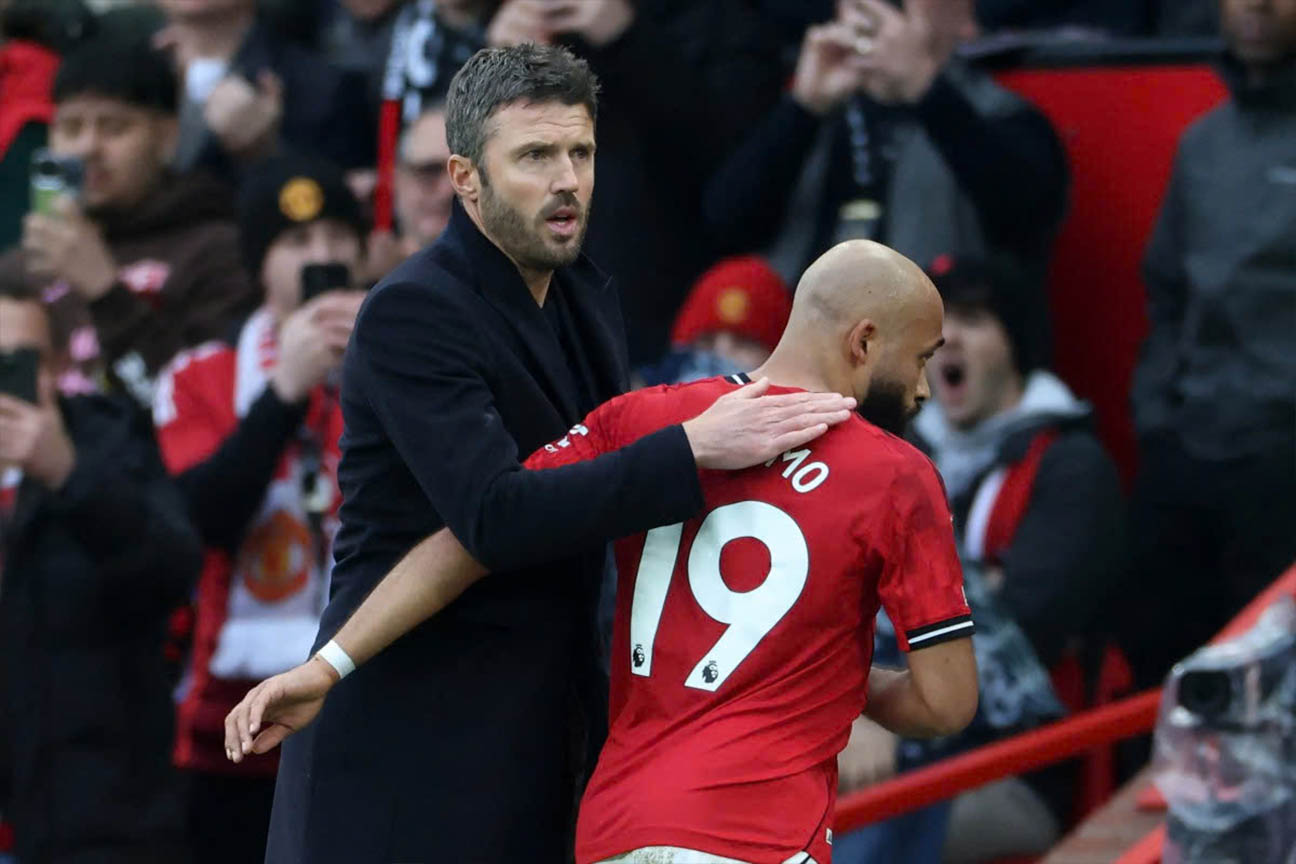
In the group of 5 standing analysts, Kaita Hasegawa has Japanese nationality. He is one of the very few experts from the land of cherry blossoms doing this job in the Premier League. Hasegawa's special thing is that he used to play football with Kaoru Mitoma of Brighton in his childhood. Hasegawa joined Man United in November 2022 after nearly 8 years working at Everton, where he worked under the guidance of coaches such as Carlo Ancelotti and Rafa Benitez.
While Jonny Evans is an assistant coach contributing professionally to set pieces (like Carlos Fernandes did before leaving with Amorim), Kaita Hasegawa also did the same. Usually, analysts can swap positions with each other, but Hasegawa's role has been almost completely maintained since joining Man United. Therefore, although rarely revealed, he is always an extremely effective assistant to the coaching staff.


