
On February 24, in the State of the Union address to both houses of Congress, US President Donald Trump affirmed that all US military equipment sent to Ukraine today is carried out through NATO mechanisms. Mr. Trump emphasized that allies have agreed to pay all costs for these orders, instead of relying on direct aid budgets from the US as in previous periods.
Everything we send to Ukraine is transferred through NATO and they pay us in full. They pay without a penny," the US leader declared.
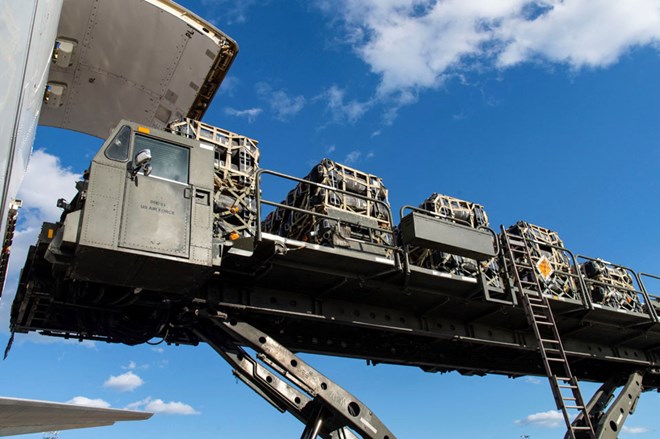
This is seen as a breakthrough change in Mr. Trump's foreign policy to reduce the financial burden on US taxpayers, while promoting European allies to be more responsible for the common security issue.
Mr. Trump also praised NATO member countries, calling them "friends and allies" after these countries agreed to increase military spending to 5% of GDP. This is a record figure, far exceeding the 2% that the US has urged for many years.
NATO's acceptance of this clause is assessed as aimed at maintaining the US commitment to the alliance during Mr. Trump's second term.
According to analysts, this "third party payment" model helps the US defense industry earn billions of USD in revenue from new arms orders. At the same time, pushing payment responsibility to NATO also helps Mr. Trump quell criticisms from within about the waste of national budget into foreign conflicts. However, the 5% GDP spending level is raising concerns about terrible budget pressure on European economies.
The situation in Ukraine is forecast to have new fluctuations as the flow of weapons now has a more stable and sustainable financial source. This consensus shows that European allies have chosen to compromise with Washington's tough demands to ensure military protection from the US in the context of extremely complex world geopolitics.


