
Morgan Rogers is expected to become an important piece in Xabi Alonso's tactical system, thanks to his versatility and ability to connect with Cole Palmer in Chelsea's attack.
Chelsea made one of the most notable deals in the summer transfer window of 2026 when spending £117 million to recruit Morgan Rogers from Aston Villa. Not long after signing the contract, the English midfielder revealed that he is very eager to reunite with his close friend Cole Palmer at Stamford Bridge.
The two players grew up together from the Manchester City training academy and always want to have a day to play side by side in a club's colors. However, the biggest challenge at this time belongs to Xabi Alonso, who must find a way to use the duo with many similarities in their playing style.
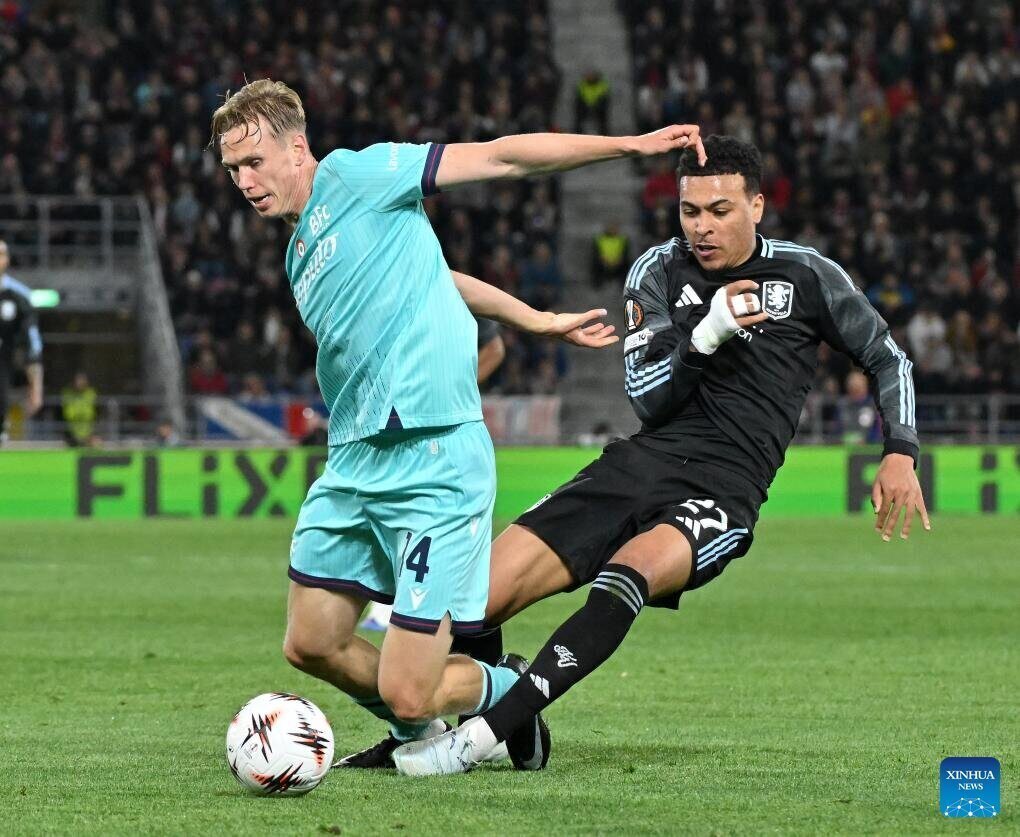
Under Unai Emery at Aston Villa, Rogers often played on the left wing in a 4-2-3-1 formation. Although starting from the wing, he often clung to the center to take advantage of his dribbling ability, acceleration and right-footed finishing.
Possessing physique, speed and the ability to dribble over the line, Rogers is particularly dangerous in situational transitions. He can also play many roles in attack, from winger, attacking midfielder to backward striker.
The versatility helps Rogers become a player suitable for Xabi Alonso's tactical philosophy, who always prioritizes players who can rotate roles continuously in the ball control process.
Unlike Aston Villa, Chelsea under Alonso is likely to control the ball more and maintain continuous pressure on the opponent's half.
The Spanish strategist often builds the team according to a 3-2-2-3 or 3-2-5 structure when attacking. In this system, the two attacking midfielders behind the center play a particularly important role, both connecting the playing style and constantly moving to create space.
Rogers meets almost all those requirements. The ability to hold the ball, dribble in tight spaces and overcome opponents in one-on-one situations will help Chelsea break the increasingly popular pressing and marking systems in the Premier League.
In addition, Rogers also brings a direct ball deployment plan. When the opponent puts pressure from the front line, Chelsea can completely use long passes for the English midfielder to act as a wall, hold the ball or stretch the defense.
In the 3-2-2-3 formation, Rogers is likely to take on the number 10 position on the left, while Palmer operates in the right half of the space. Both tend to stick to the center to coordinate, create and support the center forward.
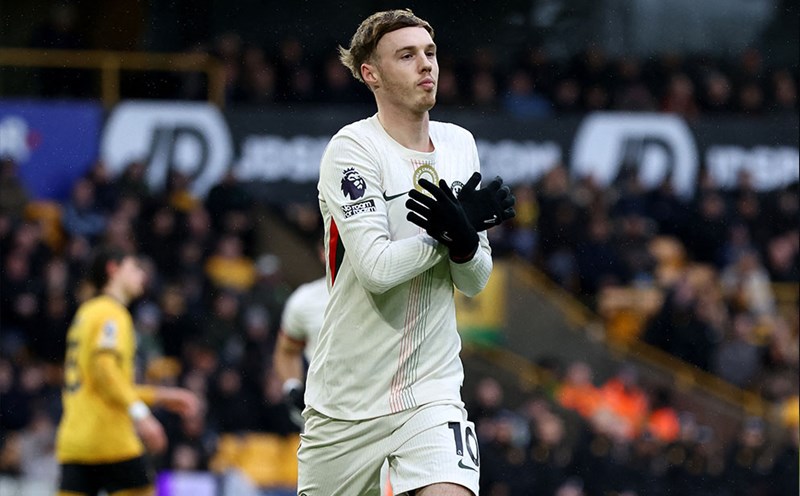
The inherent understanding between the two players who both won the FA Youth Cup in Man City's colors promises to help Chelsea have more attacking options. Palmer has the ability to launch decisive passes, while Rogers stands out with interceptions, penetrations into the penalty area and creating breakthroughs with speed.
In addition to ball handling skills, Rogers is also very active in pressing and changing positions. This is also a factor consistent with Alonso's philosophy, when attacking players must always be ready to regain the ball immediately after losing control.
Spending heavily to recruit Rogers is not simply adding a star to the attack. The Blues possess a player who can play many different roles in Alonso's tactical system. If he quickly integrates and combines well with Palmer, Rogers can completely become one of the important factors helping Chelsea compete for titles in the new season.


