
About 5 km long, 3 Thang 2 street starts from Dan Chu roundabout, passes through the old District 10, District 11 area before connecting to Cay Go intersection. This is an important East-West traffic axis, connecting the central area with the Western and Southwest areas of Ho Chi Minh City.
The route plays the role of "backbone", connecting vital axes such as Cach Mang Thang Tam, Ly Thai To, Le Hong Phong, Thanh Thai, Ly Thuong Kiet, Le Dai Hanh, Minh Phung, Hong Bang..., From here, the traffic continues to National Highway 1, National Highway 22, Vo Van Kiet Avenue, Cho Lon area, Tan Son Nhat airport and many other gateways.
3 Thang 2 Street also passes through areas with many hospitals, schools, and commercial centers such as Children's Hospital 1, Phu Tho Gymnasium..., so there is always a very high density of vehicles, especially during peak hours.
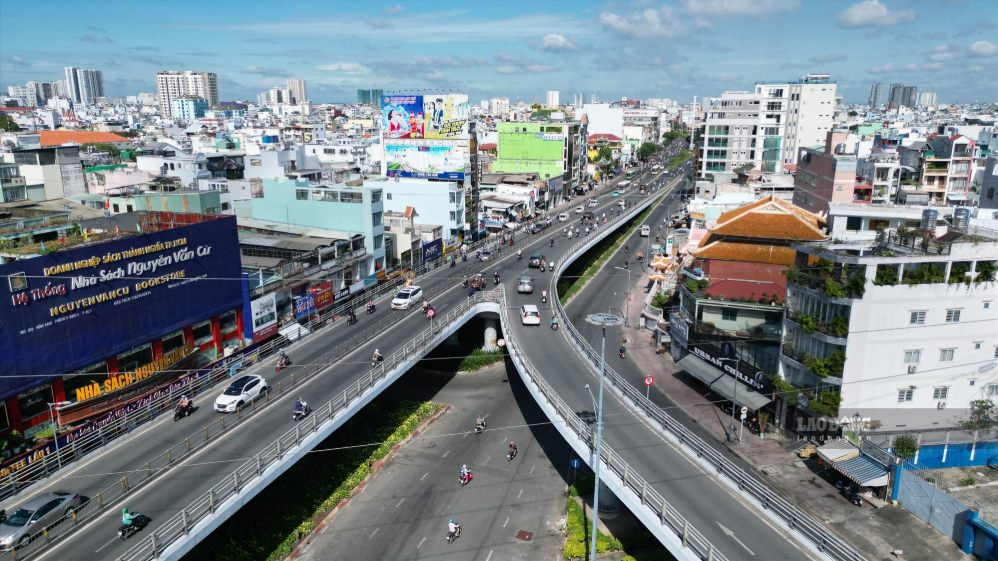
To reduce congestion, in 2013, Ho Chi Minh City put into operation two steel overpasses on 3/2 Street at Cay Go intersection and Nguyen Tri Phuong - Ly Thai To - Thanh Thai intersection.
The projects help separate traffic flow in the main direction, reduce waiting time for traffic lights and significantly improve congestion at intersections that were once traffic "hot spots" in the area.
However, the speed of vehicle increase in the past decade has made the two existing overpasses no longer strong enough to solve traffic pressure on the entire route.
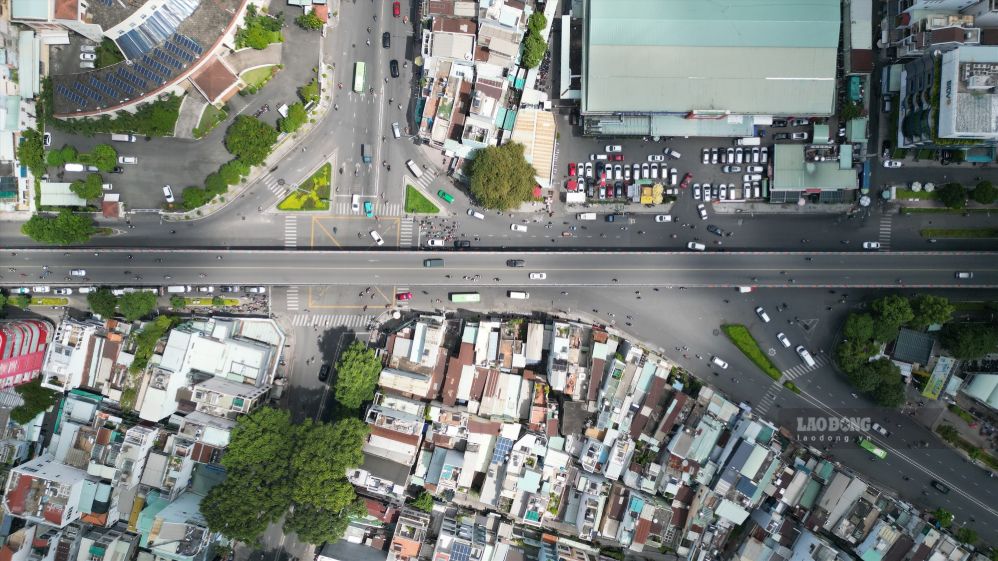
To continue to remove congestion, Ho Chi Minh City plans to invest in three more steel overpasses on 3 Thang 2 street.
Currently, the Ho Chi Minh City Department of Construction is proposing a policy to invest in two steel overpasses on 3 Thang 2 street, respectively at the Le Dai Hanh and Ly Thuong Kiet intersections.
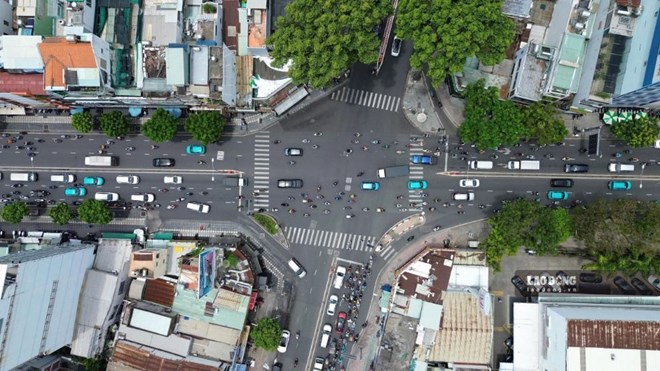
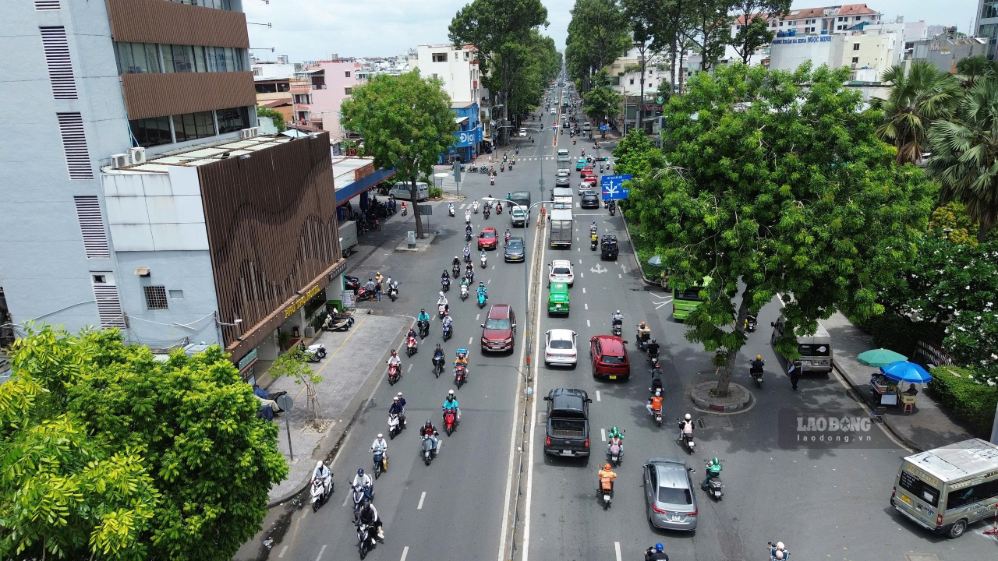
In addition, the Ho Chi Minh City Traffic Construction Investment Project Management Board has just proposed to adjust the investment policy for the steel overpass construction project at Nga Sau Cong Truong Dan Chu with a total capital of more than 328 billion VND.
The 260m long and 8m wide overpass will be built in the direction of Vo Thi Sau - 3 Thang 2; the traffic section under the bridge is organized by self-adjusted roundabouts or traffic light systems.
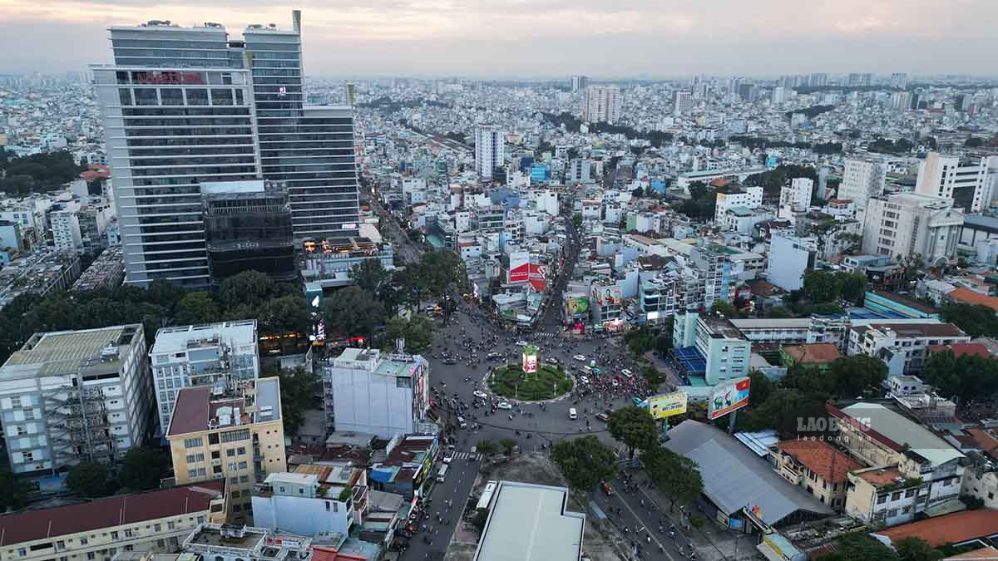
When the above three projects are completed, on only about 5 km of the 3 Thang 2 road, there will be a total of five steel overpasses.
Dr. Tran Quang Thang - Director of the Institute of Economics and Management of Ho Chi Minh City said that the preparation for investing in steel overpasses shows that the city is prioritizing quick deployment solutions, which are much cheaper than underpasses or road expansion in developed urban areas.
According to him, steel overpasses have the advantage of being fast to build, requiring little site clearance, and can be put into operation after about a year. This is a suitable solution to reduce congestion at major intersections while waiting for major projects to be completed.
However, the overpass only resolves traffic conflicts at each intersection. If the number of vehicles continues to increase, congestion may shift to nearby intersections.
In the long term, 3 Thang 2 street needs to be shared traffic by the metro network, high-quality buses and ring roads to reduce traffic pressure for the central area.


