
On June 12 (local time), Man United announced a long-term debt of 125 million USD, after restructuring a debt worth up to 425 million USD to be paid in 2027.
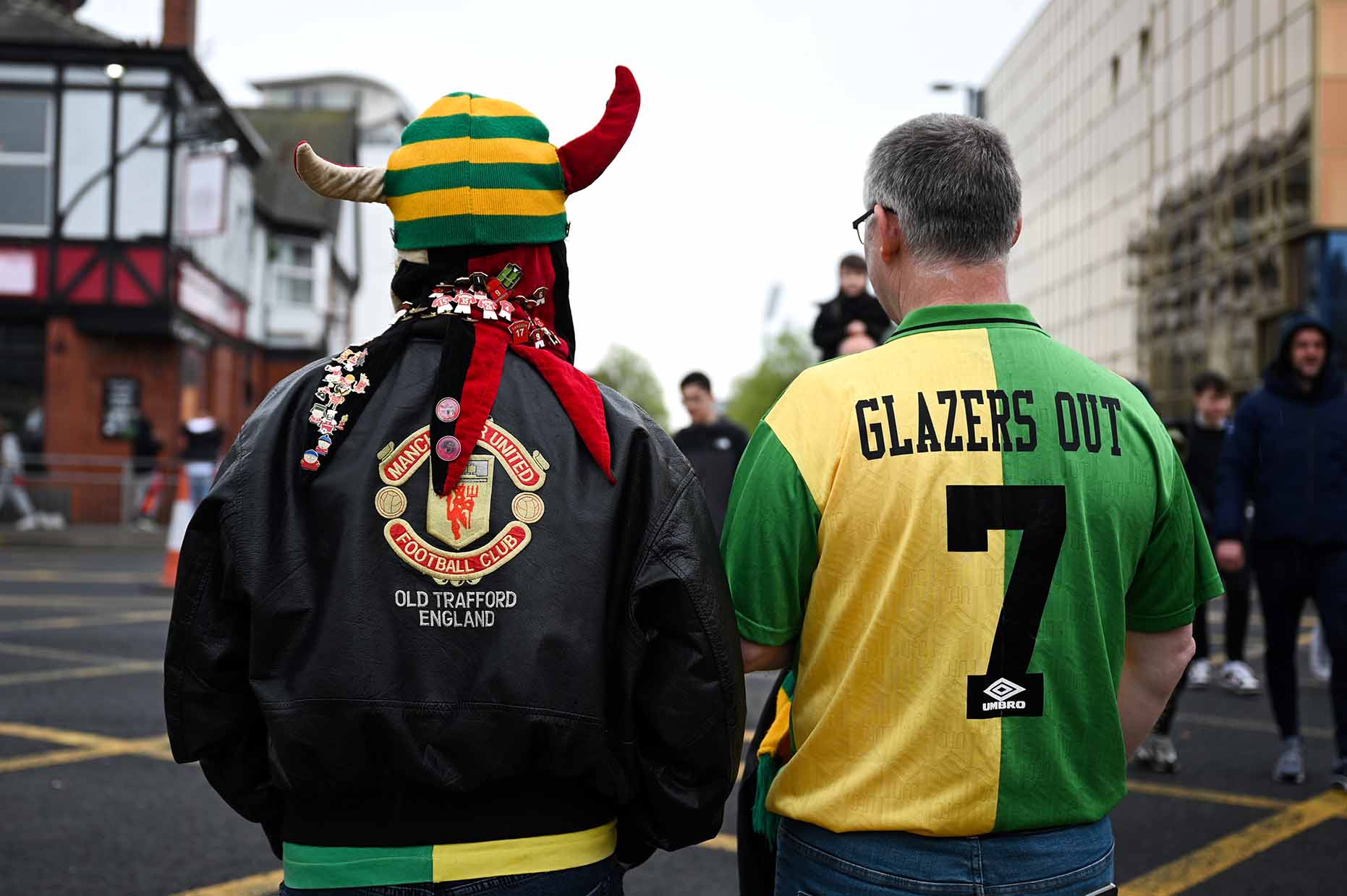
Before the Glazer family bought ownership of the club in 2005, Man United was a club without debt. At that time, a significant part of the money used by American owners to buy the club was borrowed money. Even after the purchase, the Glazer family also mortgaged all of Man United's assets, including the Old Trafford stadium, as collateral in case of bankruptcy and inability to pay.
In the era of Man United ownership, the Glazer family left the largest debt in the 2009-2010 season, with a figure of nearly 1 billion USD. At the end of that year, Man United had to restructure its finances. By 2012, the team was listed on the New York Stock Exchange, plus a restructuring in 2015, the burden of debt only slightly decreased.
Man United's debt structure is divided into 3 parts. The first part is the club's premium secured bonds, which previously had an unpaid amount of 425 million USD (fixed interest rate of 3.79%). This debt is expected to mature after more than a year, the time to pay if it is not refinanced.
The second part is Man United's secured loan, worth 225 million USD with volatile interest rates. This is a traditional loan, with Bank of America playing the role of lender. After the most recent financial restructuring, this debt is also expected to be repaid in 2031 to accommodate premium secured bonds.
The third is the rotating credit limit (RCF), which can be seen as a bank overrun, allowing the club to borrow cash and repay when needed. Man United has used their £(non-USD) RCF more frequently in recent seasons, since using up their cash reserves during the pandemic.
After this financial restructuring, Man United will have to pay higher interest rates for a larger premium secured bond debt. Simply put, the largest debt from the Glazer era (2009-2010 season) will become even more serious. With the current exchange rate, Man United will have to bear nearly 13.5 million USD in additional interest each year.
The more you look at this debt of the Glazer family, the more you see the courage of Sir Jim Ratcliffe and INEOS when taking over the team. The British billionaire officially took over in February 2024 when he pledged to pay 1.6 billion USD to buy back 28.9% of the club's shares.
Sir Jim did not take over for fun with a knightly spirit, he and his associates calculated how to gradually handle Man United's debt. INEOS regularly withdrew and repaid part of the revolving loan (RCF) to meet short-term spending needs. In the past, this group itself has also undergone many financial restructurings in the past 28 years.
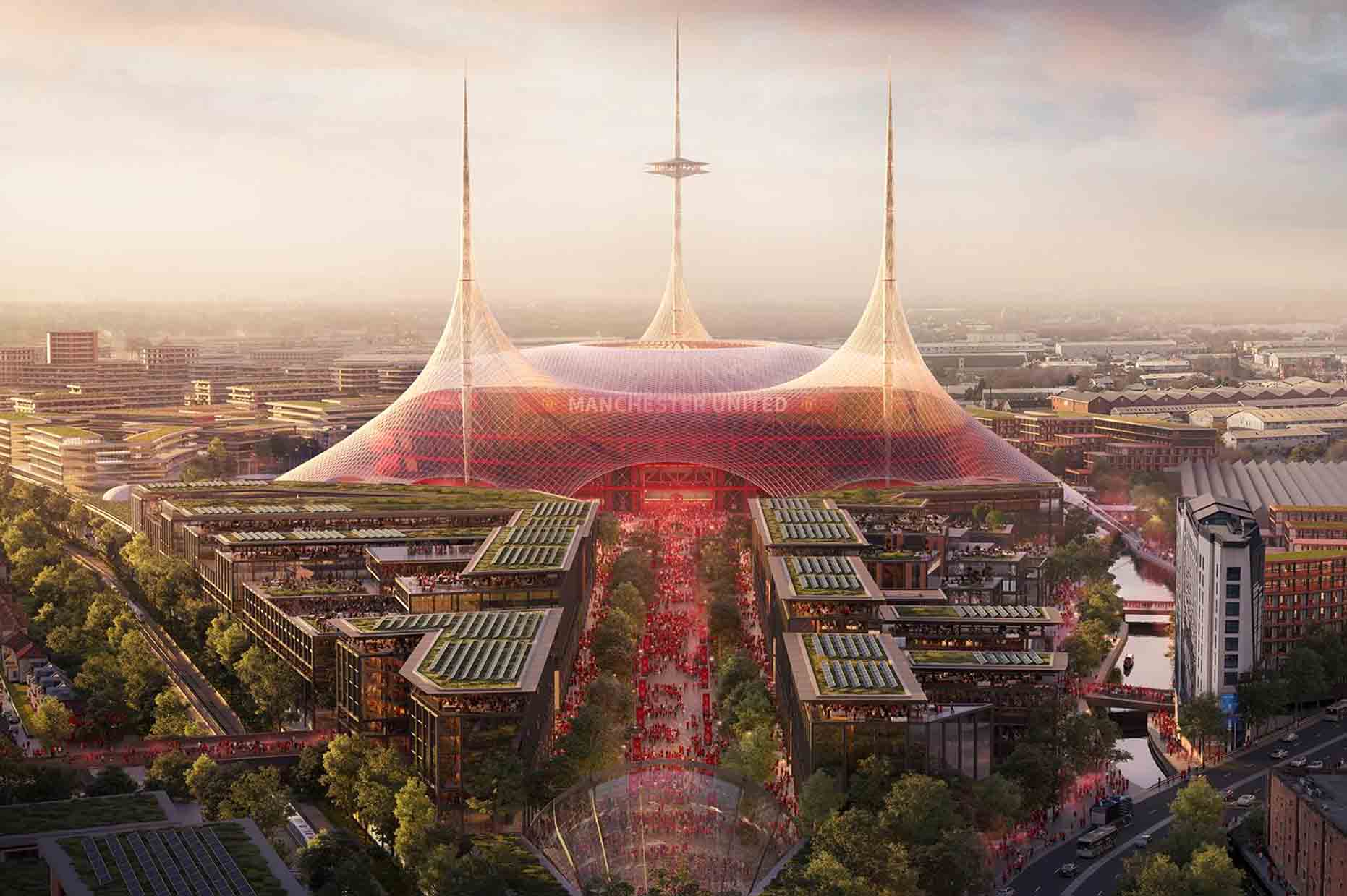
Although INEOS is handling debts skillfully, it cannot deny that they still face many difficulties when promoting the project to build a new Old Trafford stadium, with a total estimated value of 2.67 billion USD. If not calculated in detail, this large project may be delayed even longer, and cannot be completed by 2031.
Returning to the long-term debt of 125 million USD, although part of this will have to be paid unpaid interest on a total debt of 425 million USD and early repayment penalties, the dossier submitted to the SEC also stated that this amount will be used for "common business purposes".
In a recent interview on the club's Inside Carrington Podcast, CEO Omar Berrada affirmed that they can be both ambitious and successful, despite this long-standing debt burden.
The club has proven that it can not only be profitable. More importantly, the team can also win titles with its current structure.
I think the management board must operate with a sustainable financial structure. We want to move towards building a new stadium but must do it in a way that allows Man United to continue to maintain their competitiveness in terms of achievements.


