
Manchester United is entering a new phase of turmoil after the decision to sack head coach Ruben Amorim.
Whether this is a shock or an inevitable step, Man United at this time has almost no time to debate, because the Premier League campaign is still in a key stage.
Former Man United midfielder - currently leading the U18 team - Darren Fletcher will temporarily be in charge of the match against Burnley, likely to also officiate the match against Brighton in the 3rd round of the FA Cup. After that, the club is expected to appoint another interim coach to lead the team until the end of the season, with Ole Gunnar Solskjaer being the top priority.
Advantages
If Fletcher is considered too inexperienced and too risky to hand over the hot seat before the season ends, but Man United's leadership still prioritizes a face who "understands the club", then Solskjaer is an almost obvious choice.
According to British media, the Norwegian legend has informed Man United that he is ready to return. Compared to Fletcher, Solskjaer possesses a more significant coaching background, and most importantly, he has experienced this scenario correctly.
Appointed as interim coach in December 2018 after Jose Mourinho was sacked, Solskjaer was allowed by Molde to lead Man United until the end of the 2018-2019 season.
The effect created was immediate when he won all 8 of the first matches, setting a new club record for the number of consecutive wins in all competitions, and then quickly signed an official contract after winning 14 of the first 19 matches.
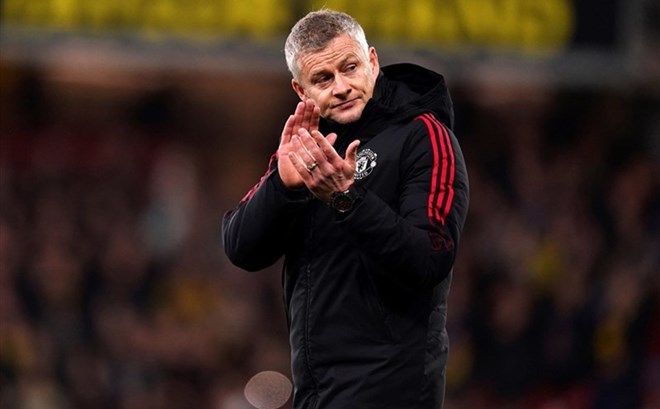
In the next stage, Solskjaer brought Man United to finish third in the 2019-2020 season and second in the 2020-2021 season. He is also recognized for trusting young players and human management ability - a factor that is often decisive in stabilizing the dressing room.
Of course, Solskjaer's first term did not end completely. However, if the "Red Devils" need a therapeutic decision in the short term, both helping the team revive the atmosphere and bringing them back to more familiar principles in the eyes of fans compared to the Amorim period, Solskjaer is still a name that can create a positive feeling immediately.
Defects
Looking back, the last months of the Solskjaer era were clearly not easy. The 5-defeat streak in 7 Premier League matches was already bad enough, but what made the alarm ring even more fiercely was the way Man United lost the match. They suffered a 0-5 defeat right at Old Trafford against Liverpool, and then continued to be crushed 1-4 by Watford in a near-powerless scenario.
However, in comparison with what fans have witnessed under Amorim, such a period of decline may no longer be seen as the end of the crisis. Instead, it is like an understandable decline in form in the life cycle of a big club.
However, the concerns surrounding Solskjaer are not only about the results. Some opinions say that he is "a card" - strong in counter-attack, but lacks a backup plan when the opponent converges, making Man United easily fall into a deadlock. From there, criticisms of tactical sensitivity often appear, especially in matches that the team needs to proactively impose.
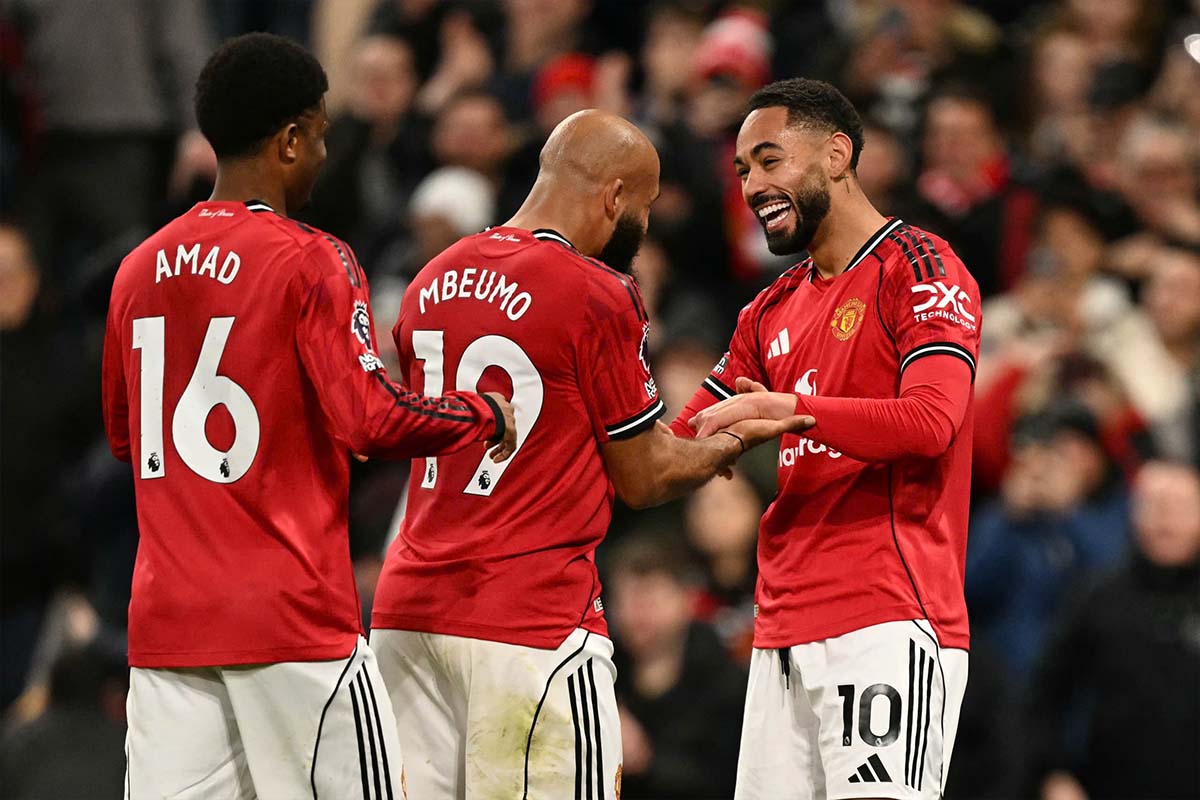
It is also impossible to ignore shaping defeats. In addition to the 0-5 defeat to Liverpool, there was also a 1-6 defeat to Tottenham at home, or a 0-4 defeat to Everton. Skeptics can also cite the specific context of the COVID-19 pandemic, when most of the 2020-2021 season - Man United's second-placed season - took place in absence of spectators, a factor that could affect competitive pressure.
However, from a purely statistical perspective, Solskjaer still possesses a foundation of achievements that cannot be underestimated when winning 51.4% of Premier League matches leading Man United. In the club's coaching staff, this rate is only behind Sir Alex Ferguson (65.2%), Jose Mourinho (53.8%) and Erik ten Hag (51.8%), while Amorim's figure is only 31.9%.


