
Rumors that Arsenal is pursuing Vinicius Junior are attracting the attention of European football. If the deal becomes a reality, this will be one of the most sensational contracts in the history of the Emirates Stadium team. However, besides the professional attraction, this deal also contains many risks for the system that Mikel Arteta has painstakingly built.
Vinicius only has one year left on his contract with Real Madrid. In the context that the Royal Spanish team is rebuilding its force, selling the Brazilian star will help them significantly reduce their salary fund and collect a large transfer fee. After recruiting a series of new players, Real Madrid also needs to balance its finances to continue the plan to upgrade the squad.
The appearance of Kylian Mbappe before made Vinicius's role at the Bernabeu no longer as prominent as before. Both like to operate on the left wing and be effective when freely tied to the center. This makes the Los Blancos' attack unbalanced, especially when Rodrygo and many other attacking players also tend to play in the same area.
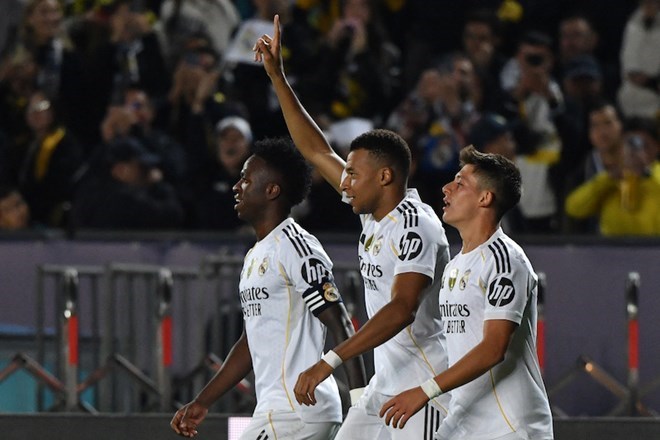
That is why Arsenal has emerged as a potential destination. Arteta's team has long wanted to strengthen the left flank. Leandro Trossard has left, Gabriel Martinelli has not yet maintained stability, and Eberechi Eze often performs better when playing in the center instead of sticking to the flanks.
In terms of expertise, Vinicius can bring what the "Gunners" lack. The speed, dribbling ability and breakthrough ability of the Brazilian international are enough to change the course of the match in just a few touches. He is a player who can make a difference even when the team is deadlocked, something Arsenal often lacks in big matches.
If he arrives at Emirates, Vinicius will almost certainly become the number one attacking star of the team. He can help The Gunners diversify their approach to the goal, reduce dependence on set pieces and create more space for Bukayo Saka as well as the midfielders behind.
However, that difference itself is also a problem.
Arteta built Arsenal based on tactical discipline, synchronous pressing ability and almost absolute positional compliance. Meanwhile, Vinicius is an instinctive player, often given freedom to maximize his dribbling and creativity. His defensive support ability has never been highly appreciated, which can cause Arsenal's tactical structure to be unbalanced.
This is the problem Real Madrid once faced when using Vinicius and Mbappe at the same time. An excellent star may not be suitable for the team if they do not accept changing their playing style.
However, history also shows that sometimes a player "not like the rest" can create a turning point. Manchester City once raised their strength when recruiting Erling Haaland, although the Norwegian striker is not completely suitable for Pep Guardiola's inherent ball control philosophy. That difference has made Man City more unpredictable.

Arsenal can hope Vinicius will bring a similar effect. But unlike Haaland, the Brazilian player operates on the wing and participates more in the defense system. That means the level of risk is also much greater.
In addition to professional issues, Arsenal also has to consider financial factors. Vinicius will demand a huge transfer fee and a salary that is among the highest in the team. This could put pressure on the salary fund as well as affect the financial structure that Arsenal has maintained for many years.
Therefore, Vinicius may be a contract that helps Arsenal break through in the title race, but there is also a risk of breaking the balance that Arteta has spent many seasons building. If the deal is made, success will depend not only on the talent of the Brazilian star but also on the ability to harmonize personal freedom and discipline in Arsenal's tactical system.


