
According to dermatologist Stephanie S. Gardner (USA), your skin needs a suitable balance of nutrients to perform its main function - creating a protective film for the body from external agents.
To maintain freshness, health and effective activity, nourishing the skin from the inside through nutrition in reasonable meals is a key factor.
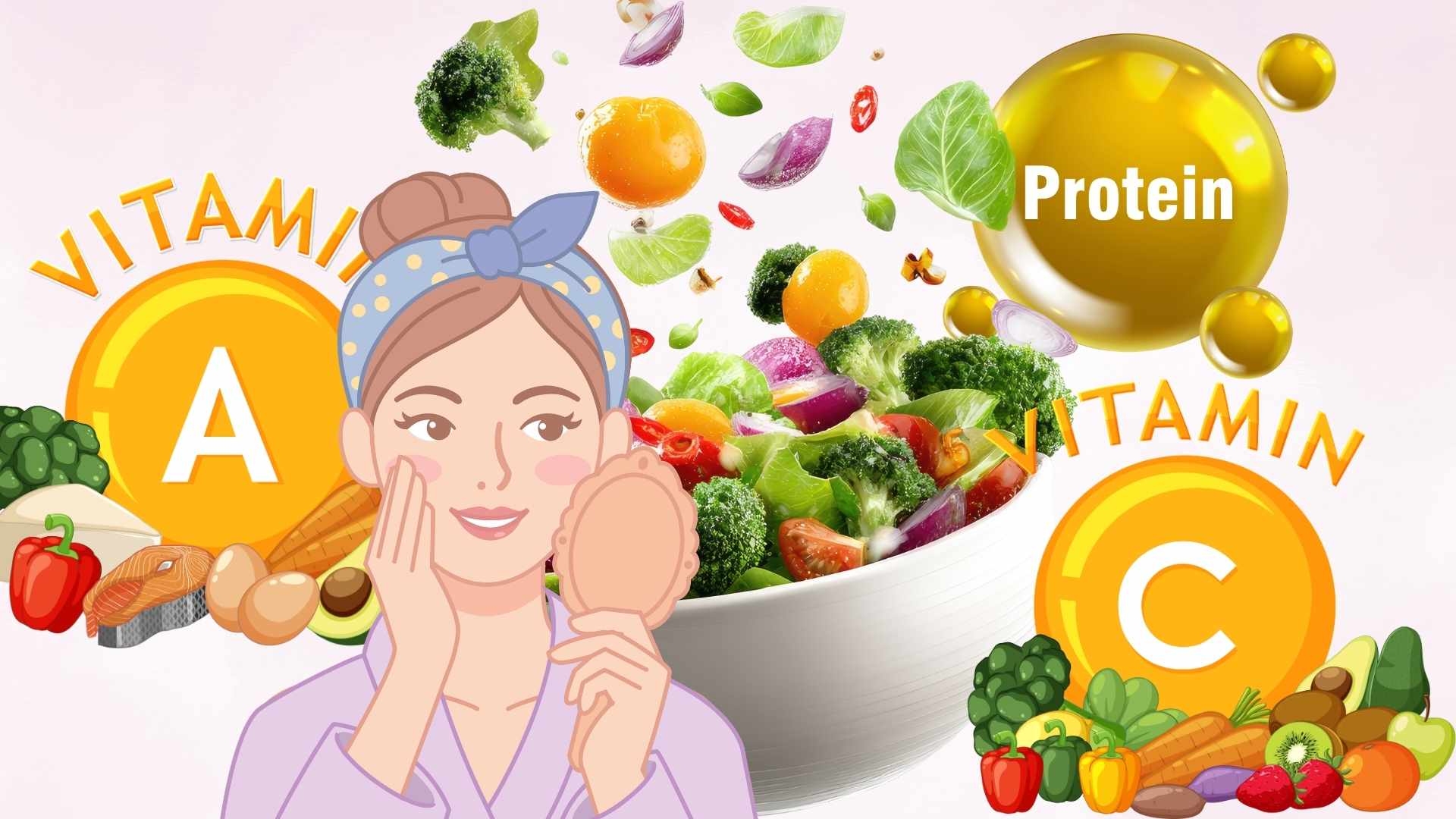
Good fats nourish moisture and elasticity
Unsaturated fats, especially omega-3, help maintain the natural lipid membrane of the skin.Thanks to this, the skin retains moisture, limiting dryness and wrinkles.
Food sources to supplement: salmon, tuna, sardines, avocados, nuts and olive oil.
Foundation protein of skin structure
Protein is converted into amino acids - components that make up collagen and keratin.These are two factors that determine skin firmness and elasticity.
In addition, some amino acids also have antioxidant properties, protecting skin from UV rays and free radicals.
Food sources: meat, fish, eggs, milk, beans.
Vitamin A regenerates and protects skin
Vitamin A supports the cell regeneration process, reducing the impact of sunlight by limiting collagen breakdown.At the same time, it helps oil glands function stably and promotes wound healing.
Vitamin A deficiency makes skin prone to dryness, peeling, and acne.
Food sources: dark green vegetables (ripe kale, spinach), mangoes, guava, animal liver, eggs, milk.
Vitamin C increases collagen production, brightens skin
Vitamin C is an important factor in the collagen formation process, helping to firm the skin and reduce wrinkles.At the same time, it is a powerful antioxidant, helping to protect the skin from environmental damage.
Vitamin C deficiency can make the skin prone to bruises and slow wound healing.
Food sources: oranges, tangerines, kiwis, strawberries, bell peppers, broccoli.
Vitamin E anti-aging, enhances protection
Vitamin E helps neutralize the harmful effects of ultraviolet rays, reducing the risk of premature aging such as wrinkles and sagging.When combined with vitamin C, the skin protection effect is further enhanced.
Food sources: nuts, vegetable oils, avocados.
Zinc supports recovery and anti-inflammatory
Zinc plays an important role in cell regeneration, helping skin heal wounds quickly and stabilizing skin structure.It also has antioxidant and anti-inflammatory effects.
Zinc deficiency can cause dry skin, rash, and symptoms similar to eczema.
Food sources: oysters, red meat, poultry, seafood, whole grains, milk.
Selenium increases natural sun protection
Selenium is an essential trace mineral that the human body cannot synthesize itself, playing an important role in antioxidation, helping to protect the skin from UV rays and reduce the risk of skin damage.
Food sources: Brazilian cashews, tuna, eggs, whole grains, bananas.
Combine food to optimize efficiency in family meals
Many foods simultaneously contain many nutrients that are beneficial for the skin:
Fatty fish: rich in protein, omega-3, selenium
Dark green leafy vegetables: provide vitamins A, C, E and antioxidants
Eggs: supplement protein, vitamins A, E, zinc and selenium
Flax seeds: rich in omega-3
Beans: provide protein and zinc
Avocado, olive oil: rich in good fats and vitamin E
Prioritize natural nutrition
Experts recommend supplementing nutrients through natural foods instead of relying on functional foods. A diverse and balanced diet will help the skin stay healthy from the root, while supporting overall health.


