
In the context of increasing heat and increasingly harsh UV rays, sunscreen is not only a fashion item but also an important solution to protect the skin. However, not everyone knows how to choose standard sunscreen to maximize effectiveness.
When the temperature in many areas regularly exceeds 35 degrees Celsius, sunscreen becomes an "inseparable" item for people. Not only outdoor workers, office workers or students are also increasingly interested in protecting their skin from the harmful effects of sunlight.
In sunlight, there are two main types of rays: UVA and UVB. In particular, UVA rays have the ability to penetrate deep into the skin, creating free radicals, causing aging, dark spots and increasing the risk of skin cancer.
Therefore, choosing sunscreen should not be perfunctory, but should be based on specific criteria to ensure protective effectiveness.
A common mistake is choosing sunscreen that is too thin. In fact, thin, thin-woven fabrics can make UV rays easily penetrate, even making the skin more sun-sensitive.
A simple way to check is to look at the fabric under sunlight: if light penetrates easily, the UV resistance of the shirt is very poor.
Pay attention to fabric material
Material is the decisive factor in sun protection effectiveness:
- Cotton or jeans fabric: absorbs sweat well, has relative sun protection.
can cause stuffiness if not high-tech.
- Technology fabrics (ceramic, microfiber, nano coating): help increase UV resistance and create a comfortable feeling.
Consumers should prioritize products with UPF indices from 30-50+ to ensure skin protection.
Many people think that dark-colored shirts are better for sun protection, but in fact: Light colors help reflect heat well, creating a cooler feeling, while dark colors absorb heat and easily cause heat.
Besides the material, sun protection coats need to have a good coverage design to promote the effect of protecting the skin, such as a hat covering the forehead, long sleeves covering the back of the hand and a well-fitting shape, not too tight and not too wide to create comfort when exercising.
However, it must be noted that sunscreen cannot completely replace sunscreen, because they only help reduce the amount of direct UV rays but do not provide absolute protection.
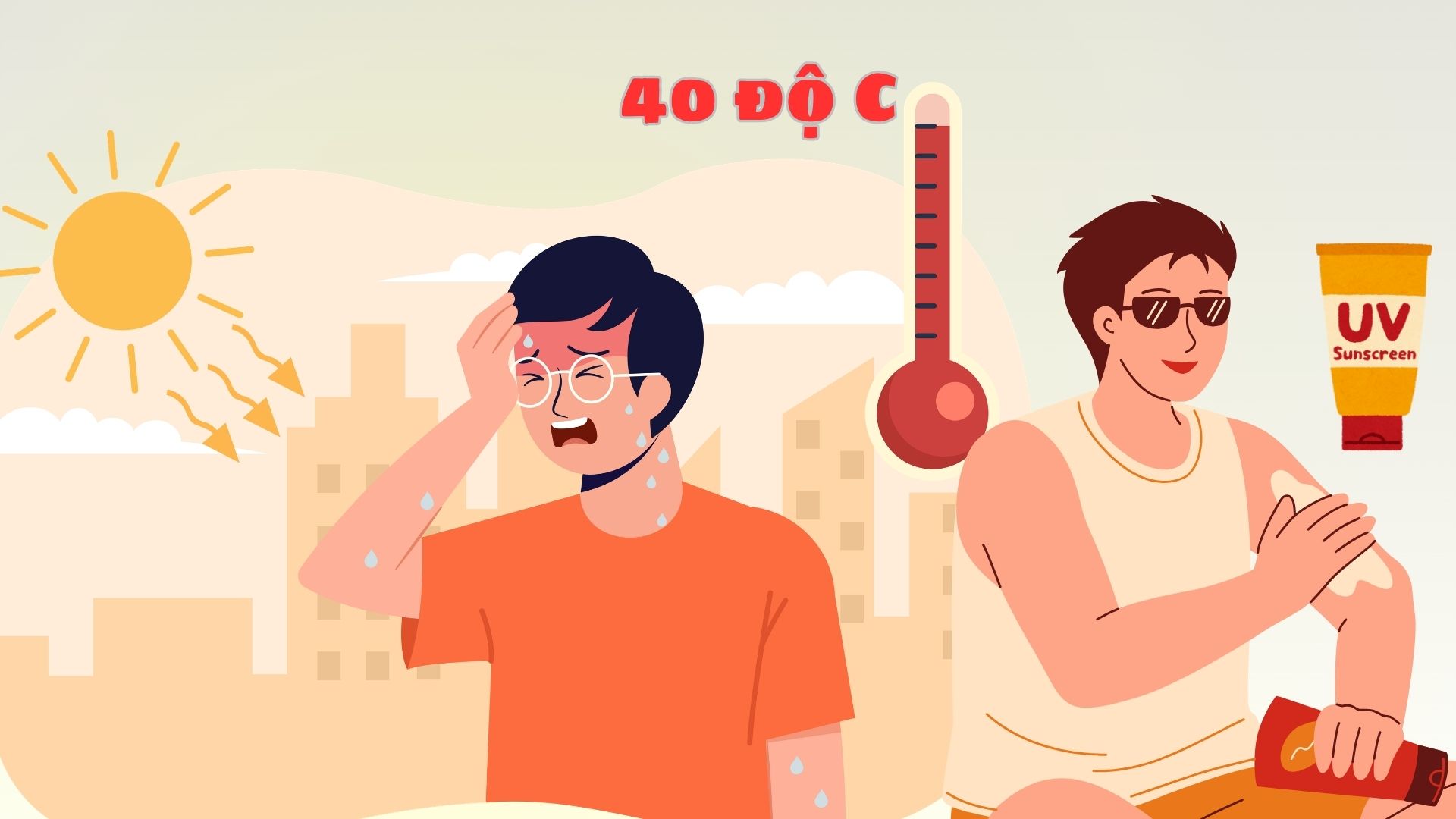
Therefore, to comprehensively protect the skin, users should still apply sunscreen before going out, and combine using sunglasses, masks, gloves and limit sun exposure during peak hours from 10am to 4pm.
Keeping clothes clean also contributes to improving the effectiveness of skin protection. A factor often overlooked is cleaning sunscreen clothes. Frequent washing helps remove dirt and bacteria, avoiding irritation or adverse effects on the skin.
Currently, sun protection coats are not only limited to function but are also designed diversely, integrating many features such as cooling, antibacterial, light water resistance... helping users both protect their health and ensure aesthetics.


