
These days, in boarding houses located near Phuc Son Industrial Park, Khanh Phu Industrial Park (Dong Hoa Lu ward, Ninh Binh province) or Tam Diep Industrial Park (Tam Diep ward, Ninh Binh province), rows of level four rooms with corrugated iron roofs are always in a stuffy hot condition.
Inside each room, furniture is placed close to the wall to leave a small living space for 2 to 4 people.
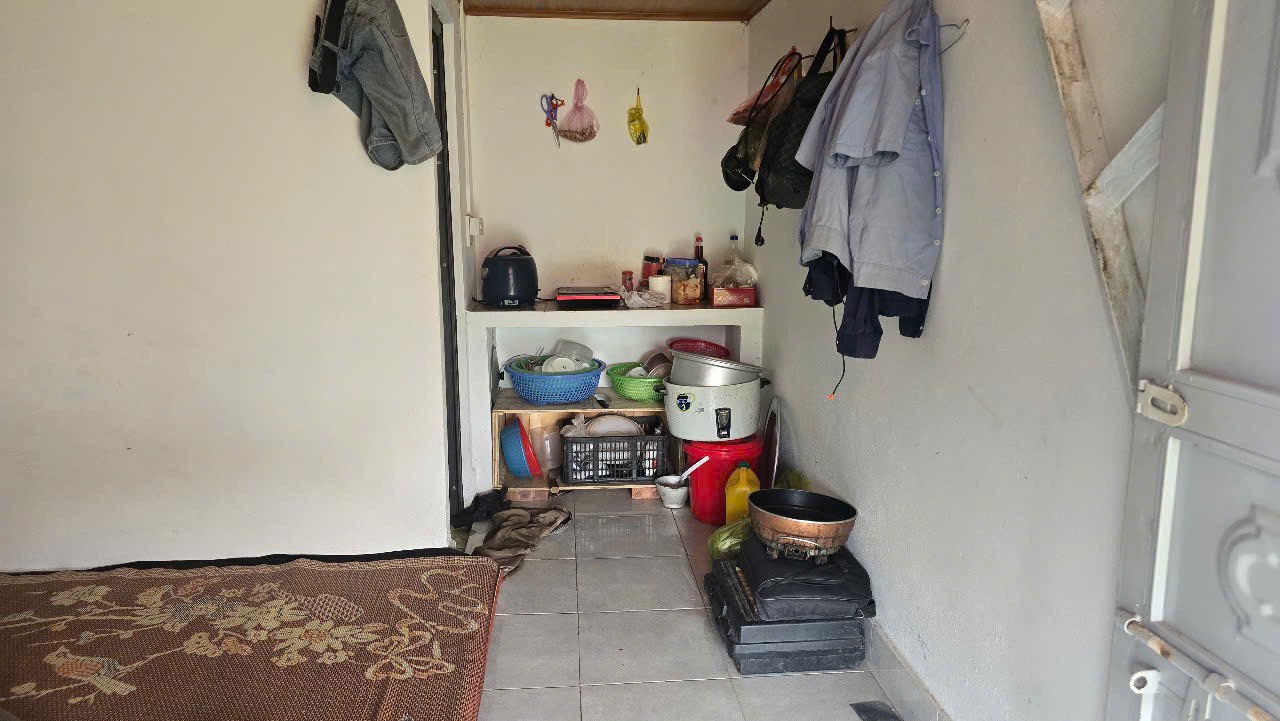
At a boarding house on Pham Than Duat street (Dong Hoa Lu ward), Mr. Tran Van Nghi - a worker at Vienergy Ninh Binh Co., Ltd. (belonging to Phuc Son Industrial Park) - said that on hot sunny days, the boarding room is hot from noon until night. The electric fan runs at full capacity but only blows out heat. One day, the young child cried because of the heat, the whole family had to open the door and sit in the hallway until late at night before daring to go to the bedroom.
Going to work all day is already tiring, coming back to the room I can't rest. The roof is heat-absorbed, the walls are hot, it's hard to sleep at night. But workers' income is only enough to cover living expenses, I don't dare to rent a better room because the price is high" - Mr. Nghi shared.
Many other workers renting rooms around Phuc Son Industrial Park are also in a similar situation. Small rented rooms, low corrugated iron roofs, few ventilation doors, while most workers renting rooms cook in the rooms, making the room even hotter.
Ms. Dinh Thi Thuy Dung - a worker renting a room at a boarding house near Tam Diep Industrial Park - shared that the room rate here ranges from 1 million to 2.5 million VND/room. Electricity and water bills are calculated separately.
Here, the landlord also installs air conditioners for each room, but the electricity price is high, so we don't dare to use them" - Ms. Dung said.
According to records, many worker boarding houses have been built for a long time, mainly to meet the demand for cheap boarding houses for workers. Due to lack of repair investment, many rows of boarding houses are degraded, corrugated iron roofs are leaking, walls are peeling, the foundation is damp, and the electrical system poses potential safety risks. Meanwhile, the large number of workers in need of renting rooms makes many people forced to accept poor living conditions.
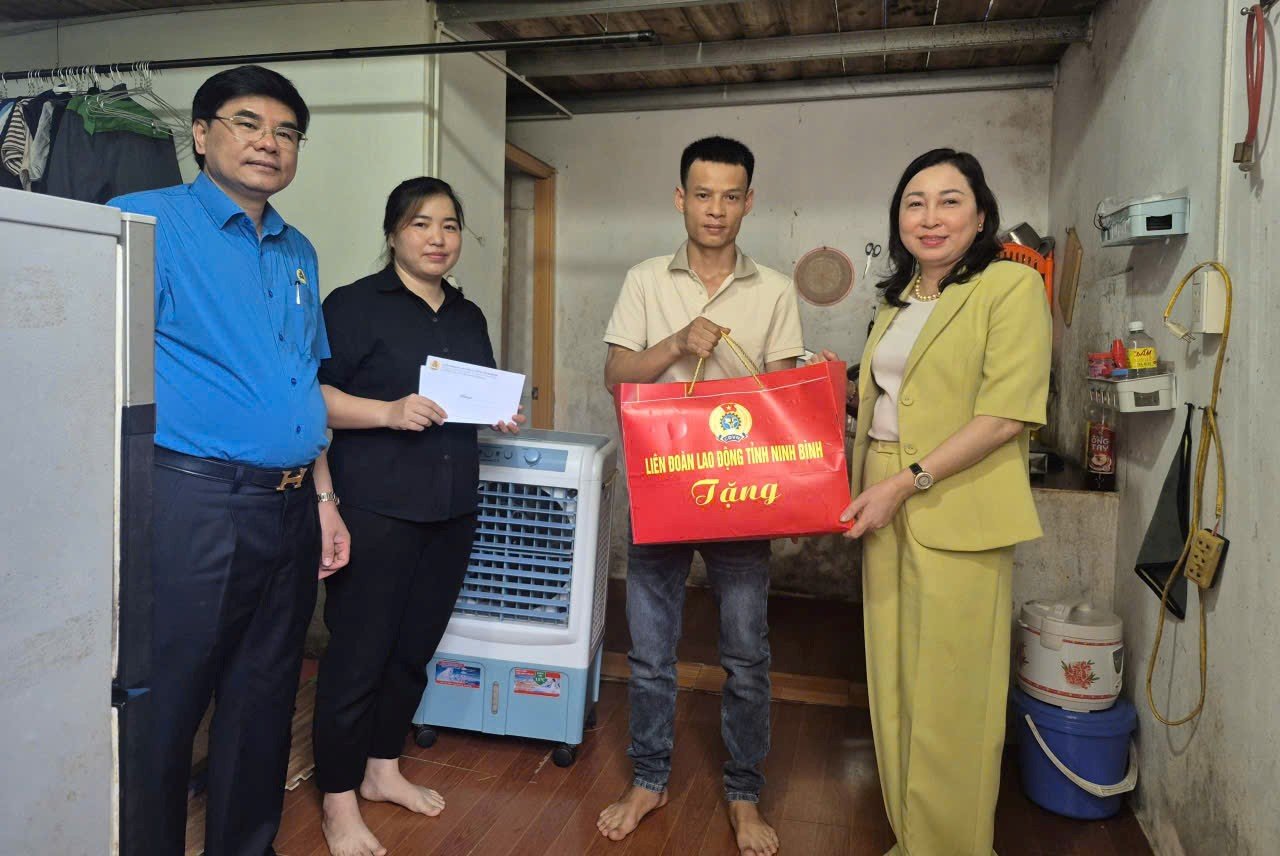
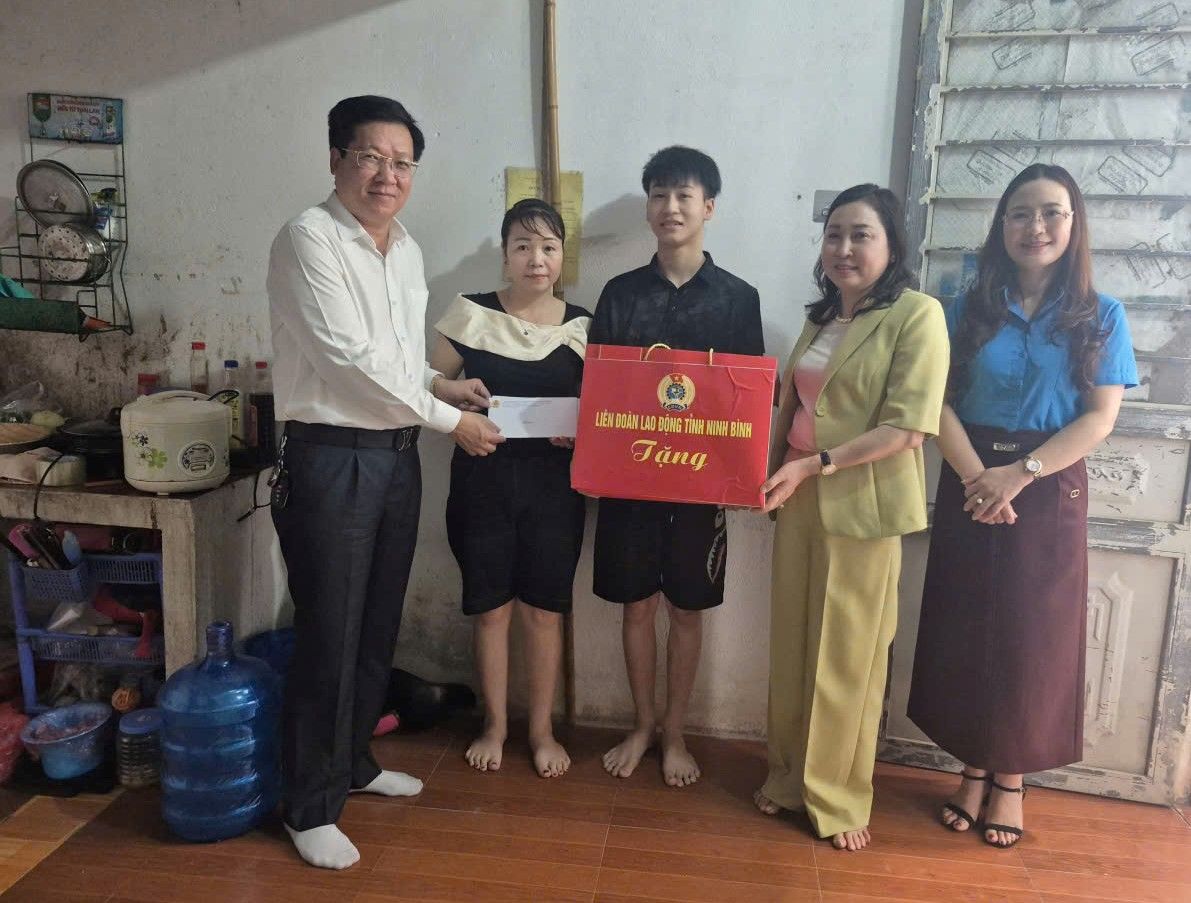
The cramped living space and prolonged hot weather have directly affected the health of workers. Many workers said that because the rented room is too hot, sleep is interrupted, and the body is tired and sluggish when entering the next shift.
Some workers have to find temporary heat protection methods such as covering tarpaulins, watering corrugated iron roofs, using additional water fans, and opening doors all day for ventilation. However, these solutions only reduce heat somewhat, while electricity costs increase sharply.
The above reality shows that the issue of housing for workers does not only stop at having housing, but needs to aim for safety, civilization, and suitability for the income and long-term living conditions of workers.
Many workers want local authorities, trade unions, businesses and landlords to pay more attention to improving housing conditions, especially in labor-intensive areas.
In addition, the development of social housing areas and rental housing with reasonable prices is considered a fundamental solution. When there is a stable and safe place to live, workers can feel secure in sticking with businesses, improving productivity and work quality.


