On January 17, the People's Committee of Quang Truc commune (Lam Dong province) said that it had just organized a skills update session to apply artificial intelligence AI tools to work for about 200 officials and employees of the commune.
Participating are also armed forces and businesses operating in the area. This is considered a practical activity, bringing AI to border communes.
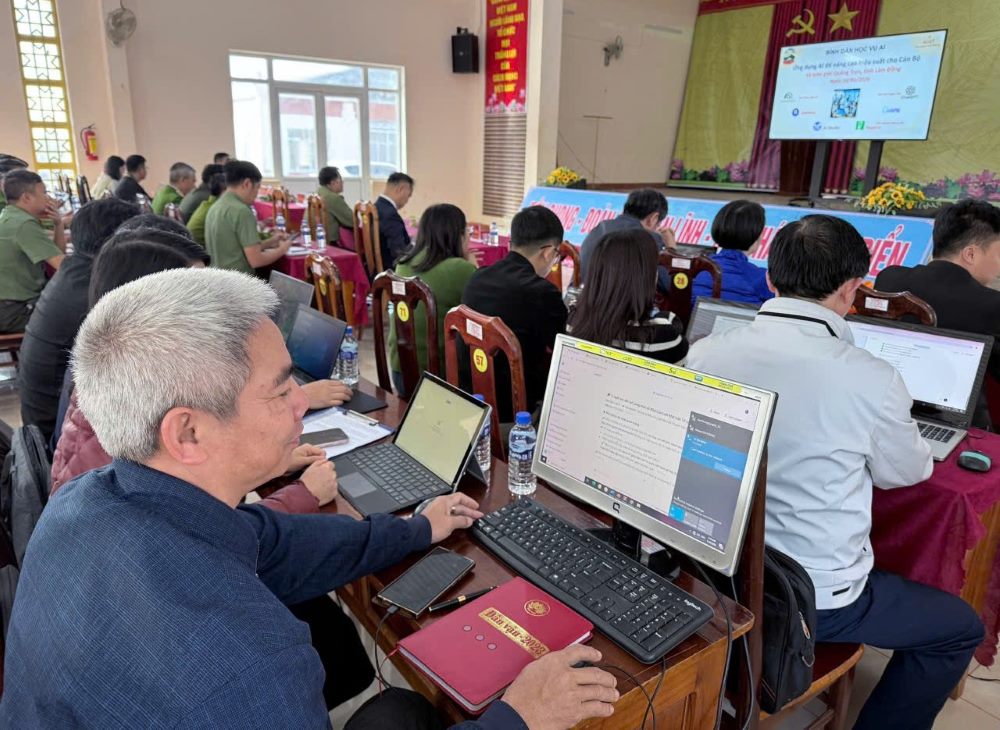
The training session was attended by Colonel, Dr. Huynh Ngoc Liem - Deputy Director of Lam Dong Provincial Police, editor-in-chief of the People's Education Program on AI.
Directly guiding at the training session, Master Vo Duc Truong - AI expert and colleagues focused on how to "hold hands and guide" grassroots officials.
The content does not stop at theory, but goes straight to specific applications such as building virtual assistants to serve work, creating electronic legal handbooks, using AI to support document drafting, looking up legal regulations and especially deploying the paperless office model.
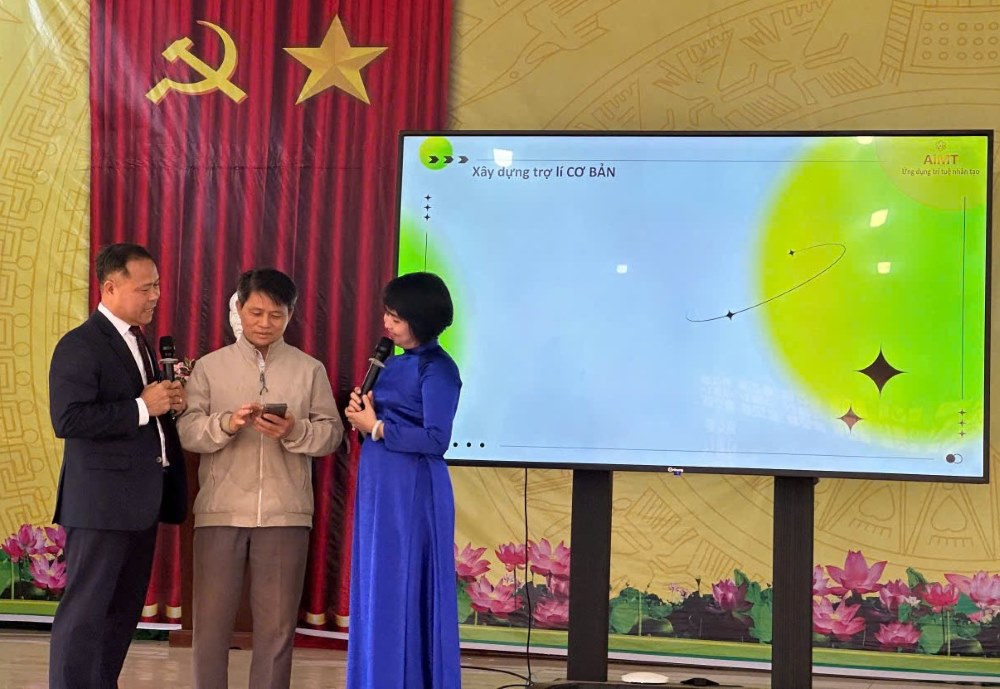
In a short time, many officials directly handling administrative procedures for people have grasped the basic operations, which can be applied immediately in practice. Questions in the process of using AI tools are also guided by the reporters.
Reducing paperwork, shortening dossier processing time, and limiting errors are expected to contribute to improving the quality of service for people and businesses in the commune.
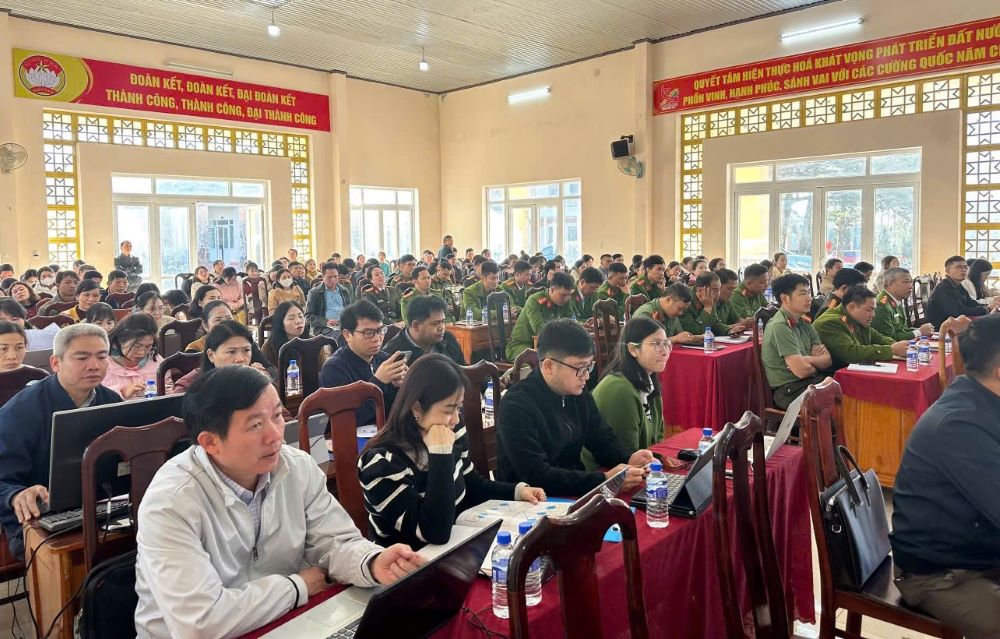
Over the past time, the "Digital Literacy AI" movement has been widely implemented in Lam Dong, from provincial to grassroots levels.
At the conference summarizing the Science and Technology sector in 2025 and deploying tasks for 2026 just held on January 16, the Department of Science and Technology said that digital skills and AI training classes have attracted tens of thousands of officials and people to participate. Thereby, creating an important foundation for building digital government, digital economy and digital society.
Emphasizing the key role of AI in State management, Vice Chairman of Lam Dong Provincial People's Committee Nguyen Ngoc Phuc requested the Department of Science and Technology to proactively advise on AI training and fostering programs for businesses and commune and ward-level officials. At the same time, promote the introduction of AI into management practice, especially in difficult areas, remote areas, and border areas.
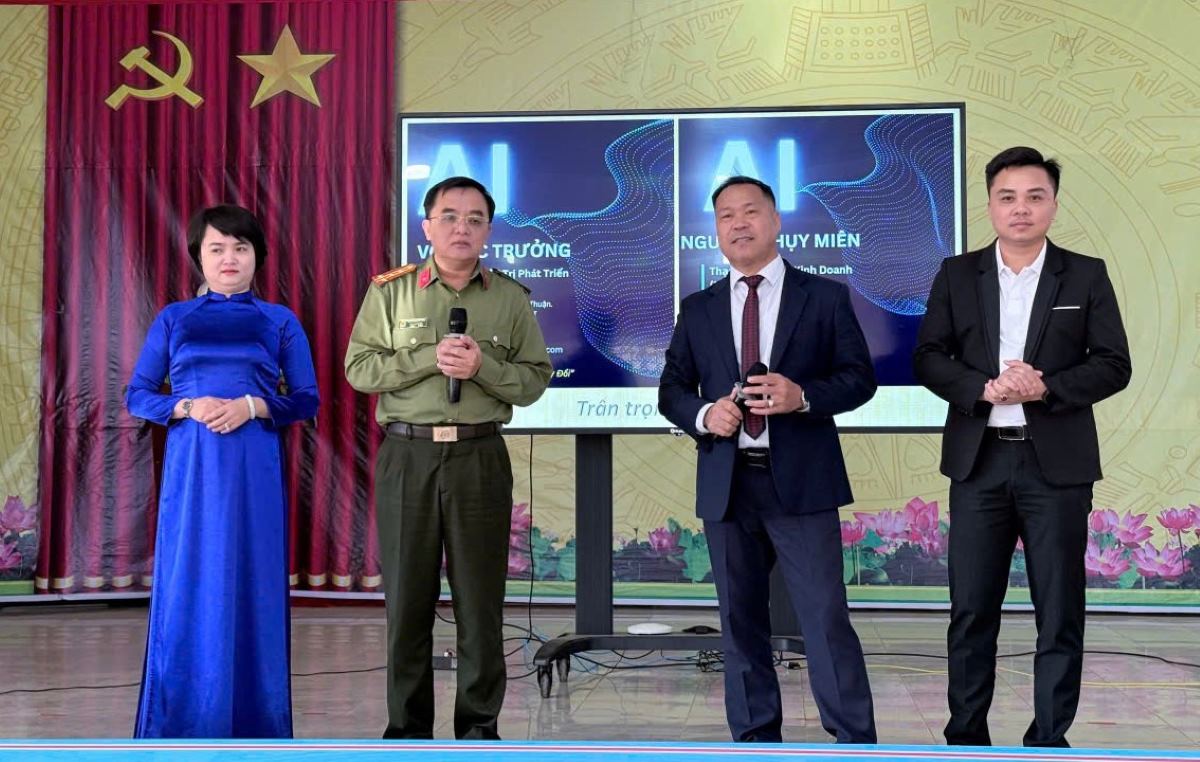
The dissemination of AI to border communes or islands not only helps officials and employees change their working methods but also contributes to bringing digital transformation to substance and efficiency.
When AI becomes a familiar tool at the grassroots level, people will be able to solve procedures quickly and with fewer papers. This is also an important step to narrow the digital gap, creating a foundation for sustainable socio-economic development in areas that are still facing many difficulties.