Căn cứ tiền phương cho các phi hành gia
Mặc dù không có kế hoạch làm nơi sinh sống lâu dài, Gateway sẽ đóng vai trò như căn cứ tiền phương cho các phi hành gia trong các sứ mệnh lên Mặt trăng của Artemis từ những năm 2030 trở đi.
Nhiều người cho rằng Gateway là dự án chủ yếu của NASA, nhưng thực tế đây là một nỗ lực quốc tế. Các quốc gia như châu Âu, Nhật Bản, Canada và Các Tiểu vương quốc Ả Rập Thống nhất đều đóng góp vào dự án này.
NASA đã công bố bản kết xuất 3D của Gateway, cho thấy trạm sẽ trông như thế nào khi hoàn thành. Trung tâm của nhà ga là mô-đun Tiền đồn Cư trú và Hậu cần (HALO), một khu vực hình trụ sẽ đóng vai trò là một nửa khu vực phi hành đoàn chính của Gateway.
Gateway sẽ không phải là tiền đồn cố định trong không gian mà sẽ giống một căn cứ tiền phương hơn. Các phi hành gia sẽ sử dụng Gateway làm trung tâm điều hành, sống và làm việc trên đó khi không ở bề mặt Mặt trăng.
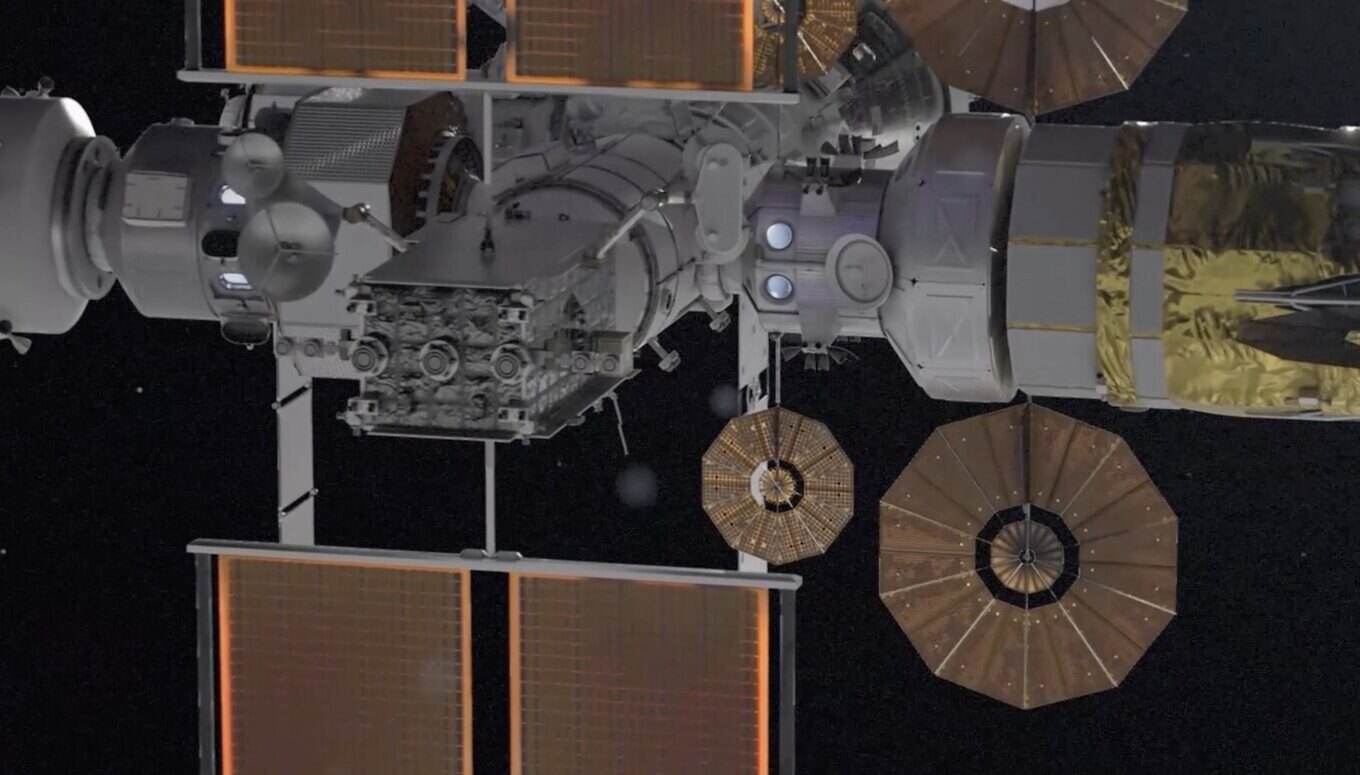
HALO sẽ là mô-đun chỉ huy và truyền thông của Gateway. Trong những thời điểm Gateway không có người ở, mô-đun này sẽ chứa phần mềm cho phép trạm tự vận hành phần lớn. HALO cũng sẽ chứa một số dự án khoa học của Gateway, như các thiết bị đo mức bức xạ bên trong mô-đun.
Một đầu của HALO là Bộ phận Sức mạnh và Lực đẩy (PPE) của Gateway, nguồn năng lượng chính của trạm. PPE sẽ sử dụng một cặp pin mặt trời để tạo ra 60 kilowatt điện, cung cấp năng lượng cho hệ thống đẩy điện của trạm, giúp giữ Gateway ở trong một quỹ đạo lệch tâm cao.
HALO và PPE sẽ tạo thành hạt giống ban đầu của Gateway, và nếu mọi việc diễn ra đúng kế hoạch, chúng sẽ đến Mặt trăng kịp thời cho sứ mệnh Artemis IV vào năm 2028. Ở đầu bên kia của HALO là mô-đun I-Hab Mặt Trăng, do Cơ quan Vũ trụ Châu Âu (ESA) và Cơ quan Thám hiểm Hàng không Vũ trụ Nhật Bản (JAXA) đồng xây dựng. I-Hab sẽ là nơi ở và ngủ nghỉ của phi hành đoàn, bao gồm một phòng ăn, giường tầng và khu vực tập thể dục.
Các bộ phận bên ngoài
Bên cạnh I-Hab, một hình trụ mạ vàng có tên Lunar View sẽ đóng vai trò là “gói mở rộng” cho Gateway. Lunar View sẽ chứa khối lượng hàng hóa bằng xe tải nhỏ và nhiên liệu bổ sung cho PPE. Mô-đun này cũng sẽ có sáu cửa sổ lớn nhất của Gateway, cho phép người ở trong chiêm ngưỡng cảnh quan Mặt trăng.
Ngoài ra, video của NASA còn cho thấy cái nhìn thoáng qua về hoạt động đầy đủ của Gateway với ba tàu vũ trụ gắn vào trạm. Tàu Orion sẽ là phương tiện để các phi hành gia đến và đi từ Trái đất, tàu vũ trụ chở hàng Deep Space Logistics (DLS) sẽ mang theo thiết bị và vật dụng, và Hệ thống Hạ cánh Con người (HLS) sẽ đưa các phi hành gia xuống bề mặt Mặt trăng.
Gateway cũng sẽ chứa một số trọng tải khoa học, như Mảng cảm biến bức xạ châu Âu (ERSA) đo bức xạ không gian và Bộ thí nghiệm đo bức xạ và môi trường vật lý mặt trời (HERMES) của NASA. Những thí nghiệm này sẽ cung cấp thông tin quan trọng để chuẩn bị cho các nhiệm vụ dài hơn và xa hơn trong tương lai, có thể là các chuyến đi của phi hành đoàn tới sao Hỏa.