
The "neighbor" pagoda of patriotic patriots
Amidst the increasingly dynamic pace of life in Cao Lanh, there is a space that seems to be separated from the city's noise. There, the sound of the pagoda bells resonates with the gentle incense smoke, evoking a rare feeling of tranquility. That is Hoa Long Pagoda - a pagoda that not only has architectural beauty but also preserves a special historical depth.
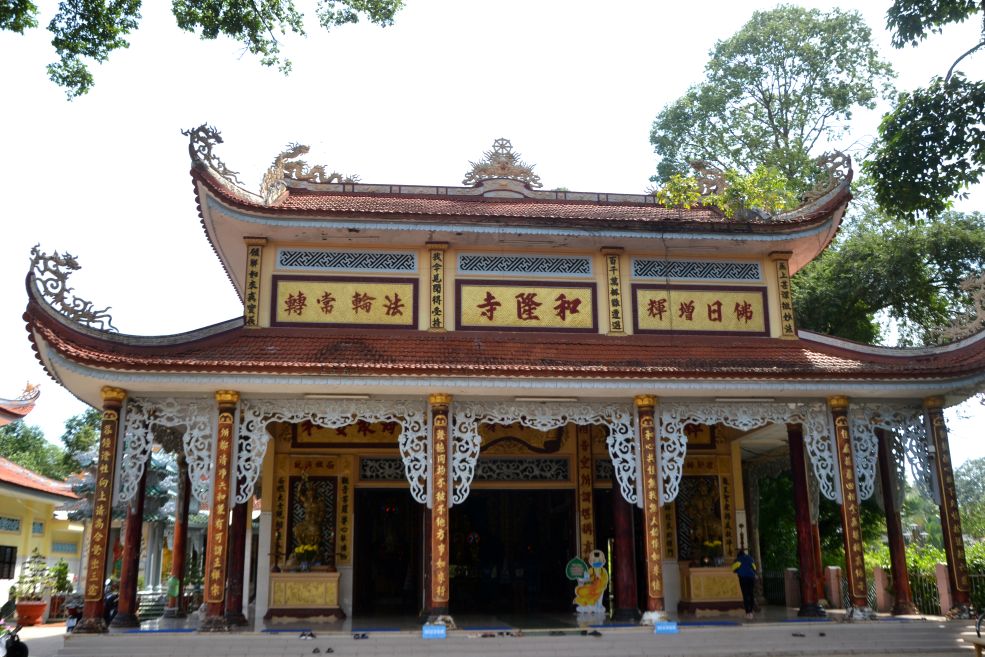
The pagoda is located in Cao Lanh ward, right next to the National Special Relic Area of Nguyen Sinh Sac's Tomb. Spatial proximity is not only a geographical factor, but also a profound historical link.
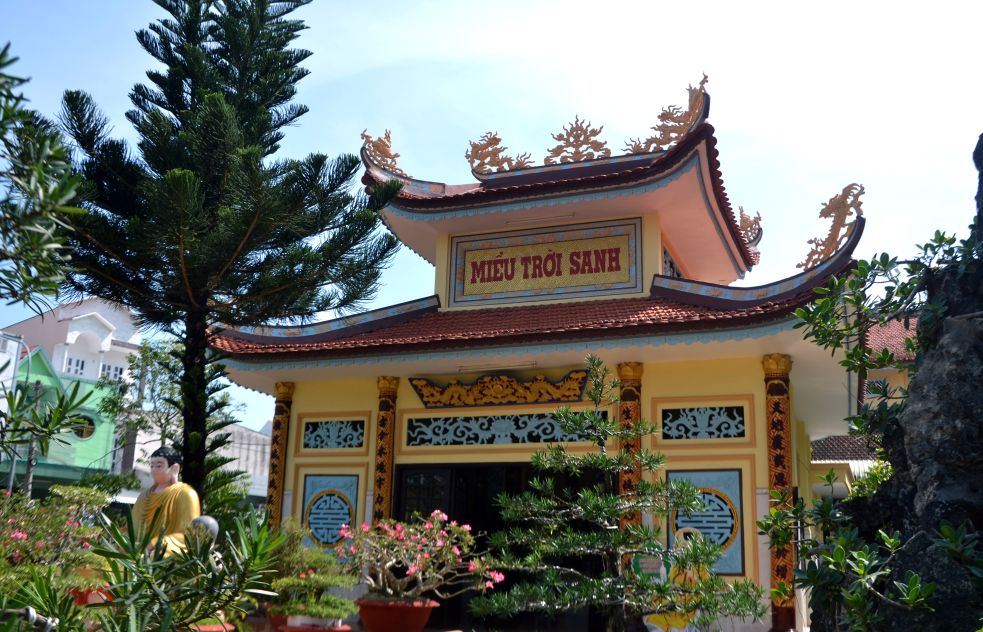
In his later years, Mr. Nguyen Sinh Sac chose Hoa An, Cao Lanh land as a stopover. In the role of a doctor and teacher, he went everywhere to treat diseases, teach, and at the same time spread the spirit of patriotism and love for the people. In 1929, when he passed away, local people buried him on land near Mieu Troi Sanh, now within the Hoa Long Pagoda campus.
From a simple earthen tomb, experiencing many historical upheavals, this place has become a gathering point for people's hearts. The people of Hoa An, Cao Lanh have silently cared for and protected his tomb throughout the war years, despite the enemy's prohibitions and sabotage.
Witness of historical days
Not only associated with the life of Mr. Pho Bang, Hoa Long Pagoda is also a witness to many important events. In particular, after the 1954 Geneva Accords, Cao Lanh became one of the three largest concentration areas of the South.
In those 100 historic days, tens of thousands of officers, soldiers and compatriots from all over flocked here. They not only said goodbye and reunited, but also visited the tomb of Mr. Pho Bang - a symbol of patriotism.
It was during this time that soldiers and people jointly restored his tomb with bricks and cement, and erected a solemn memorial stele.
The Hoa Long Pagoda area - the tomb of Mr. Pho Bang has become a place for many important political and social activities, from meetings of heroic people to memorial ceremonies before the gathering day to the North. After that, despite many sabotage plots, the people still resolutely preserved and protected the relic with all their feelings and responsibility.
Destination of gratitude and the journey "to the source
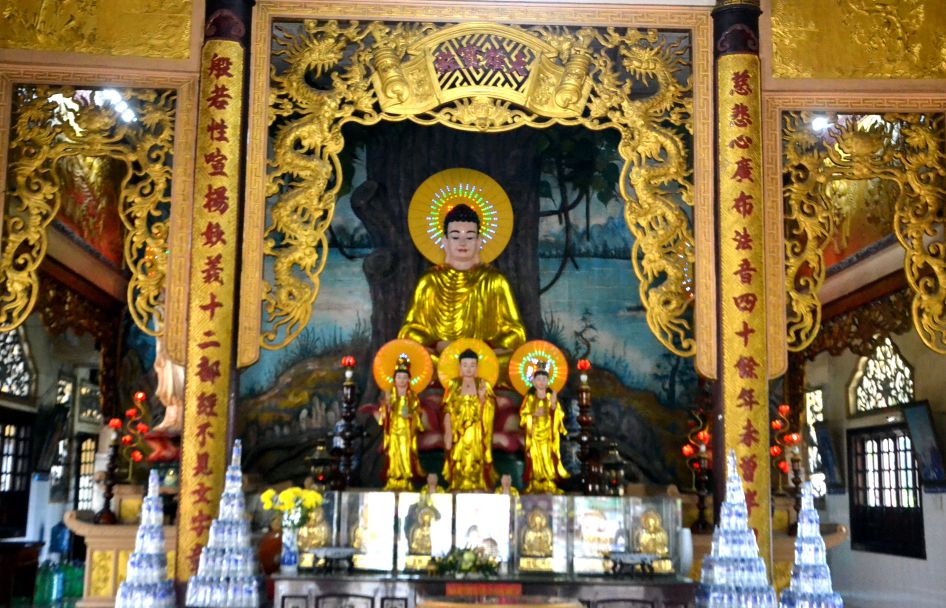
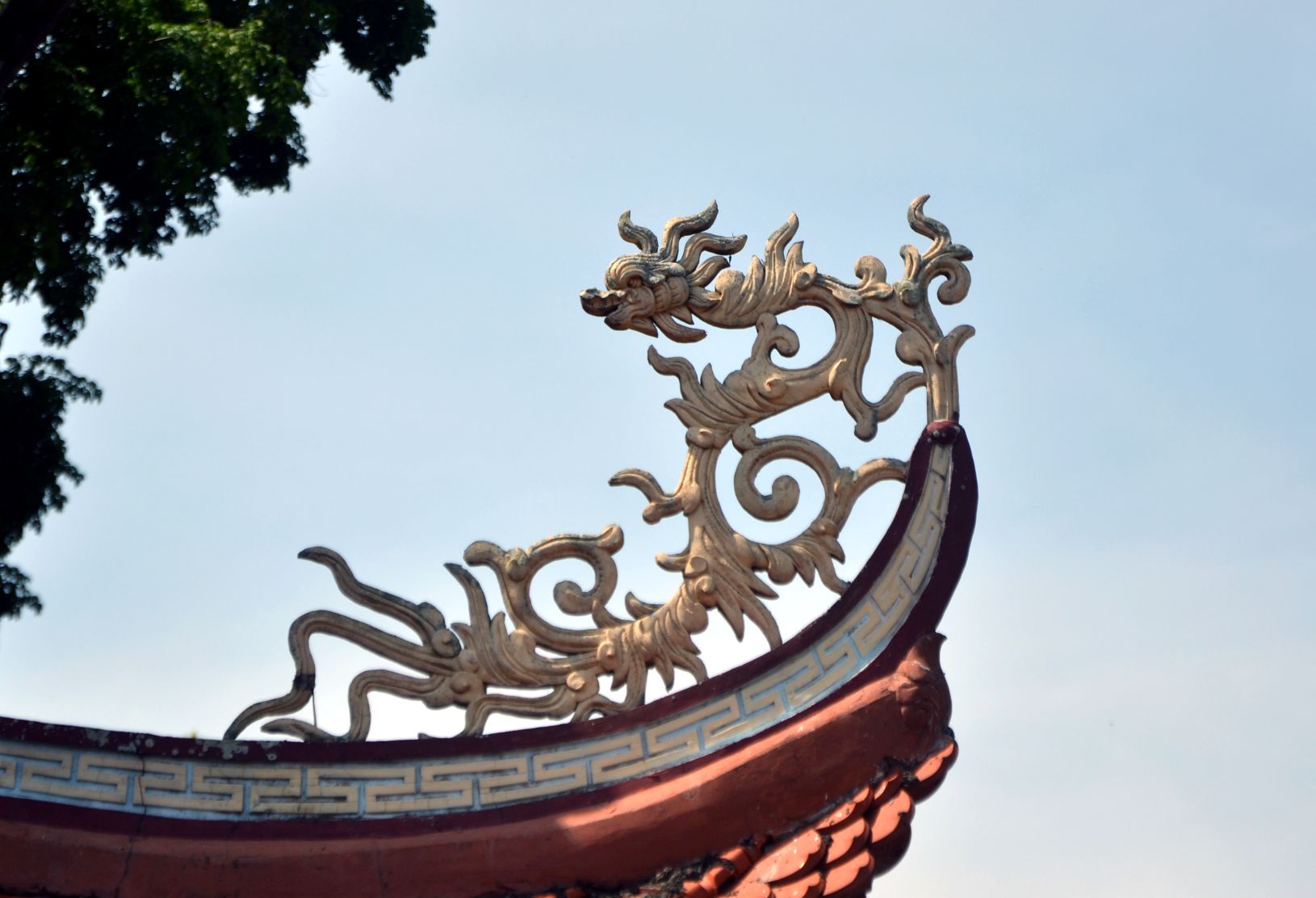
Today, Hoa Long Pagoda has been renovated and spacious, becoming one of the typical Buddhist centers of Dong Thap province. The pagoda space is spacious and airy, with majestic architecture with many sophisticated carved patterns, imbued with tradition. Although located right in the central area, the pagoda still retains the inherent tranquility of a Zen land.
Under the green canopies, amidst the gentle sound of bells, visitors can easily find peace for their souls. This is also the location of the Headquarters of the Vietnam Buddhist Sangha in Dong Thap province, further affirming the role and position of the pagoda.
Hoa Long Pagoda today is not only a place for religious activities, but also a meaningful stop in the journey to find the origin. Tourists when coming to Cao Lanh often combine visiting the pagoda and visiting the Nguyen Sinh Sac Relic Site - a "double journey" that both carries spiritual values and is imbued with the morality of drinking water, remembering the source.
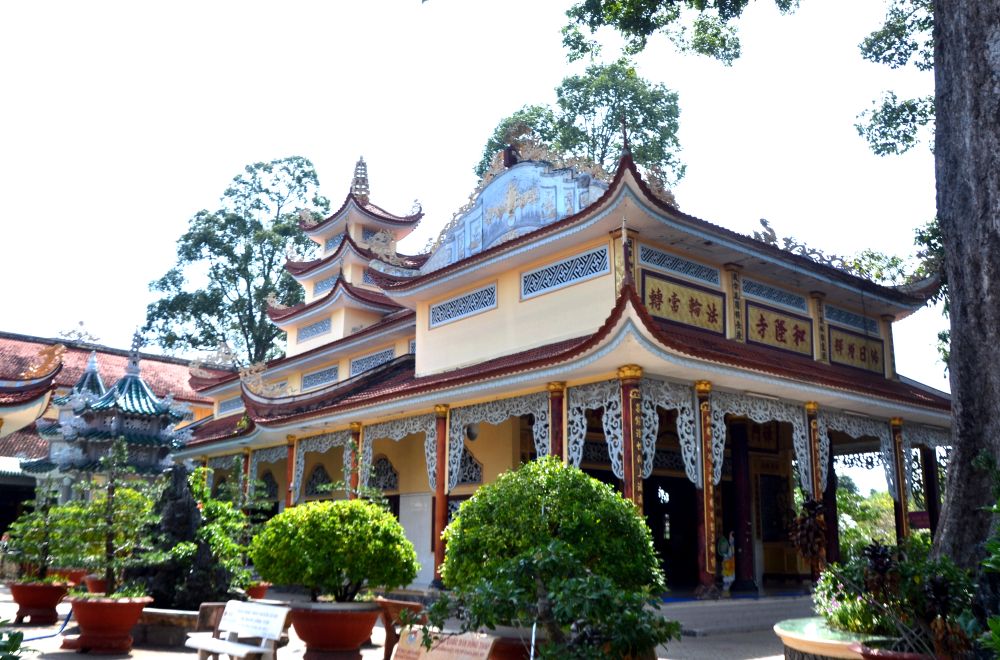
From an ancient pagoda associated with the tomb of a saint, Hoa Long Pagoda has become a symbol of the connection between the past and the present. This place not only preserves memories of a person, but also reflects the deep affection of the people of Dong Thap towards Mr. Pho Bang Nguyen Sinh Sac - a person who dedicated his whole life to the people and the country.
In the Red Lotus Land, Hoa Long Pagoda is still quietly present as a silent witness, reminding everyone of history, gratitude and sustainable values over time.


