
Hoa Lo prison was built by the French colonialists in 1896 with a system of separate detention areas.
Here, the banyan tree became a close friend, attached to the lives of many generations of political prisoners during the years they were imprisoned by the French colonialists at Hoa Lo prison.
During the time they were allowed to go out, the yard under the banyan tree became a meeting place for political prisoners.
Under the wide canopy, amidst the rare breezes that bring a cool feeling, they take the opportunity to chat, share their thoughts and discuss measures to fight against the harsh regime of colonial prisons.
The banyan tree root not only witnesses the daily life of prisoners but also preserves stories about the ideals, feelings and aspirations for freedom of revolutionary soldiers.
In particular, the banyan tree root was once used as a place for political prisoners to hide and exchange information and revolutionary propaganda materials. In the strictly controlled space of the prison, the banyan tree became part of prisoners' secret communication activities.
Not only carrying spiritual value, the banyan tree also has practical significance for the lives of prisoners in difficult conditions.
Barringtonia acutangula bark and young leaves are used to treat diseases. Barringtonia acutangula leaves can be chewed, swallowed or boiled to drink; when crushed and heated, leaves are used for compressing and applying to painful locations.
According to documents introduced at the relic, young almond bark and leaves were also used by prisoners to treat dysentery and clean wounds.
The harshness of life in prison also makes prisoners have to take advantage of everything they can. Barringtonia acutangula branches are made into many familiar items for daily life such as pens holders, cigarette pipes, and rice chopsticks.
According to the introduction board at Hoa Lo Prison Relic, from Indian almond branches, prisoners can also make pipe handles, flute sets and musical instruments.
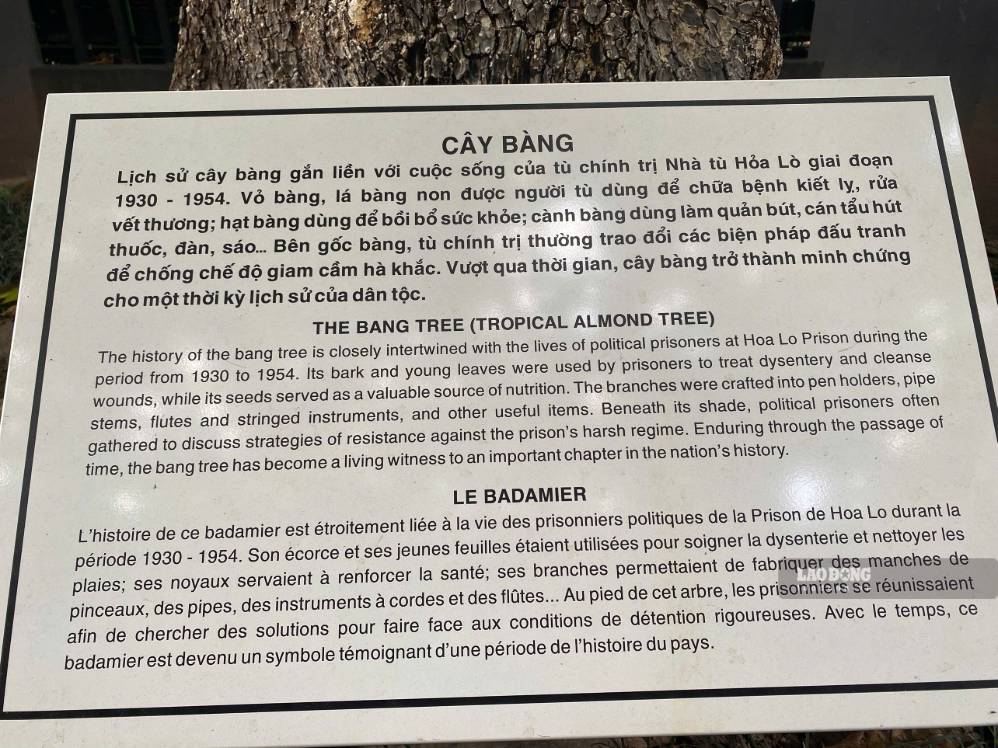
A simple plant, therefore, has become a special source of raw materials, helping prisoners maintain their lives and seek spiritual values in prison.
Over the decades, the banyan tree at Hoa Lo Prison is no longer simply a part of the relic landscape. Each tree trunk and tree root is associated with stories about the life, will and fighting spirit of generations of political prisoners.
From shelters, meetings, information exchanges to sources of food, medicine and materials for making utensils, Indian almond trees have accompanied prisoners in the most harsh years.
Overcoming the harshness of time, the banyan tree today has become a living witness to history.
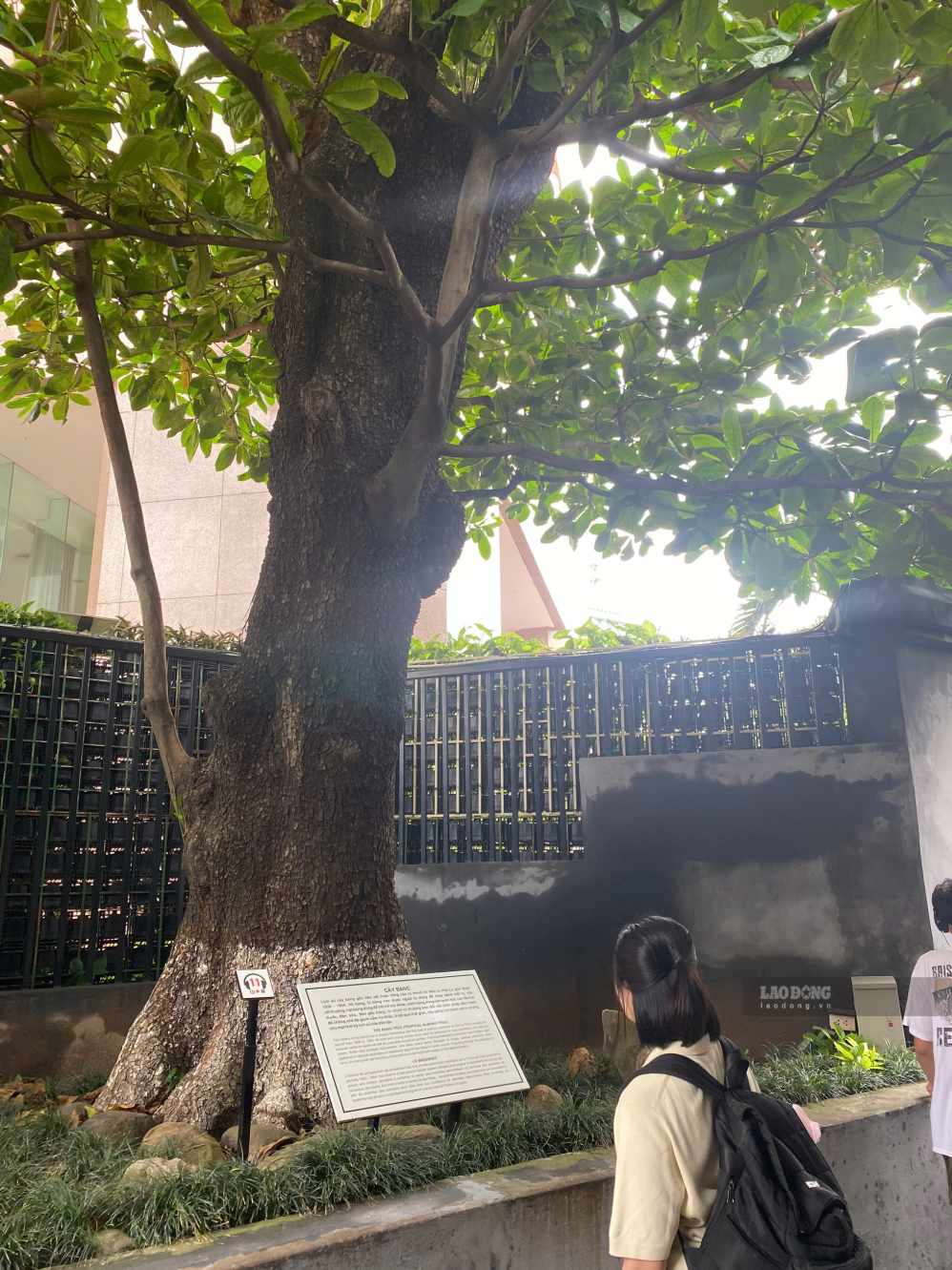
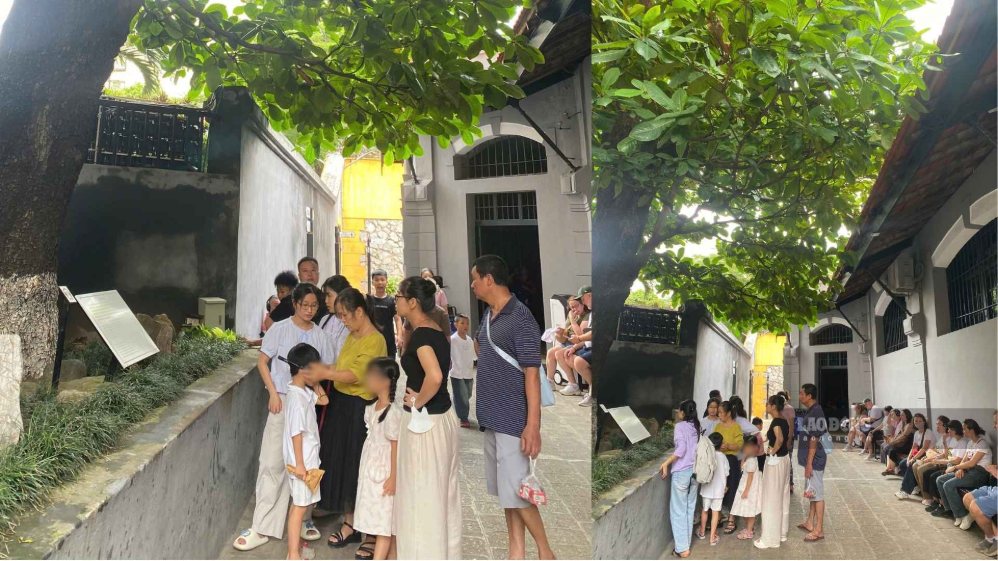
Standing under the canopy of the Hoa Lo Prison Relic, visitors can not only see a familiar tree of Hanoi streets, but also imagine a part of the memories of people who lived, fought and maintained faith in prison.
According to information from the Hoa Lo Prison Relic Management Board, the banyan tree currently in the relic site is still the original banyan tree accompanying revolutionary soldiers and political prisoners in the 1930s.


